You rely on your harness clips to keep you safe and secure during every marine adventure. But saltwater, sand, and sun can quickly wear them down if you don’t clean and maintain them properly.
If you want your gear to last longer and work flawlessly every time, knowing how to care for your harness clips is a must. You’ll discover simple, effective steps to clean and maintain your clips after every trip. Keep reading to protect your investment and ensure your safety on the water.
Choosing The Right Cleaning Supplies
Choosing safe detergentsis key for cleaning harness clips. Use mild soapsor marine-specific cleanersthat do not harm metal or plastic parts. Avoid harsh chemicals that can cause corrosionor wear. Salt and dirtbuild-up must be removed gently to keep clips working well.
For detailed cleaning, gather tools like a soft brushor an old toothbrush. These reach small crevicesand help remove stuck debris. A clothor sponge is good for wiping the clips after brushing. Use a bucket of fresh waterfor rinsing dirt off completely.

Credit: www.amazon.com
Step-by-step Cleaning Process
Rinse harness clips thoroughly with fresh water to remove salt and dirt. Use a gentle stream to avoid damage. Salt can cause rust quickly. Make sure to clean all small parts and crevices.
Soak clips in warm, soapy water for 10 to 15 minutes. Use a soft brush to scrub off stubborn grime carefully. Avoid using harsh chemicals that might weaken the metal or plastic. Rinse again after scrubbing to remove soap residues.
Dry clips completely with a soft cloth. Air drying works well but can take longer. Prevent moisture build-up to stop corrosion. Store clips in a dry place away from direct sunlight. Regular drying keeps clips working smoothly for longer.
Inspecting Harness Clips For Damage
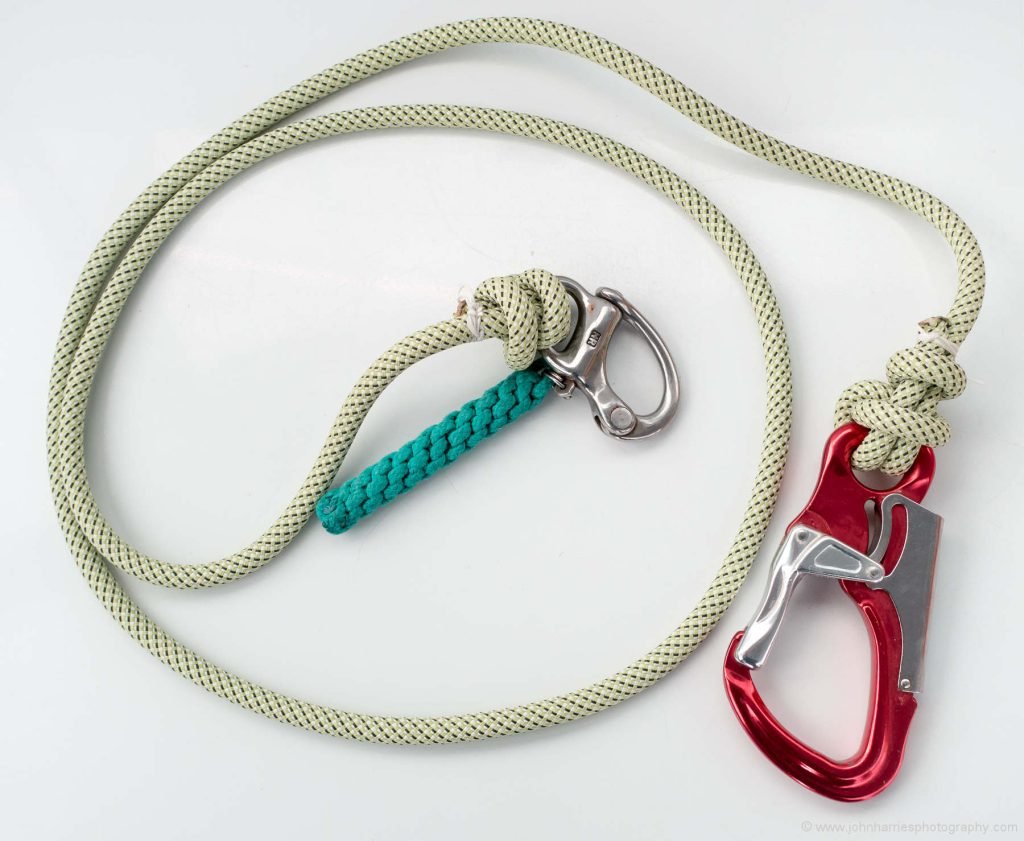
Check harness clips carefully for any cracks, rust, or bent parts. These signs can weaken the clip and make it unsafe. Pay close attention to the spring mechanism. If it feels stiff or does not snap back properly, the clip might fail during use.
Look for worn edges or rough spots. These areas can cause rope damage or slip risks. Also, watch for discoloration from salt or sun exposure. This may signal metal fatigue.
- Test clip by opening and closing it several times.
- Ensure the clip locks firmly without sticking.
- Check if the clip holds weight without bending.
- Listen for unusual sounds like grinding or clicking.
Function testing helps find hidden problems early. Replace clips that do not perform well. Safety is the top priority in marine environments.

Credit: www.amazon.com
Lubrication And Protective Coatings
Marine-safe lubricantshelp protect harness clips from saltwater damage. Choose lubricants that resist corrosion and rust. These lubricants also prevent clips from sticking or jamming. Avoid oils that attract dirt or grime.
Applying protective spraysadds a thin, water-repellent layer. This helps keep clips dry and clean. Spray evenly on all metal parts. Let the clips dry before storing or using them again.
- Use lubricants made for marine or outdoor use.
- Apply sprays in a well-ventilated area.
- Wipe off excess lubricant to avoid buildup.
- Reapply regularly after exposure to water.
Storage Tips For Longevity
Store harness clips in a cool, dry placeaway from sunlight. Heat and moisture can damage metal partsand cause rust. Use a sealed container or a plastic bag to keep out dust and dirt. Avoid storing clips near chemicals or saltwater residues.
Hang clips on hooks or keep them flat to prevent bending. Do not pile heavy items on top of them. Keep clips away from sharp objects that can scratch or weaken the metal.
- Keep clips dry before storage to stop rust.
- Do not store in direct sunlight or damp areas.
- Avoid mixing clips with tools or heavy gear.
- Check clips regularly for signs of damage or corrosion.

Credit: www.facebook.com
Regular Maintenance Schedule
Cleaning harness clips after marine use is key to keep them working well. Rinse clips with fresh water after every trip. This removes salt and dirt that can cause rust. Dry clips fully before storing. Check clips for cracks or damage every time you use them.
Follow this simple routine for best care:
- Rinse clips with fresh water after each use.
- Dry clips completely to stop rust.
- Inspect clips for wear or damage weekly.
- Lubricate moving parts monthly with light oil.
Keep a log to track cleaning and inspections. Note dates and any issues found. This helps spot problems early and keeps clips safe for use.
Frequently Asked Questions
How Do I Clean Harness Clips After Saltwater Exposure?
Rinse harness clips with fresh water immediately after marine use. Use a soft brush to remove salt and debris. Dry thoroughly to prevent corrosion and maintain functionality.
What Maintenance Prevents Rust On Marine Harness Clips?
Apply a light coating of marine-grade lubricant after cleaning. Regularly inspect clips for rust or damage. Store clips in a dry place to extend their lifespan.
Can I Use Household Cleaners On Harness Clips?
Avoid harsh chemicals as they can damage metal and coatings. Use mild soap and fresh water for cleaning. Marine-specific cleaning products are best for safe maintenance.
How Often Should Harness Clips Be Inspected?
Inspect harness clips before and after each marine use. Look for signs of wear, corrosion, or damage. Early detection ensures safety and prolongs clip life.
Conclusion
Regular care keeps harness clips in top condition. Clean them after each marine trip. Use fresh water to wash away salt. Dry clips thoroughly to prevent rust. Inspect for damage or wear. Replace any broken parts promptly. Store clips in a dry place.
This prevents corrosion and extends their life. Simple steps make a big difference. Proper maintenance ensures safety and reliability. Enjoy your marine adventures with peace of mind. Well-maintained gear means fewer worries. Protect your investment and stay safe. Happy sailing!