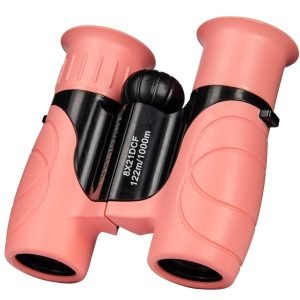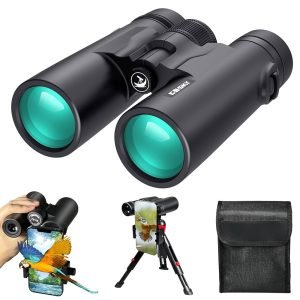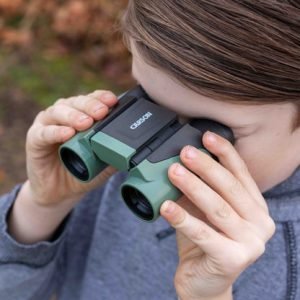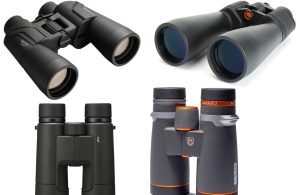
If you use binocular rain guards, you know how frustrating it is to find mold growing on them. Mold not only ruins your gear but can also affect your clear view when you need it most.
You want to keep your binoculars in perfect shape, ready for every adventure. You’ll discover simple, effective ways to stop mold before it starts. By following these easy steps, you’ll protect your equipment and enjoy sharp, clear vision every time you head outdoors.
Keep reading to learn how to keep your binocular rain guards mold-free and working like new.
Credit: www.canadiantire.ca
Causes Of Mold On Rain Guards
Moistureand humiditycreate perfect spots for mold growth. Rain guards often trap water after rain or dew. If air cannot dry them quickly, mold forms. High humidity in storage areas also helps mold spread fast.
Some materialsused in rain guards, like rubber or foam, hold water longer. These materials stay wet and make mold grow easily. Plastic and metal rain guards dry faster and resist mold better.
| Environmental Condition | Effect on Mold Growth |
|---|---|
| Warm temperatures | Speed up mold growth |
| Poor air circulation | Trap moisture, aid mold |
| Shaded or dark places | Keep moisture longer |
| Outdoor storage | Expose rain guards to rain and humidity |
Choosing Mold-resistant Materials
Mold-resistant coatingshelp protect binocular rain guards from moisture. These coatings create a barrier that stops water and mold growth. Common types include silicone, rubber, and polymer coatings. Each type has unique benefits for durability and flexibility.
Silicone and rubber guards offer excellent protectionagainst mold. Silicone is waterproof and flexible, making it easy to fit. Rubber guards are tough and resist wear and tear. Both types reduce mold risks by keeping moisture away from binocular surfaces.
- Clean guards regularly with mild soap and water.
- Dry guards completely before storing them.
- Store in a cool, dry place to prevent mold growth.
- Check for cracks or damage and replace if needed.
Proper Cleaning Techniques
Use mild soapmixed with warm water for cleaning. Avoid harsh chemicals that can damage the rain guard. A soft cloth or sponge works best to gently wipe the surface. Rinse with clean water to remove soap residue. Dry completely with a soft towel to stop mold growth.
Follow this cleaning routine for best results:
- Mix mild soap with warm water.
- Dip a soft cloth or sponge in the solution.
- Gently wipe the binocular rain guard.
- Rinse with clean water.
- Dry fully with a soft towel.
Clean the rain guard after every usein wet or humid conditions. If stored for long periods, clean it every few weeks. Regular cleaning keeps mold away and extends the life of your binocular rain guard.

Credit: www.canadiantire.ca
Storage Best Practices
Store binocular rain guards in dry placesto stop mold. Moisture causes mold to grow fast. Keep them away from wet spots like basements or bathrooms.
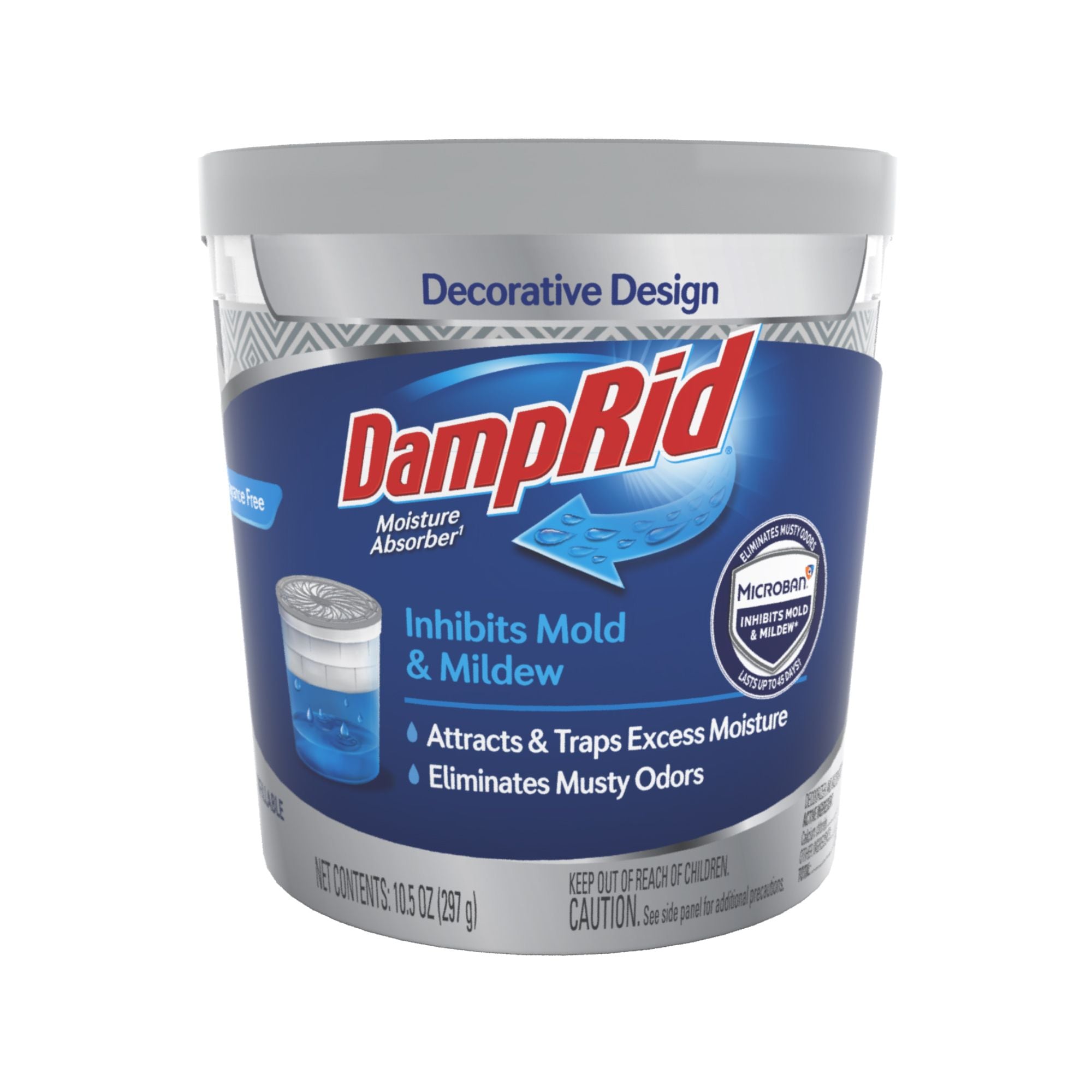
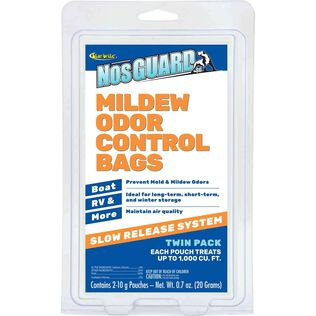
Use desiccantslike silica gel packs inside storage boxes. They absorb water and keep the air dry. Replace them often for best results.
- Choose a shelf or drawer with good air flow.
- Keep rain guards out of direct sunlight to avoid damage.
- Check storage areas regularly for any dampness.
Regular Inspection And Maintenance
Check binocular rain guards often for any early mold signs. Look for small dark spotsor fuzzy patcheson the surface. Early detection helps stop mold before it spreads.
Replace guards regularly to keep them fresh and mold-free. Old guards can hold moisture and invite mold growth. Follow the manufacturer’s advice on how often to change them.
| Task | Frequency |
|---|---|
| Inspect guards for mold | Weekly |
| Clean guards with mild soap | Monthly |
| Replace old or damaged guards | Every 6-12 months |
| Store binoculars in dry place | Always |
Additional Tips To Reduce Mold Risk
Good ventilationhelps keep binocular rain guards dry. Airflow stops moisture from staying too long. Store binoculars in a place with fresh air. Avoid tight, closed spaces that trap dampness.
- Use protective coversto shield binoculars from rain and dust.
- Covers made from water-resistant materialwork best.
- Remove covers when storing binoculars indoors to let them breathe.
Do not leave binoculars outside in the rain for a long time. Prolonged wetness can cause mold growth. Dry binoculars quickly if they get wet. Wipe them with a soft cloth and air dry in shade.
Credit: www.westmarine.com
Frequently Asked Questions
How Do Binocular Rain Guards Cause Mold Growth?
Binocular rain guards can trap moisture, creating a damp environment. This dampness encourages mold spores to grow on and inside the guards, especially after rain or heavy dew. Proper drying and cleaning reduce mold risk significantly.
What Are The Best Materials For Mold-resistant Rain Guards?
Silicone and rubber rain guards resist mold better due to their water-repellent properties. These materials dry quickly and inhibit mold growth. Choosing guards made from such materials helps keep your binoculars mold-free.
How Often Should I Clean Binocular Rain Guards?
Clean your binocular rain guards after every use in wet or humid conditions. Regular cleaning removes dirt, moisture, and spores that promote mold growth. Use a soft cloth and mild soap for best results.
Can Improper Storage Increase Mold On Rain Guards?
Yes, storing binoculars with rain guards in damp, unventilated places promotes mold. Always dry your binoculars and guards thoroughly before storing them in a cool, dry, and well-ventilated area to prevent mold.
Conclusion
Keeping binocular rain guards mold-free is simple and essential. Regular cleaning helps. Dry them thoroughly after use. Store in a cool, dry place. Avoid damp environments. Use desiccants to absorb moisture. Check them frequently for mold signs. Early detection prevents damage.
Proper care extends their lifespan. Clean with mild solutions. Avoid harsh chemicals. They can harm the material. Follow these steps to protect your investment. Enjoy clear views with well-maintained gear. Mold-free rain guards ensure longevity. Give your binoculars the care they deserve.
Stay vigilant and proactive in maintenance. Keep your outdoor adventures worry-free.