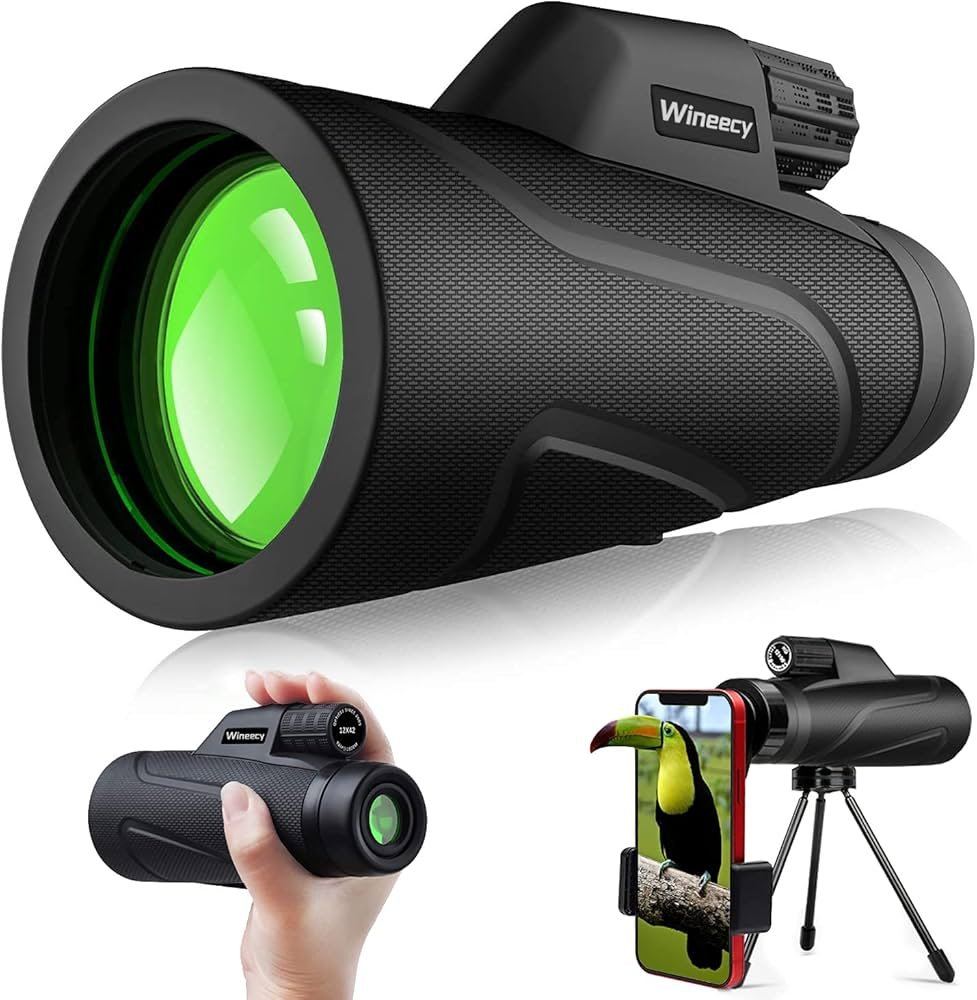
Have you ever been out in nature, ready to get a clear view through your waterproof monocular, only to find the lens fogged up? It’s frustrating, isn’t it?
Fogging not only blocks your sight but can ruin your whole experience. But what if you could stop that from happening? You’ll discover simple, effective ways to keep your monocular crystal clear, no matter the weather or conditions. Keep reading, and you’ll never miss a perfect view again.

Credit: www.amazon.com
Causes Of Fogging In Monoculars
Humidityand temperature changescause fogging in waterproof monoculars. When warm air meets a cold lens, moisture forms tiny water droplets. These droplets create a foggy layer that blocks clear vision.
Internal condensationhappens inside the monocular. This occurs if the seal is broken or if moisture enters during use. Water vapor gets trapped inside, causing fog to build up on internal glass surfaces.
- Warm air holds more moisture than cold air.
- Rapid temperature shifts increase fog risk.
- Sealed monoculars prevent most moisture entry.
- Broken seals let water vapor inside.

Credit: www.instagram.com
Selecting Anti-fog Monoculars
Anti-fog coatingshelp keep lenses clear in wet or cold places. These coatings reduce the chance of moisture building up on the glass. Monoculars with waterproof and fog-proof featuresoften use sealed bodies filled with dry gas like nitrogen or argon. This stops water vapor from entering inside.
Look for features like:
- Multi-layer lens coatingsto reduce glare and fog
- O-ring sealsthat keep water and dust out
- Fog-proof nitrogen or argon gasfilling inside the body
- Durable, weather-resistant materialsfor outdoor use
| Benefit | Explanation |
|---|---|
| Clear View | Stops fog from blocking your sight |
| Longer Use | Works well in rain, snow, and cold |
| Better Durability | Resists damage from water and dust |
| Easy Maintenance | Less cleaning needed due to coating |
Proper Usage Techniques
Keep your waterproof monocular dry before use. Moisture inside causes fogging. Store it in a cool, dry place away from sunlight. Wipe the lens gently with a soft cloth to remove dust and dirt. Avoid touching the lens with fingers to prevent smudges.
Before using, let the monocular adjust to the outdoor temperature. Sudden temperature changes cause fog inside the lens. Hold it in your hands for a few minutes to warm it up slowly.
| Storage Practice | Reason |
|---|---|
| Use a sealed case | Keeps out moisture and dust |
| Store with silica gel packets | Absorbs moisture inside the case |
| Keep away from humid places | Reduces chances of internal fogging |
Maintenance And Care
Keep the lenses clean using a soft, lint-free cloth. Avoid rough materials that can scratch the glass. Use a gentle lens cleaner or warm water to remove dirt and smudges. Dry the monocular completely before storing it to stop moisture buildup.
Check the seals and body for cracks or damage regularly. Damaged seals let moisture inside, causing fogging. Tighten loose parts to prevent water entry. Store your monocular in a dry, cool place when not in use.
Diy Anti-fog Solutions
Homemade anti-fog spraysare simple to make and work well. Mix a small amount of dish soap with water. Use a spray bottle to apply it lightly on the monocular lens. Let it air dry before use. This creates a thin film that stops fog from forming. Another option is using a mix of water and vinegar in equal parts. Spray it and wipe gently with a soft cloth. These solutions are cheap and easy to prepare at home.
Using desiccantshelps keep moisture away inside the monocular. Silica gel packets are common desiccants you can place inside the storage case. They absorb water and prevent fogging during storage. You can also use rice or dry chalk as alternatives. Change or dry the desiccants regularly to keep them effective. This simple step can greatly reduce fog buildup in your waterproof monocular.
Professional Services
Professional help is useful when fogging persists after basic care. Experts can open and clean inside the monocular safely. They may replace worn seals or dry out moisture inside. This service keeps your device working well for longer.
Cost-effective steps save money before seeking help. Keep the monocular dry and avoid sudden temperature changes. Store it in a dry case with silica gel packs. Clean lenses with a soft cloth only. These small actions reduce fog risks.
Common Mistakes To Avoid
Ignoring weather conditionsoften leads to fog inside monoculars. Cold air outside and warm air inside create moisture. This moisture forms fog on the lenses. Checking the weather helps prepare and protect the device.
Neglecting routine maintenancecauses dirt and moisture buildup. Regular cleaning removes dust and oils from the lenses. Wiping with a soft cloth prevents scratches. Storing the monocular in a dry place keeps it safe from moisture damage.

Credit: www.instagram.com
Frequently Asked Questions
How Can I Prevent Fogging In Waterproof Monoculars?
To prevent fogging, keep your monocular dry and store it in a cool, ventilated area. Use anti-fog sprays or wipes before use. Avoid sudden temperature changes and let your monocular acclimate to outdoor conditions gradually.
Why Does Fogging Occur Inside Waterproof Monoculars?
Fogging happens due to moisture trapped inside the monocular or rapid temperature changes. Even waterproof models can fog if seals are damaged or if condensation forms inside during use or storage.
Are Anti-fog Coatings Effective For Monocular Lenses?
Yes, anti-fog coatings reduce moisture buildup on lenses. They help maintain clear vision by preventing condensation. However, coatings can wear off, so reapply anti-fog treatments regularly for best results.
How Does Temperature Affect Monocular Fogging?
Rapid temperature shifts cause internal condensation, leading to fogging. Keeping the monocular at a stable temperature before use minimizes this risk. Slowly acclimate your device when moving between different environments.
Conclusion
Preventing fog in waterproof monoculars keeps your view clear and sharp. Use proper storage and avoid sudden temperature changes. Keep lenses clean and dry before use. Ventilate the monocular after use to reduce moisture build-up. Regularly check seals to maintain waterproof protection.
Small steps can make a big difference in your outdoor experience. Clear vision helps you enjoy nature better. Stay prepared and protect your gear for long-lasting use.