Carrying your rangefinder monoculars comfortably can make all the difference during your outdoor adventures. If you’ve ever struggled with awkward straps or bulky cases, you know how distracting that can be.
Imagine having your gear right where you need it—easy to reach, secure, and pain-free to carry. You’ll discover simple, practical tips to keep your rangefinder monoculars handy and comfortable, so you can focus on what really matters: enjoying the moment and getting accurate readings every time.
Keep reading to learn how to carry your gear effortlessly, no matter where your next adventure takes you.

Credit: gogogosport.com
Choosing The Right Rangefinder Monocular
Choosing a lightweight rangefinder monocularmakes carrying easier. Weight affects comfort during long use. A heavy device may tire your arm quickly. Look for models under 10 ounces for better portability.
Size matters as well. Compact devices fit easily in pockets or small bags. Large models can be bulky and hard to carry. Consider how you plan to use the monocular. For hiking or hunting, smaller is best.
| Factor | Ideal Feature | Reason |
|---|---|---|
| Weight | Less than 10 ounces | Reduces arm fatigue |
| Size | Compact and slim | Easy to carry in pockets |
| Portability | Includes carrying case or strap | Keeps device secure and accessible |
Comfortable Carrying Methods
Using a neck strapis one of the easiest ways to carry rangefinder monoculars. It keeps the device close and ready to use. The strap should be made from soft, durable material to avoid irritation. Adjust the length so the monocular hangs comfortably around the chest. This method frees your hands while keeping the monocular safe and accessible.
Harness options provide extra support and comfort, especially for long trips. They distribute the weight evenly across your shoulders. Look for harnesses with padded straps for less strain. Some harnesses include pockets or clips to hold accessories. These are great for active users who move a lot.
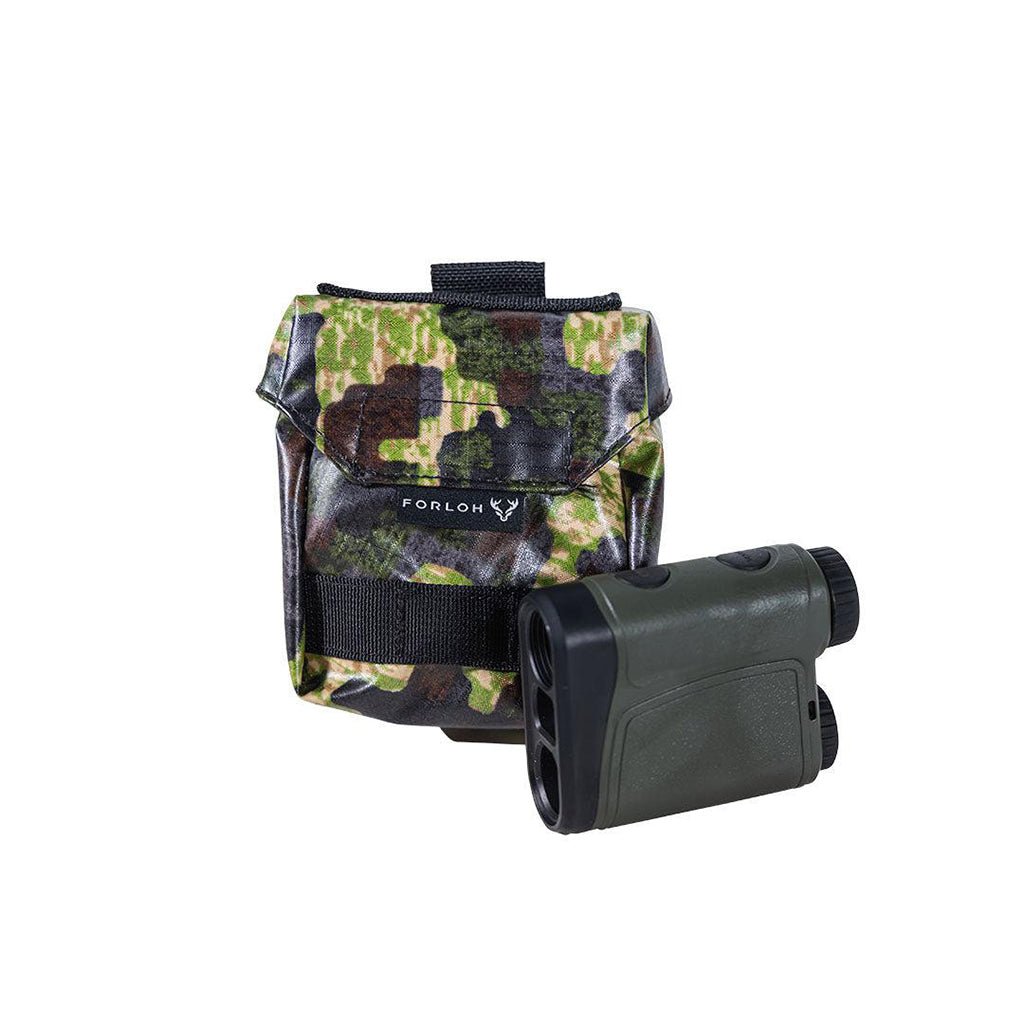
Belt and pocket carry methods offer convenience for quick access. Use a sturdy belt pouch designed for monoculars. Make sure the pouch fits snugly to prevent bouncing. Deep pockets with secure closures also work well. This style is best for short walks or easy terrain.
Protective Gear And Cases
Rangefinder monoculars need proper protection to stay safe and last long. Cases come in many types to fit different needs and styles.
- Hard casesprotect from drops and bumps. They are sturdy but may be heavier.
- Soft casesare light and easy to carry. They offer basic protection against scratches.
- Belt poucheskeep the monocular handy. Great for quick access during hikes or hunts.
- Neck strapsallow easy carrying without hands. Good for moving around a lot.
Weatherproof casesare designed to keep out water, dust, and dirt. They are perfect for wet or dusty conditions.
| Case Type | Protection Level | Weight | Best Use |
|---|---|---|---|
| Hard Case | High | Heavy | Rough outdoor activities |
| Soft Case | Medium | Light | Everyday carry |
| Belt Pouch | Medium | Light | Quick access |
| Weatherproof Case | High | Medium | Rain and dust protection |
Adjusting For Maximum Comfort
Adjust the strap lengthto fit your body well. Too tight straps can cause discomfort and restrict movement. Too loose straps make the monocular swing and feel unstable. Aim for a snug but comfortable fit.
Balance the weight distributionto avoid strain. Use both shoulders if possible, or switch sides often. This helps prevent tiredness and muscle pain.
- Check strap clips for easy adjustment
- Use padding on straps for extra comfort
- Keep the monocular close to your body to reduce swing
Maintenance And Care
Cleaning rangefinder monocularsrequires gentle care. Use a soft microfiber cloth to wipe lenses. Avoid using rough fabrics or paper towels that can scratch. For stubborn dirt, slightly dampen the cloth with water or lens cleaner made for optics. Never spray liquid directly on the lenses.
Keep the monoculars dry. Moisture can damage internal parts. After cleaning, store them in a dry place. Always cover lenses with the protective caps to avoid dust buildup.
- Store in a padded case to protect from bumps.
- Keep away from extreme heat or cold to avoid damage.
- Use silica gel packs inside the case to absorb moisture.
- Do not leave monoculars in direct sunlight for long periods.
Credit: backwoodspursuit.com
Travel Tips With Rangefinder Monoculars
Pack rangefinder monoculars in a soft, padded case to prevent scratches.
Use a small travel bag with compartments for quick access.
Keep the monocular close to your body to avoid dropping it.
- Choose lightweight straps for comfortable carrying around your neck.
- Use a belt clip or carabiner to attach it to your bag.
- Wrap the monocular in a microfiber cloth for extra protection.
Security checks require easy removal of the monocular from bags.
Always keep the device in a visible, accessible spot during travel.
Label your case with your contact information in case it gets lost.

Credit: www.walmart.com
Frequently Asked Questions
How Do I Carry Rangefinder Monoculars Hands-free?
Use a neck strap or harness designed for rangefinder monoculars. This keeps your device secure and accessible without occupying your hands.
What Is The Best Way To Protect Monoculars While Carrying?
Store your monoculars in a padded case or pouch. This protects them from scratches and impact during transport.
Can I Carry Rangefinder Monoculars In A Backpack Comfortably?
Yes, place them in a dedicated compartment or padded sleeve inside your backpack. This prevents damage and makes carrying easier.
How To Avoid Neck Strain When Carrying Monoculars?
Choose an adjustable, padded neck strap that distributes weight evenly. Take breaks to relieve pressure during extended use.
Conclusion
Carrying rangefinder monoculars does not have to be hard or uncomfortable. Choose a good strap or case that fits well and feels soft on your skin. Keep your hands free by using a harness or belt clip. Adjust the strap length to avoid strain on your neck or shoulders.
Protect your device from bumps and scratches with a padded cover. These small steps help you carry your rangefinder easily during any outdoor activity. Comfort matters. Enjoy your time outside without distraction or pain.