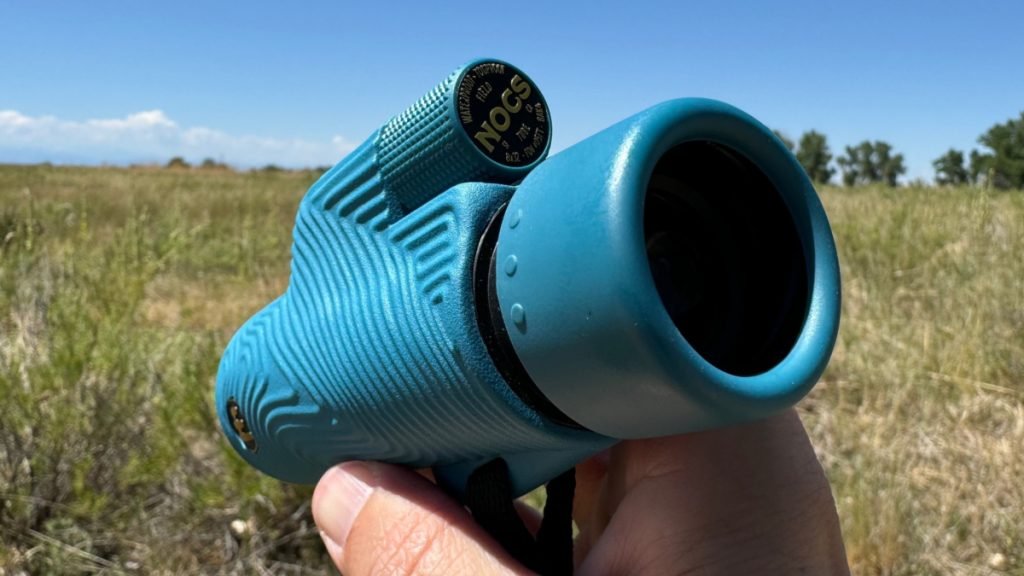
Have you ever been hiking and spotted something amazing in the distance, only to struggle with your monocular’s focus? It’s frustrating when you want a clear, sharp view right away but end up wasting precious time fiddling with the lens.
What if you could learn a simple trick to focus your monocular quickly every time? This guide will show you exactly how to adjust your monocular fast and easily on hiking trails, so you never miss a moment. Keep reading to discover tips that will make your outdoor adventures clearer and more enjoyable.
Choosing The Right Monocular
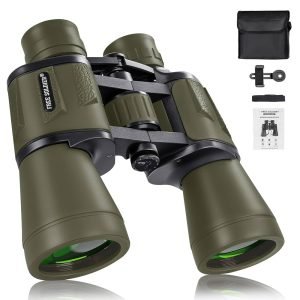
Choosing a monocular for hiking means thinking about size and weight. A small, light monocular is easier to carry and use. Heavy devices make hiking harder and slow you down.
Lens quality is key. Clear, sharp images help you see details on trails. Look for lenses with good coatings to reduce glare and improve brightness.
| Feature | Why it Matters |
|---|---|
| Size | Small and compact for easy carrying |
| Weight | Lightweight to avoid fatigue during long hikes |
| Lens Quality | Sharp, clear views with anti-glare coating |
| Magnification | Enough zoom to see far without shaking |

Credit: www.amazon.co.uk
Understanding Focus Mechanisms
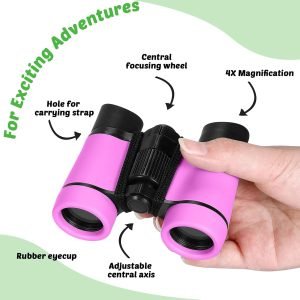
The single focus wheeladjusts both eyepieces at once. Turn it slowly to bring objects into clear view. This system is simple and quick to use.
The dual focus systemhas two separate controls. One wheel adjusts the main focus, while the other fine-tunes the image. This helps get a sharper view, especially for different distances.
| Focus Mechanism | How It Works | Best For |
|---|---|---|
| Single Focus Wheel | One wheel adjusts both eyepieces at once | Quick and easy focusing on trails |
| Dual Focus System | Two wheels; main and fine adjustment | Sharper focus for varying distances |
Setting Up Your Monocular
Adjusting eye reliefmeans setting the monocular for your comfort. Eye relief is the distance between your eye and the lens. This helps you see a clear, full image without strain.
To find the right eye relief:
- Hold the monocular at a normal viewing position.
- Move it closer or farther until the entire view appears.
- Keep your eye relaxed and avoid pressing too hard.
Aligning the monocular with your vision ensures sharp focus. Your dominant eye should look through the lens straight on. Tilt or rotate the monocular slightly if the image is blurry or not centered.
Remember, small adjustments can make a big difference in clarity. Practice this on the trail for quick, easy focus.
Quick Focusing Techniques
Using both eyes helps find the right focus faster. Keep both eyes open to avoid strain. This lets your brain adjust quickly to the view.
Practice adjusting the focus ring smoothly. Small, quick turns work better than big moves. Learn the feel of your monocular’s focus wheel.
- Start by focusing on something close.
- Then, quickly shift focus to a distant object.
- Repeat this to build speed and accuracy.
Overcoming Common Challenges
Low lightcan make focusing hard. Use the largest lens apertureavailable. This lets in more light. Adjust the diopterto sharpen the image. A steady hand helps too. Find a spot to rest your elbow or use a tripod. This reduces shaking and blurriness.
Hand stability is key on hiking trails. Hold the monocular with both hands. Keep your arms close to your body. This creates a strong support base. Take a deep breath and hold it briefly before focusing. This helps reduce body movement. Use a strap to hang the monocular when not in use. It keeps your hands free and steady.

Credit: www.amazon.ca
Maintaining Your Monocular
Keep your monocular lenses clean for clear views. Use a soft cloth or lens brush to remove dust and dirt. Avoid touching the lenses with fingers to prevent smudges.
Store the monocular in a protective case to keep it safe from rain, dust, and scratches. Use lens caps when not using the device.
- Wipe lenses gently with a microfiber cloth.
- Use lens cleaning solution if necessary.
- Keep the monocular dry and away from direct sunlight when storing.
- Check seals to prevent moisture inside the monocular.
Expert Recommendations
Choosing the right monocular helps to focus quickly on hiking trails. Look for models with fast focusing ringsand clear optics. Compact and lightweight designs make carrying easier.
Models like the Vortex Solo, Bushnell Legend, and Celestron Nature DXoffer good clarity and quick adjustment. These options suit beginners and experienced hikers alike.
| Model | Magnification | Weight | Special Feature |
|---|---|---|---|
| Vortex Solo | 8x | 6.2 oz | Fast focus ring |
| Bushnell Legend | 10x | 7 oz | Waterproof & fog proof |
| Celestron Nature DX | 8x | 6.3 oz | Wide field of view |
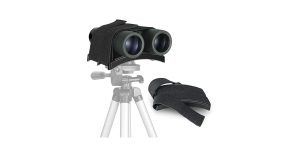
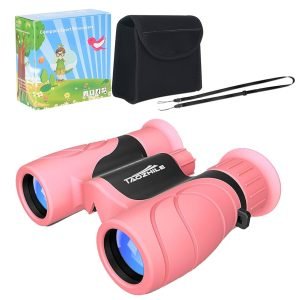
Accessories improve focus speed and comfort. Use a neck strapto keep the monocular ready. A lens cleaning kitkeeps lenses clear. Adding a small tripodstabilizes the view on rough terrain.
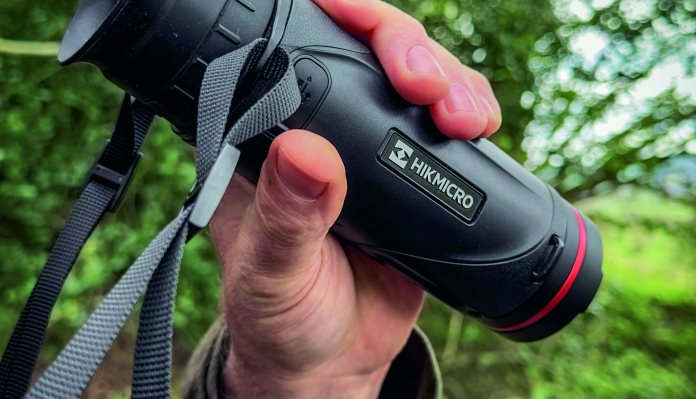
Credit: www.gunmart.net
Frequently Asked Questions
How Do I Quickly Adjust Monocular Focus On Trails?
To quickly focus your monocular, start by looking at a distant object. Rotate the focus ring slowly until the image sharpens. Practice this before your hike to improve speed and accuracy on trails.
What Is The Best Technique For Focusing Monoculars Fast?
Use the “rough then fine” method: first, set the focus roughly on a distant object. Then, make small adjustments for clarity. This saves time and ensures sharp vision during hiking.
Can I Use One Eye For Monocular Focusing?
Yes, using one eye helps maintain balance and stability. Close the other eye, focus with the open eye, and adjust the monocular. This technique improves speed and accuracy on trails.
Why Does My Monocular Focus Change During Hiking?
Temperature changes and movement can affect focus. Monoculars may shift due to vibrations or bumps on trails. Regularly re-adjust the focus to maintain a clear view.
Conclusion
Focusing monoculars on hiking trails is simple with practice. Adjust the focus slowly until the image is sharp. Keep the monocular steady for the best view. Remember to clean the lens before use for clear sight. Use these tips every time you hike.
Enjoy nature’s details up close and clear. Stay patient and take your time. Your hiking experience will improve with better focus.