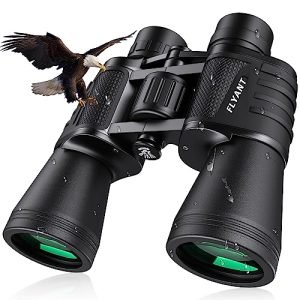
When precision and speed matter most, knowing how to use rangefinder attachments can give you a crucial edge in military operations. Whether you’re aiming to improve target accuracy, enhance reconnaissance, or boost overall mission success, mastering these tools is key.
You’ll discover simple steps and insider tips to make your rangefinder work perfectly for your needs. Ready to sharpen your skills and gain confidence in the field? Keep reading—your next mission depends on it.
Rangefinder Basics
Rangefinders come in many types, each with unique uses. Common types include laser, optical, and radar. Laser rangefinders use light beams to measure distance. Optical rangefinders use lenses and mirrors. Radar rangefinders send radio waves to find targets. Each type suits different military needs and environments.
Key featuresinclude accuracy, range, speed, and durability. Good rangefinders work fast and give precise readings. They must be easy to carry and use in tough conditions. Some have night vision or GPS for extra help. Battery life is also vital for long missions.
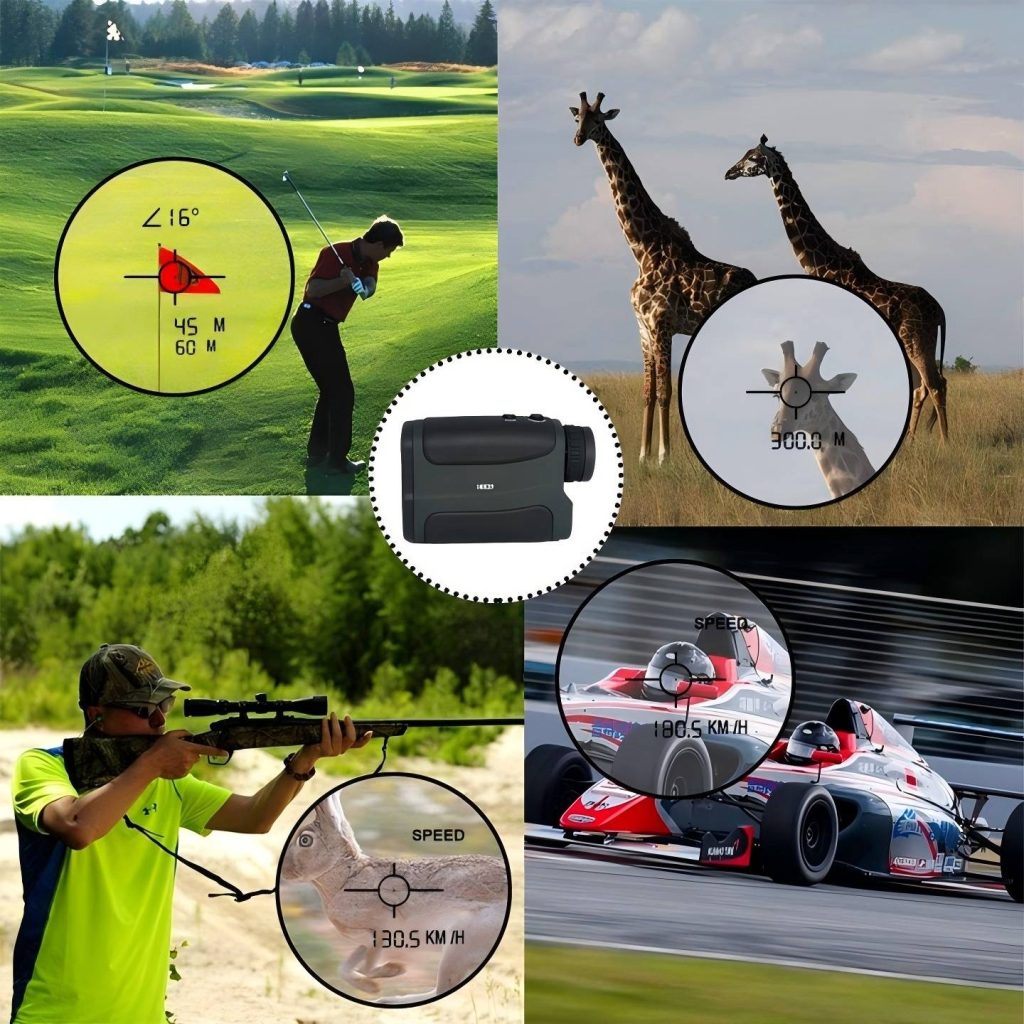
Rangefinders work by sending a signal to a target. The device then measures the time it takes for the signal to return. This time helps calculate the distanceaccurately. The device shows the distance on a screen or viewfinder. Soldiers use this data to aim weapons or find targets safely.
Military Use Cases
Rangefinder attachmentshelp soldiers find targets quickly. They measure the exact distance to objects, which is vital for aiming weapons accurately. This technology supports fast and precise target acquisitionin the field.
Measuring distance is simple and clear with rangefinders. Soldiers use them to get data on how far away an enemy or object is. This helps in planning moves and avoiding danger.
For reconnaissance and surveillance, rangefinders give important information about enemy positions. They allow troops to watch from a safe distance and report back with accurate details. This keeps soldiers safer and improves mission success.
Choosing The Right Attachment
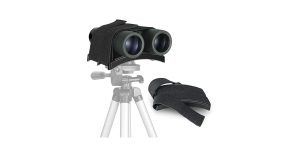
Choosing the right rangefinder attachment depends on several key factors. Compatibility with weaponsis crucial to ensure the device fits securely and works properly. Check the mount type and size before buying.
Environmental durabilitymeans the device must withstand harsh conditions like rain, dust, and extreme temperatures. Look for attachments with weatherproof and shockproof features.
Battery life and power optionsare important for longer missions. Devices with rechargeable batteries or easy battery replacement offer better reliability. Always consider how long the battery lasts in active use.
Credit: www.foreseenoptics.com
Installation Tips
Proper mounting techniquesensure the rangefinder stays steady during use. Use the correct screws and mounts that fit your equipment. Check the alignment carefully to avoid errors in distance measurement. Always secure the attachment tightly, but do not overtighten to prevent damage.
Calibration proceduresare vital for accurate readings. Calibrate the rangefinder after installation and before each mission. Use known distances or calibration targets to check the device’s accuracy. Adjust settings as needed to match the range and environment.
Safety checksmust be done before and after installing the rangefinder attachment. Inspect all parts for wear or damage. Ensure no loose components could fall off or cause injury. Confirm the device does not block other essential equipment or views.
Operational Best Practices
Rangefinder attachments work differently in various terrains. Open fields need long-range settings for clear sight. Forests or rocky areas require careful aiming to avoid obstacles. Hills and mountains affect line of sight and distance measurements.
Weather changes can affect rangefinder accuracy. Rain, fog, and snow reduce visibility and signal strength. Adjust settings based on weather to get the best results. Cold weather can affect battery life, so keep devices warm.
Accuracy depends on regular care and checks. Clean lenses often to avoid dirt or smudges. Check calibration before use, especially after rough handling. Store devices safely to prevent damage and keep them ready for action.

Credit: www.amazon.com
Troubleshooting Common Issues
Signal interferencecan disrupt rangefinder readings. Keep devices away from metal objects and other electronics. Clear line of sight helps reduce interference. Use frequency settings to avoid overlapping signals.
Battery problemsoften cause device failure. Always use fresh batteries and check their charge before missions. Carry spare batteries in a cool, dry place. Replace batteries if the device powers off suddenly.
Calibration errorslead to inaccurate distance measurements. Calibrate the rangefinder regularly using known distance markers. Follow the device manual for correct calibration steps. Recalibrate after dropping or heavy use to keep accuracy.
Training And Skill Development
Effective trainingwith rangefinder attachments helps soldiers learn quickly. They practice using devices to measure distance accurately. This skill is crucial for targeting and navigation.
Simulated exercisescreate safe, realistic environments. Soldiers use rangefinders in mock missions. This builds confidence and sharpens their response to real situations.
Performance evaluationchecks accuracy and speed. Trainers watch how well soldiers read distances and adjust their aim. Feedback helps improve skills step by step.
Future Trends
Advancements in technologymake rangefinders more precise and faster. New sensors help detect targets at greater distances. Lighter and smaller devices improve soldier mobility and ease of use.
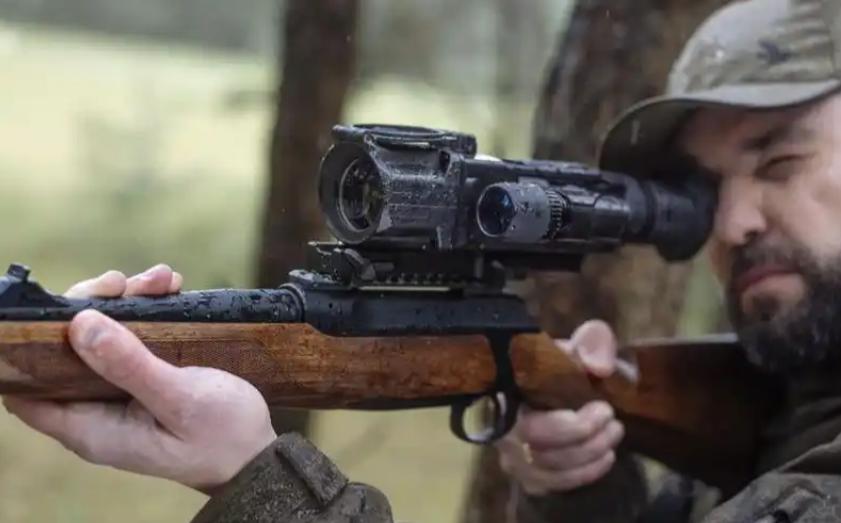
Integration with other systemsallows rangefinders to work with GPS, drones, and night vision gear. This creates a complete view of the battlefield. Soldiers get real-time information to make better decisions quickly.
Enhanced data analyticsprocesses information from rangefinders to spot patterns and risks. This helps commanders plan missions with more accuracy. Data can also improve training by showing where soldiers need more practice.
Credit: www.foreseenoptics.com
Frequently Asked Questions
What Are Rangefinder Attachments In Military Use?
Rangefinder attachments are devices that measure distance accurately. They help soldiers estimate target range quickly. These tools improve precision in navigation, targeting, and surveillance during missions.
How Do Military Rangefinders Improve Targeting Accuracy?
Military rangefinders provide exact distance data to targets. This allows soldiers to adjust aim precisely. Enhanced accuracy reduces ammunition waste and increases mission success rates.
Can Rangefinder Attachments Work In Low Visibility Conditions?
Yes, many rangefinder attachments use laser or infrared technology. These methods enable distance measurement in fog, smoke, or darkness. This capability is crucial for night operations and adverse weather.
Are Rangefinder Attachments Compatible With Other Military Equipment?
Most rangefinders are designed for integration with rifles, binoculars, and drones. This compatibility boosts battlefield efficiency by combining distance data with other tactical tools.
Conclusion
Rangefinder attachments boost military precision and effectiveness. They enhance targeting accuracy, reducing errors. These tools are vital for mission success. Easy to use, they integrate seamlessly with equipment. Soldiers gain confidence in their ability to engage targets. Improved technology ensures better results in varied conditions.
Training is simplified, making it accessible for all. Investing in rangefinder attachments is smart. It ensures that missions proceed with precision. Utilizing these tools is crucial in modern military applications. They offer reliability and increased safety for troops. Consider rangefinders as essential in military operations.
Their importance cannot be overstated.