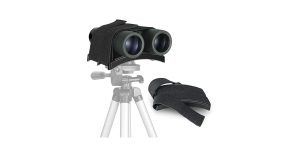
Is your rangefinder attachment showing signs of damage? You don’t have to replace it just yet.
With the right steps, you can fix common issues quickly and save both time and money. Imagine being able to restore your gear so it works like new again—without needing expert help. In this guide, you’ll discover easy, practical ways to repair your damaged rangefinder attachments.
Keep reading, and by the end, you’ll feel confident tackling those repairs yourself.
Common Rangefinder Attachment Issues
Loose or wobbly mountscause unstable rangefinder attachments. Tighten screws or replace worn-out parts to fix this. Use thread-locking glue for extra hold.
Scratched or cracked lensesaffect accuracy and visibility. Clean minor scratches with a lens polishing kit. For cracks, replace the lens to avoid errors.
Faulty power connectionsstop the device from working properly. Check battery contacts for dirt or corrosion. Replace damaged wires and ensure a snug fit.
Calibration problemslead to wrong distance readings. Recalibrate using the device’s instructions. Test the rangefinder on a known distance to confirm accuracy.
Tools Needed For Repairs
Basic hand tools include screwdrivers, pliers, and wrenches. These help remove and tighten small parts easily. A small hammer might be needed for gentle tapping.
Cleaning supplies like microfiber cloths, rubbing alcohol, and compressed airkeep the rangefinder clear of dust and dirt. Clean parts work better and last longer.
Replacement parts such as batteries, lenses, and screwsshould match the original model. Using the right parts ensures proper function and fit.
Calibration devices help adjust the rangefinderto measure distances accurately. Some devices are simple alignment tools or digital calibrators.
Fixing Loose Or Wobbly Attachments
Loose or wobbly rangefinder attachments can cause poor performance. Start by tightening all screws and boltsusing the right screwdriver or wrench. Avoid over-tightening, as it can damage the parts.
Thread lockers help keep screws in place. Apply a small amount on the threads before tightening. This prevents screws from loosening due to vibration.
Worn mounts weaken the attachment’s hold. Replace old or damaged mounts with new ones. Check for cracks or bends that affect stability.
| Action | Details |
|---|---|
| Tightening Screws and Bolts | Use the correct tool; tighten firmly but not too much. |
| Using Thread Lockers | Apply a drop on screw threads to prevent loosening. |
| Replacing Worn Mounts | Inspect mounts for damage; replace if cracked or bent. |

Credit: www.reddit.com
Repairing Scratched Or Cracked Lenses
Cleaning a scratched or cracked lens starts with gentle care. Use a soft, lint-free cloth to wipe dust and dirt away. Avoid using rough materials that can cause more damage.
Lens repair kits often include resin to fill small scratches. Follow the instructions carefully for best results. These kits can improve lens clarity but won’t fix deep cracks.
| When to Replace the Lens | Signs to Look For |
|---|---|
| Deep Cracks | Visible fractures that affect vision |
| Severe Scratches | Scratches that blur or distort images |
| Lens Separation | Layers of lens peeling apart |
| Water Damage | Fogging or moisture trapped inside |
Restoring Power And Connectivity
Check the battery contactsfirst. Dirt or rust can stop power flow. Clean contacts with a soft cloth or small brush. Make sure batteries fit snugly. Loose batteries cause intermittent powerissues.
Look over the wiringinside the attachment. Broken or twisted wires block signals. Use a magnifying glass to spot damage. Reconnect any loose wires carefully. Use electrical tape to cover exposed wires.
| Component | Signs of Damage | Replacement Tips |
|---|---|---|
| Power Switch | Does not click or feels loose | Buy same model switch, solder carefully |
| Fuse | Visible burn marks or broken wire | Use exact fuse rating, avoid overloading |
| Battery Holder | Cracked or bent metal contacts | Replace with original part for good fit |
Recalibrating The Rangefinder
Manual calibration requires patience and careful adjustment. First, find a flat surface and set the rangefinder on it. Use the calibration screws or dials to align the laser with a known distance mark. Turn the screws slowly and observe changes. Small movements can make a big difference. Check the manual for specific calibration points.
Calibration tools like a tripod or a calibration target improve accuracy. A tripod keeps the device steady. Calibration targets offer a fixed point for the laser to measure. These tools reduce errors caused by shaking or wrong angles.
Testing accuracy after calibration is important. Measure several known distances and compare. If readings match actual distances closely, calibration worked well. Repeat tests a few times to be sure. Adjust again if the device shows errors.
Preventive Tips For Longevity
Keep your rangefinder attachments working well by following simple habits. A regular cleaning routinehelps remove dust and dirt that can block lenses and sensors. Use a soft cloth and mild cleaner to wipe surfaces gently. Avoid harsh chemicals that might damage parts.
Proper storage practicesprotect your gear from damage. Store attachments in a dry, cool place away from direct sunlight. Use a padded case or a soft pouch to prevent scratches and bumps.
Handling and transport tipsmatter a lot. Always hold attachments securely and avoid dropping them. When traveling, pack them with soft materials to cushion shocks. Never toss them into bags without protection.

Credit: rangefinderforum.com

Credit: www.facebook.com
Frequently Asked Questions
How Do I Fix A Cracked Rangefinder Lens?
To fix a cracked lens, carefully remove the damaged part. Replace it with a compatible lens from the manufacturer. Use proper tools to avoid further damage. Clean the lens before reassembling to ensure clear vision.
What Tools Are Needed To Repair Rangefinder Attachments?
Essential tools include precision screwdrivers, tweezers, cleaning cloths, and adhesive. You may also need replacement parts specific to your model. Having these tools ensures a safe and effective repair process.
Can I Repair A Misaligned Rangefinder Attachment Myself?
Yes, minor misalignments can be fixed at home. Adjust the screws gently while testing the alignment. Use calibration instructions from the manual for accuracy. If unsure, seek professional help to avoid damage.
How To Clean Rangefinder Attachments Without Damage?
Use a soft microfiber cloth and lens cleaner. Avoid harsh chemicals that can damage coatings. Gently wipe the lens and attachment parts. Regular cleaning improves performance and extends the lifespan.
Conclusion
Fixing damaged rangefinder attachments can be simple. Follow the steps carefully. Use the right tools. Check for loose parts or dirt. Clean them gently. Replace damaged pieces if needed. Test to ensure everything works properly. With practice, repairs become easier.
Regular maintenance prevents future problems. Always handle attachments with care. Keep learning to improve your skills. Repairing rangefinders saves money and time. Enjoy using your device without worry. Happy fixing!