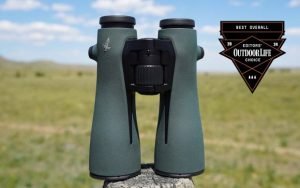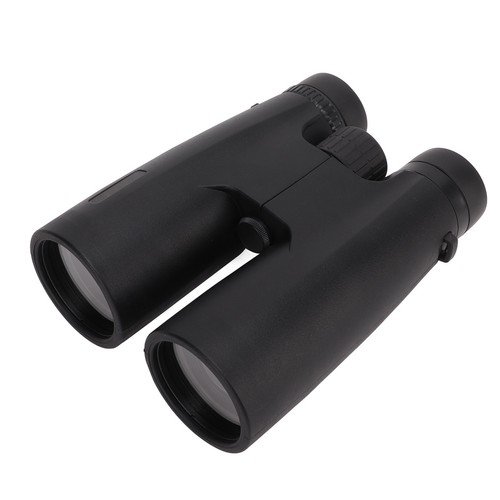
Are you wondering if close-focus binoculars are the right choice for your professional needs? Whether you work in wildlife observation, photography, or any field that demands sharp, detailed views up close, choosing the right binoculars can make all the difference.
Close-focus binoculars promise clearer images of nearby objects, but are they truly up to the task for professionals like you? Keep reading to discover how these specialized tools might change the way you see your work—and why they could be exactly what you’ve been searching for.

Credit: www.amazon.com
Close-focus Binoculars Explained
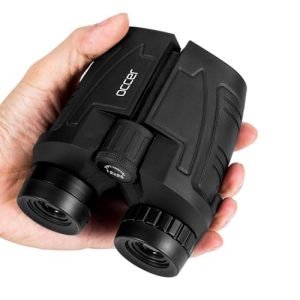
Close-focus binoculars let you see objects very near to you clearly. They are designed to focus on things just a few feet away.
These binoculars help professionals who need to view details at close range, such as bird watchers, nature experts, and certain inspectors.
Key Features
Close-focus binoculars have a shorter minimum focus distance than regular binoculars. This means they can focus on objects as close as 3 to 6 feet.
- Short minimum focus distance
- Clear images of nearby objects
- Good for detailed observation
- Often lightweight and compact
- Wide field of view at close range
How They Differ From Standard Binoculars
| Feature | Close-Focus Binoculars | Standard Binoculars |
| Minimum Focus Distance | 3 to 6 feet | 10 to 20 feet |
| Ideal Use | Viewing close objects | Viewing distant objects |
| Image Detail | Sharp at close range | Less clear nearby |
| Weight | Usually lighter | Varies, often heavier |
Advantages For Professional Use
Close-focus binoculars help professionals see objects clearly at short distances. This feature is useful in many work settings.
These binoculars offer sharp images and easy handling. They support detailed observation in tight spaces.
Enhanced Detail Observation
Close-focus binoculars allow users to view fine details without moving too close. This helps professionals examine objects carefully.
- Inspect small parts in machinery or electronics
- Study fine textures in art or documents
- Monitor wildlife behavior at close range
- Observe plants and insects in field research
- Read labels or markings on equipment
Applications In Various Fields
Many professions benefit from close-focus binoculars. They improve work quality and safety by providing clear views.
| Field | Use | Benefit |
| Healthcare | Examine skin and wounds | Better diagnosis |
| Engineering | Check machine parts | Detect faults early |
| Art Restoration | Inspect paintings | Preserve details |
| Wildlife Research | Observe small animals | Non-intrusive study |
| Education | Show details to students | Enhance learning |
Limitations To Consider
Close-focus binoculars are designed to see objects up close with great detail. They work well for many activities but have some limits.
Professionals need to think about these limits before choosing close-focus binoculars for their work.
Range Constraints
Close-focus binoculars are built for short distances. They cannot focus well on faraway objects.
This makes them less useful for jobs that need viewing long distances, such as surveillance or wildlife tracking.
- Best for distances under 20 feet (6 meters)
- Less effective beyond close range
- Not ideal for wide-area observation
Potential Drawbacks In Certain Scenarios
Some professional tasks require flexibility to see both close and far objects. Close-focus binoculars can limit this ability.
They may also be bulkier or heavier due to special lenses, which can tire users during long use.
- Limited use for mixed-distance viewing
- Heavier models reduce comfort over time
- May not work well in low light or fog
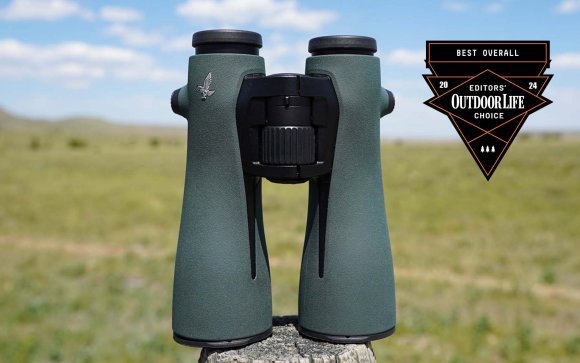
Credit: www.outdoorlife.com
Comparing Models For Professionals
Close-focus binoculars let professionals see details up close. These tools help in fields like birdwatching, inspection, and research. Choosing the right model improves work accuracy and comfort.
Professional models vary in size, lens quality, and focus range. Comparing these features helps pick the best binoculars for your needs. Look for sharp images and easy handling.
Top Brands And Options
Some brands stand out for making close-focus binoculars. They focus on clear images and durability. These brands offer models with different focus distances and lens sizes.
- Nikon: Known for sharp optics and reliable build quality.
- Zeiss: Offers excellent color and contrast for close viewing.
- Swarovski: High-end models with bright images and close focus.
- Celestron: Affordable options with good close-up features.
- Vortex: Durable and good for outdoor professional use.
Price Vs Performance
Price often reflects the quality of optics and build. High-end binoculars give sharper images and better close focus. But some mid-range models offer good value for money.
Consider how often you will use them. Professionals need long-lasting and reliable tools. Sometimes spending more saves money over time by avoiding replacements.
| Price Range | Performance | Best For |
|---|---|---|
| $100 – $300 | Good optics, basic features | Casual use, beginners |
| $300 – $700 | Better image clarity, closer focus | Semi-professionals, frequent users |
| $700 and above | Superior optics, durability, very close focus | Professionals needing top quality |
Tips For Choosing The Right Binoculars
Choosing binoculars can be tricky for professionals. The right pair depends on the specific tasks you perform. This guide helps you pick binoculars that meet your needs.
Focus on features that enhance your work. Close-focus binoculars have special uses. Learn how to assess if they fit your professional demands.
Assessing Professional Needs
Think about what you need binoculars for. Different jobs require different specs. For example, birdwatchers need wide fields of view. Inspectors may want high magnification.
- Identify your work environment (indoors, outdoors, low light)
- Decide on the distance you will observe regularly
- Consider the weight and size for long use
- Check if waterproof or fog-proof features are necessary
- Evaluate your budget and durability needs
Evaluating Close-focus Capabilities
Close-focus binoculars allow viewing objects very near to you. This is useful for professionals needing detailed inspection at short ranges.
| Feature | Benefit for Professionals | Consideration |
| Minimum Close Focus Distance | Allows detailed view of nearby objects | Choose 3-5 meters or less for best use |
| Magnification | Higher magnification shows fine details | Too high can cause shaky images |
| Field of View | Wide view helps locate objects quickly | Close-focus may reduce field width |
| Image Brightness | Clear images in low light | Better lenses cost more |
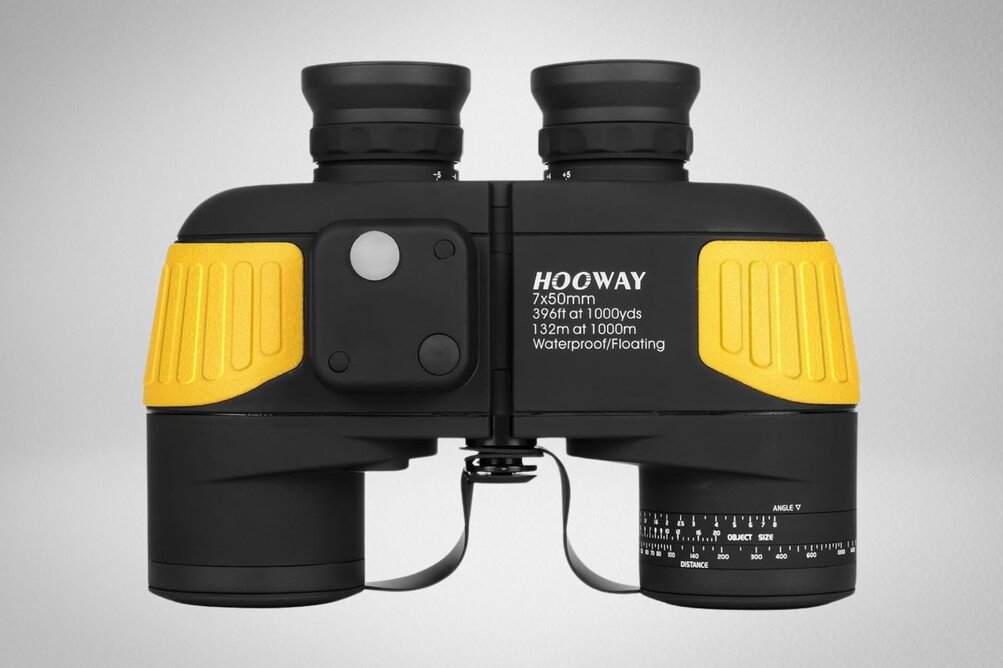
Credit: www.boatsailmag.com
Frequently Asked Questions
What Are Close-focus Binoculars?
Close-focus binoculars allow viewing objects at very short distances. They provide sharp images from just a few feet away, ideal for detailed observation.
Why Do Professionals Prefer Close-focus Binoculars?
Professionals use close-focus binoculars for tasks needing clear, near-field vision. They offer precision for wildlife study, sports, and inspection work.
Are Close-focus Binoculars Suitable For Birdwatching?
Yes, close-focus binoculars help birdwatchers see fine details up close. They enhance the experience by revealing intricate features and behaviors.
How Do Close-focus Binoculars Differ From Regular Ones?
Close-focus binoculars have a shorter minimum focus distance. Regular binoculars focus mainly on distant objects, lacking near-detail clarity.
Conclusion
Close-focus binoculars offer clear views of nearby objects. Professionals find them useful for detailed work and nature observation. These binoculars help spot small details without strain. They suit fields like biology, surveillance, and inspection well. Compact design adds comfort for long use.
Choosing the right model depends on specific needs. In short, close-focus binoculars can be a smart tool for many professionals.