Have you ever wondered how something as simple as a pair of binoculars can make a huge difference in humanitarian aid efforts? When disaster strikes or communities face urgent challenges, clear vision can be the key to saving lives and delivering help where it’s needed most.
You’ll discover how binoculars become powerful tools for aid workers, helping them see beyond obstacles and act faster. Keep reading to find out how these devices can change the way aid reaches those who need it the most—and why they might be more important than you think.
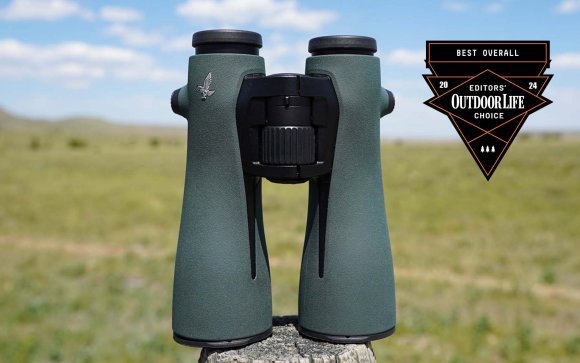
Credit: www.outdoorlife.com
Binoculars In Disaster Zones
Binoculars are important tools in disaster zones. They help aid workers see far areas quickly and safely.
Using binoculars, teams can assess damage, find survivors, and watch dangerous spots without risk.
Surveying Damage From Afar
After a disaster, it can be unsafe to walk through damaged areas. Binoculars let aid workers check damage from a distance.
- Identify collapsed buildings
- Check blocked roads and bridges
- Spot flooded areas
- Plan safe routes for rescue teams
Spotting Survivors Quickly
Finding survivors fast saves lives. Binoculars help spot people trapped or stranded from far away.
| Area | Signs to Look For | Notes |
|---|---|---|
| Rubble | Movement, waving hands | Focus on open spaces |
| Open Fields | Shouts, bright clothing | Check edges and tree lines |
| Water Bodies | Floating objects, calls for help | Use binoculars carefully near water |
Monitoring Hazardous Areas
Some zones are too dangerous for close inspection. Binoculars allow safe monitoring of hazards.
- Fire and smoke
- Unstable buildings
- Floodwaters and mudslides
- Wildlife or stray animals
Improving Coordination And Communication
Binoculars play a key role in humanitarian aid by helping teams work together better. They allow people to see far distances clearly. This helps teams stay in contact and coordinate their actions.
Clear communication and good coordination save time and lives during aid missions. Binoculars improve these by enhancing vision and signal detection across wide areas.
Assisting Team Navigation
Teams use binoculars to find their way in difficult or large areas. Binoculars help spot landmarks, paths, and hazards from a distance. This keeps teams safe and on track.
- Identify safe routes through rough terrain
- Spot natural landmarks for location tracking
- Watch for obstacles or dangerous areas ahead
- Help new team members learn the route quickly
Enhancing Signal Visibility
Binoculars help teams see signals from far away. Signals include flags, smoke, lights, or hand signs. Clear sight of signals improves fast and correct responses.
| Signal Type | Purpose | Benefit of Binoculars |
| Flags | Mark locations | See colors and shapes clearly |
| Smoke | Alert or call attention | Detect from long distances |
| Lights | Guide or warn at night | Spot small light sources easily |
| Hand Signs | Silent communication | Recognize gestures precisely |
Supporting Remote Communication
In remote areas, teams rely on visual signals to communicate. Binoculars help spot team members far away. They also assist in checking equipment or message locations.
Benefits of binoculars in remote communication include:
- Spotting team members in open fields or hills
- Checking radio or signal towers from a distance
- Confirming message drop points before moving
- Reducing misunderstandings caused by missed signals
Search And Rescue Operations
Binoculars help rescuers see far distances clearly. They improve how teams find people in need.
Using binoculars makes search and rescue work faster and safer in many situations.
Locating Missing Persons
Binoculars help teams spot missing people from a distance. They allow rescuers to cover large areas.
Clear vision helps find signs like waving hands or bright clothing quickly.
Assessing Rescue Routes
Binoculars allow teams to check paths before moving in. They help find safe and clear routes.
Rescuers can spot obstacles like fallen trees or rough terrain from afar.
Reducing Risk For Responders
Using binoculars helps rescuers avoid dangerous areas. They see hazards without getting too close.
This keeps responders safer while still doing their important work.
Environmental And Wildlife Monitoring
Binoculars are important tools for monitoring the environment and wildlife. They help people see animals and plants from far away without disturbing them.
Using binoculars, workers in humanitarian aid can watch nature closely to protect it better.
Tracking Animal Movement
Binoculars allow observers to follow animals from a safe distance. This helps track where animals go each day and how they behave.
- Identify migration routes
- Monitor endangered species
- Spot changes in animal habits
Protecting Vulnerable Ecosystems
People use binoculars to watch fragile ecosystems like forests and wetlands. This helps detect signs of damage early.
| Threat | Signs Seen Through Binoculars |
| Deforestation | Fewer trees, logging activity |
| Pollution | Dead plants, dirty water |
| Invasive Species | New plants or animals appearing |
Preventing Conflicts With Wildlife
Binoculars help people see wild animals near villages or farms. Early spotting reduces risks for both humans and animals.
- Warn locals about nearby animals
- Guide animals away from human areas
- Record animal behavior to plan safety steps
Training And Preparedness
Binoculars play a key role in training for humanitarian aid missions. They help teams prepare for real situations by improving sight and focus.
Effective training builds skills that save lives and support quick, safe responses in the field.
Simulating Field Conditions
Using binoculars during practice helps teams get used to field conditions. Trainees learn to scan large areas and spot details from far away.
- Practice identifying landmarks and hazards
- Train in different weather and light settings
- Use binoculars to check for safe paths and shelters
Enhancing Observation Skills
Binoculars improve observation skills by helping aid workers see clearly at long distances. This sharpens their ability to detect changes and spot needs.
| Skill | Benefit |
| Distance spotting | Identifies distant dangers or people |
| Detail focus | Finds small signs of distress or damage |
| Quick scanning | Assesses wide areas faster |
Building Team Readiness
Teams use binoculars to improve communication and coordination. Clear sight helps members share accurate information and work better together.
Key ways binoculars help team readiness:
- Spotting team members at a distance
- Checking signals or signs from afar
- Planning routes and safe zones collaboratively
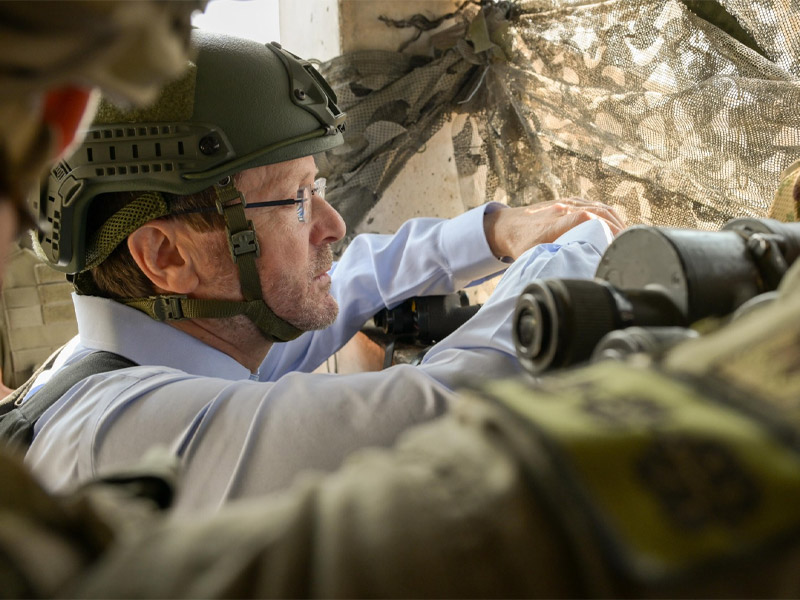
Credit: www.gov.il
Choosing The Right Binoculars
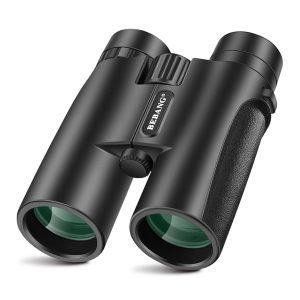
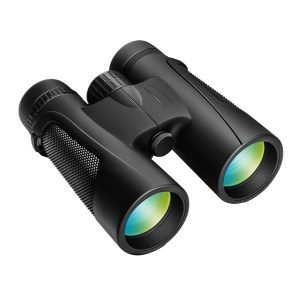
Binoculars are important tools in humanitarian aid. They help workers see far places clearly. Picking the right binoculars can make work easier and safer.
This guide explains what to look for when choosing binoculars for aid work. Focus on features that help in tough conditions and fast actions.
Key Features For Aid Work
Good binoculars for aid work must have clear lenses, strong zoom, and wide view. These features help workers spot details and movements from far away.
- Clear and bright lenses for better vision
- Strong zoom to see distant objects
- Wide field of view to cover more area
- Easy focus adjustment for quick use
Durability And Weather Resistance
Binoculars must resist rain, dust, and shocks. Durable models last longer and work well in rough environments.
| Feature | Benefit |
| Waterproof | Works in rain and wet conditions |
| Fog-proof | Clear view despite temperature changes |
| Shockproof | Handles drops and rough handling |
| Strong outer casing | Protects lenses and internal parts |
Portability And Ease Of Use
Lightweight binoculars are easier to carry during long missions. Simple controls help users focus fast and avoid missing important details.
- Compact size fits in a small bag
- Lightweight design reduces fatigue
- Easy-to-use focus wheel
- Comfortable grip for steady viewing

Credit: www.latimes.com
Frequently Asked Questions
How Do Binoculars Improve Disaster Response?
Binoculars help responders spot hazards and victims from a distance. They enable quick, accurate assessments in dangerous areas. This improves safety and speeds up rescue operations during disasters.
Why Are Binoculars Essential For Humanitarian Workers?
Humanitarian workers use binoculars to monitor conflict zones and remote locations. They provide clear visuals without physical risk. This enhances situational awareness and decision-making in aid delivery.
Can Binoculars Aid In Wildlife Protection Efforts?
Yes, binoculars allow observers to track endangered species and illegal activities discreetly. This supports conservation and anti-poaching missions, helping protect vulnerable wildlife.
How Do Binoculars Assist In Medical Aid Distribution?
Binoculars help locate isolated communities needing medical supplies. Aid teams can plan efficient routes and avoid obstacles. This ensures timely delivery of essential healthcare resources.
Conclusion
Binoculars play a crucial role in humanitarian aid. They provide clear, distant views. Aid workers spot danger quickly and help efficiently. Binoculars assist in locating people in need. They’re vital tools in emergency situations. Teams can assess situations faster and plan better.
This leads to more effective aid delivery. Binoculars also help in monitoring wildlife conservation. Overall, binoculars enhance the safety and success of aid missions. They are simple but powerful tools. Their importance in humanitarian efforts cannot be overstated.