Imagine having the ability to see things that are miles away, with clarity so sharp it feels like you’re right there. Tactical binoculars can give you this power, transforming your reconnaissance missions into a seamless experience.
Whether you’re a hobbyist or a professional, understanding how to use these tools effectively can be a game-changer. Have you ever found yourself squinting into the distance, wishing for a better view? Or perhaps you’ve been overwhelmed by the technical jargon surrounding binoculars, unsure of where to start.
You’re not alone. Many people feel challenged by the complexities of tactical binoculars, but don’t worry—we’re here to simplify it for you. By the end of this article, you’ll discover not only how to use tactical binoculars effectively but also how to unlock their full potential to enhance your reconnaissance skills. Imagine the confidence you’ll gain from mastering this tool, making every exploration more rewarding. Curious to learn how? Keep reading, and soon, distant landscapes will become your playground.
Choosing The Right Tactical Binoculars
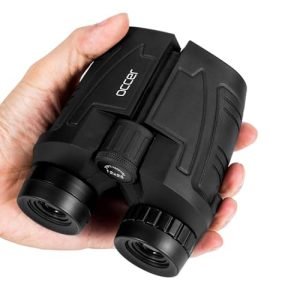
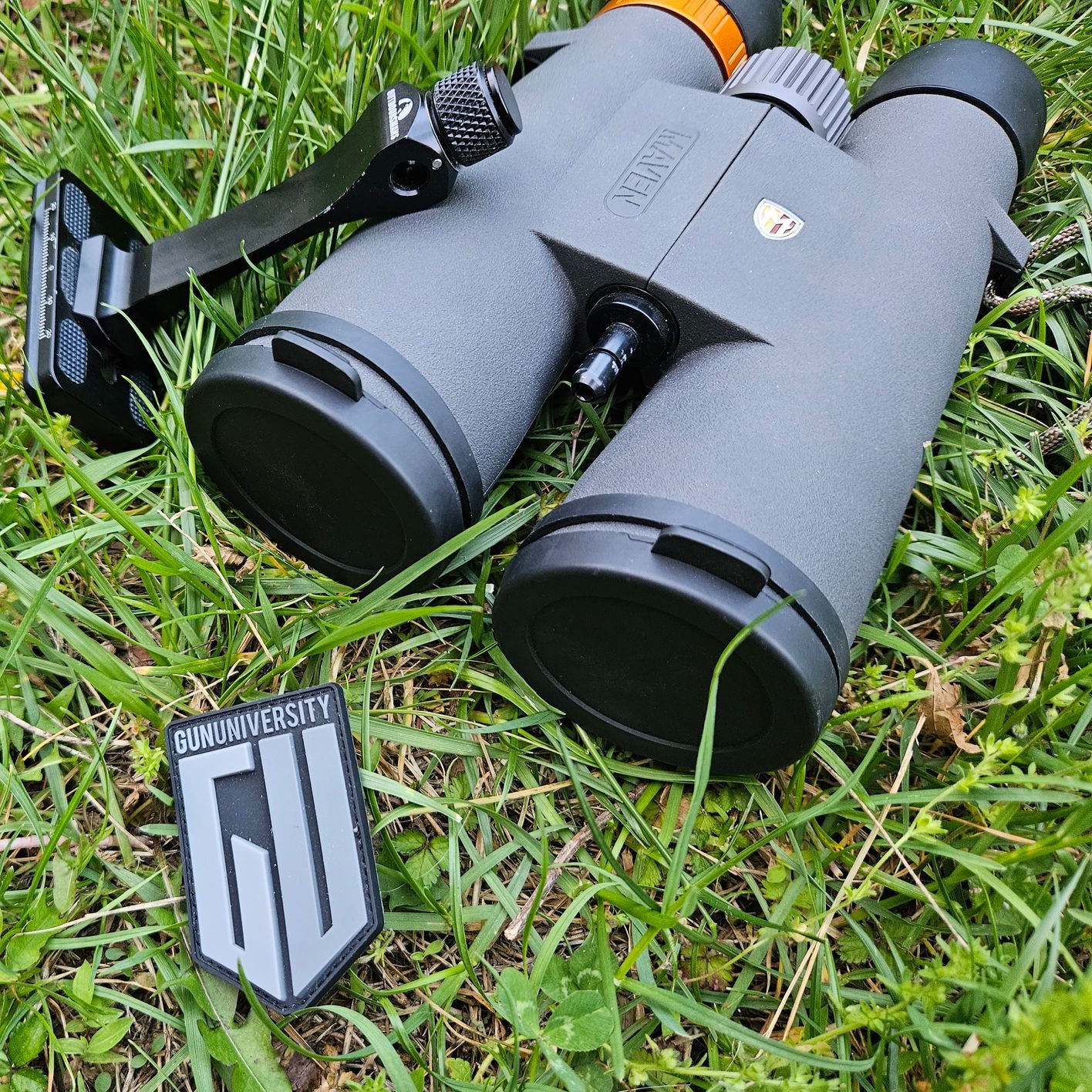
Magnificationaffects how close objects appear. Higher magnification means a closer view but less stability. Lens sizecontrols how much light enters. Bigger lenses offer brighter and clearer images, especially in low light.
Durabilityis key. Choose binoculars with a strong, shockproof body to handle rough use. Weather resistancekeeps lenses clear in rain or fog. Look for waterproof and fog-proof features for all-weather use.
Credit: gununiversity.com
Basic Handling And Setup
Adjusting the focushelps you see clear and sharp images. Start by holding the binoculars at eye level. Look at a distant object and turn the center focus wheel slowly. Stop when the image looks clear and not blurry. This step is important for good viewing.
Setting the interpupillary distancemeans matching the binoculars to the space between your eyes. Hold the binoculars and gently move the two eyepieces closer or farther apart. Stop when you see one round image instead of two. This makes viewing comfortable and easy on your eyes.
Using the diopter adjustmentfixes small differences between your eyes. Close your right eye and focus the left eye using the center wheel. Then close your left eye and adjust the diopter ring on the right eyepiece. Open both eyes and check if the view is sharp for both eyes. This step ensures perfect focus for each eye.
Techniques For Effective Reconnaissance
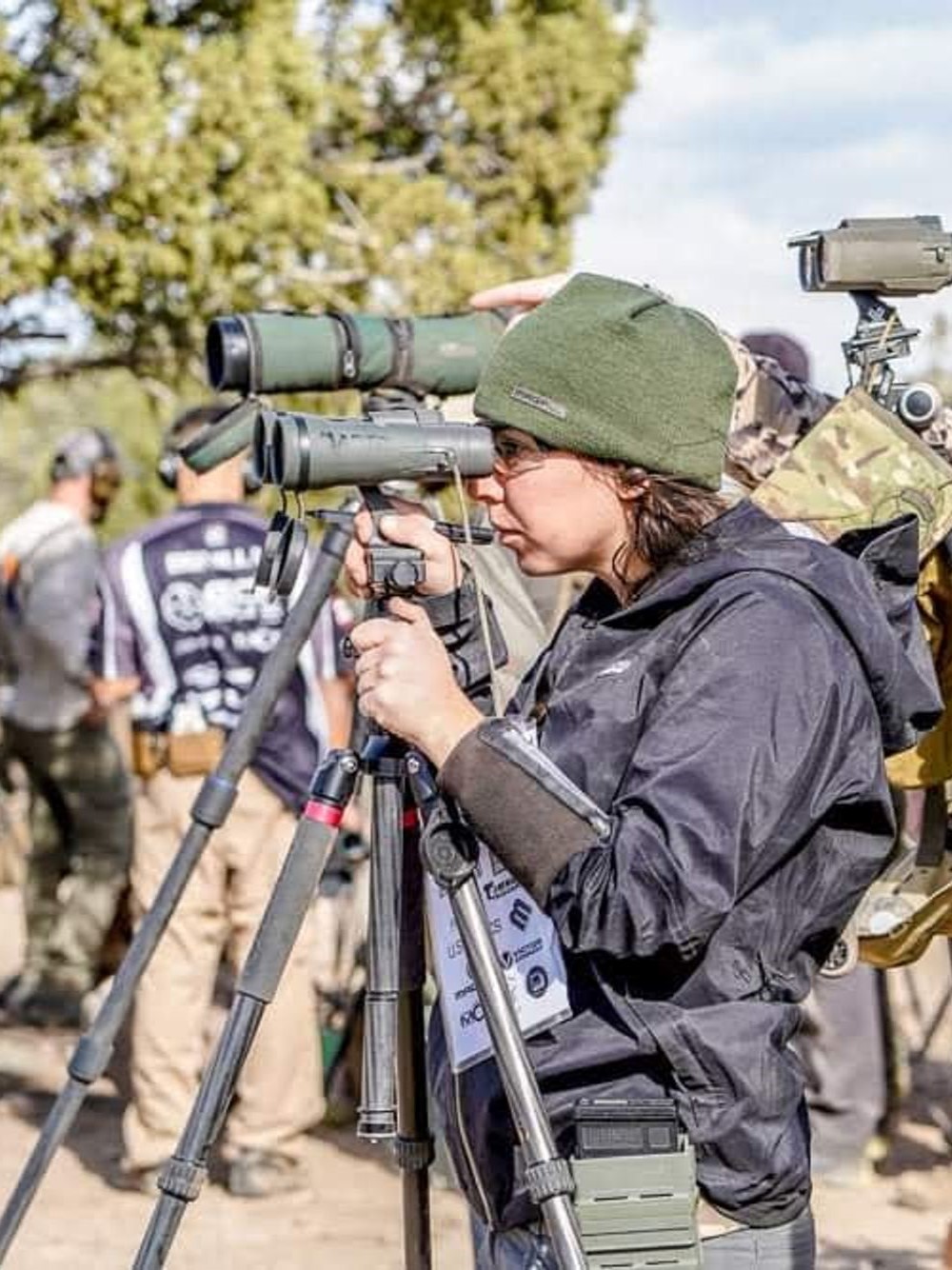
Scanningmeans slowly moving your binoculars to cover a wide area. Focus on slow, steady movementsto avoid missing details. Use a grid patternto make sure you check every part.
Spottingis about finding important objects or people quickly. Look for movement, shapes, and colorsthat stand out. Keep your eyes relaxed and blink oftento avoid eye strain.
- Stay lowand use shadows to stay hidden.
- Position yourselfbehind trees, rocks, or walls.
- Keep your body still to avoid making noise.
- Use a tripod or rest your elbows to keep binoculars steady.
Using natural coverhelps you stay safe and unseen. Look for bushes, tall grass, or uneven ground. Always check your background to avoid being spotted.

Credit: www.instagram.com
Maintaining And Caring For Your Binoculars
Cleaning lenses safelyrequires a soft brush or air blower to remove dust. Use a microfiber cloth to gently wipe the lenses. Avoid using rough cloths or paper towels as they can scratch the glass. Use lens cleaning solution made for optics. Never spray directly on lenses; spray on cloth instead. Keep the lenses dry to prevent water marks.
Storing and transportingbinoculars in a padded case protects them from damage. Store in a dry, cool place to avoid mold and fog. Use lens caps to keep lenses clean. Avoid leaving binoculars in direct sunlight or hot places like cars. Carry binoculars with a neck strap to prevent drops.
Preventive maintenanceincludes checking screws and hinges regularly. Tighten loose parts carefully. Keep moving parts clean and lubricated with proper oil. Inspect for cracks or damages before use. Regular care helps binoculars last longer and work better.
Advanced Tips For Tactical Use
Night visionbinoculars help see in very dark places. Use a steady hand or a tripod to avoid blurry images. Adjust the brightness to protect your eyes and keep the view clear. Low-light use needs patience and slow movements to avoid detection.
Rangefinders and reticles are tools inside binoculars that help measure distance and size. Learn to read the reticle marks to estimate how far objects are. Use rangefinders to plan safe routes and better understand your surroundings.
- Speak clearly and use simple words when sharing what you see.
- Use common signals or codes to keep communication fast and quiet.
- Note key details like direction, size, and movement.
- Confirm information with your team to avoid mistakes.
Credit: gununiversity.com
Frequently Asked Questions
What Are Tactical Binoculars Used For In Reconnaissance?
Tactical binoculars help gather detailed visual information from a distance. They provide clear, magnified views essential for surveillance, target identification, and movement tracking during reconnaissance missions.
How To Choose Tactical Binoculars For Effective Reconnaissance?
Select binoculars with high magnification, good low-light performance, and durable, weather-resistant build. Comfort and ease of focus are also crucial for prolonged use in the field.
Can Tactical Binoculars Improve Night Reconnaissance?
Yes, binoculars with night vision or enhanced low-light optics improve visibility in dark conditions. They enable clear observation without revealing your position, critical for night reconnaissance.
How To Properly Use Tactical Binoculars For Scanning Areas?
Use a stable stance and slow, methodical scanning motions. Focus on key points, adjust the focus for clarity, and avoid sudden movements to maintain stealth and accuracy.
Conclusion
Using tactical binoculars helps you see far and gather important details. Always adjust the focus for a clear view. Keep your hands steady to avoid shaky images. Practice often to improve your observation skills. Remember to stay quiet and hidden during reconnaissance.
These tips make your use of binoculars more effective. Stay alert and patient to gather the best information. Tactical binoculars are simple tools that aid in careful watching. With regular use, you will become more confident and precise.