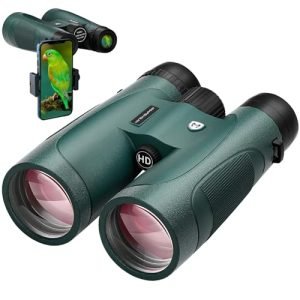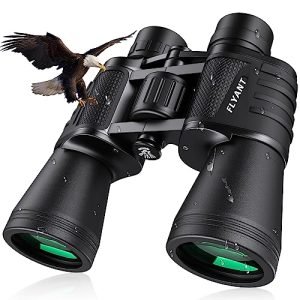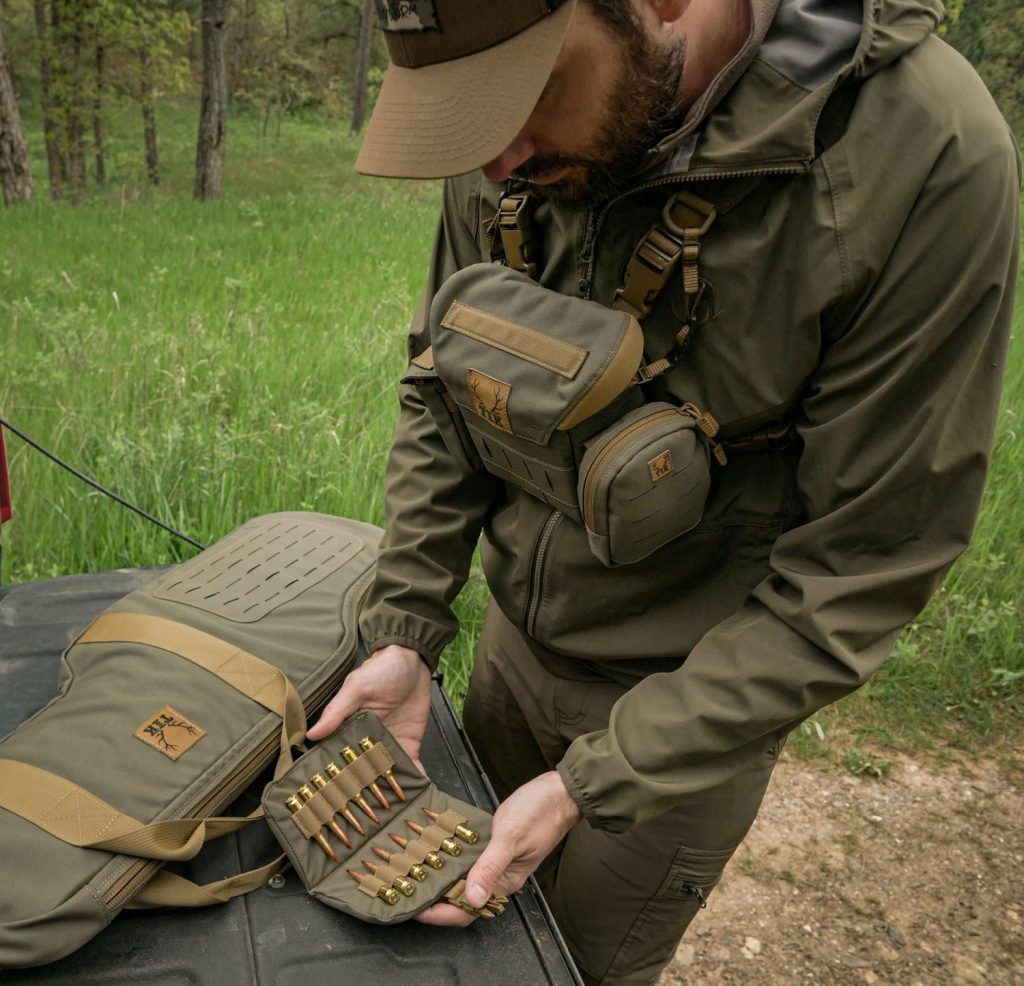
When you’re out in the field, every second counts and every piece of gear matters. Your tactical binoculars are crucial for spotting threats, surveying terrain, and staying one step ahead.
But how you carry them can make a big difference in how quickly and easily you access them when it really matters. Are your binoculars secure, ready, and comfortable to carry? Or are they slowing you down? You’ll discover practical tips and smart ways to carry your tactical binoculars during field operations—so you stay sharp, agile, and fully prepared for whatever comes your way.
Keep reading to make sure your gear works with you, not against you.

Credit: gtguardhunt.com
Choosing The Right Tactical Binoculars
Choosing the right tactical binoculars means understanding key factors. Size and weight matter a lot for comfort during long use. Optics quality affects clarityand field of view. Durability is essential; look for waterproof and shockproof models. Magnification power varies; balance between zoom and stability is crucial. Consider lens coating for better light transmission.
Different types suit different needs. Below is a table showing common types and their features.
| Type | Features | Best For |
|---|---|---|
| Compact | Lightweight, easy to carry | Quick moves, short missions |
| Standard | Balanced size and power | General field use |
| Zoom | Adjustable magnification | Varied distances, detailed viewing |
| Night Vision | Low light visibility | Night operations |

Credit: www.instagram.com
Essential Features For Field Use
Durabilityis vital for tactical binoculars. They must resist rough use and harsh weather. The body should be made of strong materialslike rubber or metal. This protects against drops and bumps.
Waterproofand fog-prooffeatures keep vision clear. Waterproof binoculars avoid damage in rain or wet conditions. Fog-proof lenses stop mist from forming inside. This ensures clear sight in cold or humid places.
Proper Carrying Techniques
Choosing between a harnessand a strapaffects comfort and access speed.
| Carrying Method | Pros | Cons |
|---|---|---|
| Harness |
|
|
| Strap |
|
|
Securing binoculars for quick access is key in the field. Use a quick-release clipor magnetic holderon your harness or strap. Keep binoculars at chest height for easy reach. Avoid placing them too low, which slows access.
Ensure binoculars are snug but not too tight. This prevents noise and movement. Regularly check the attachment points to avoid accidental drops.
Maintaining Binoculars In The Field
Keep lenses cleanusing a soft cloth or lens brush. Avoid using rough materials that may scratch the glass. Use lens cleaner solution for stubborn dirt or smudges. Protect lenses with lens caps when not in use.
Check binoculars regularly for dust, dirt, or moisture. Wipe the body with a damp cloth and dry it well. Store binoculars in a dry place to prevent mold and rust. Avoid touching lenses with fingers to keep oils away.
| Storage Option | Benefits | Tips |
|---|---|---|
| Padded Case | Protects from bumps and drops | Choose a case with soft lining and secure closure |
| Neck Strap | Keeps binoculars handy and safe | Use adjustable strap for comfort and quick access |
| Chest Harness | Distributes weight and reduces fatigue | Ensure harness fits well and holds binoculars firmly |
Common Mistakes To Avoid
Incorrect carry methodscan cause damage or loss of tactical binoculars. Carrying binoculars loosely in a bag may lead to scratches or impact damage. Using a neck strap without padding can cause discomfort and increase the risk of dropping. Avoid placing binoculars in back pockets or unsecured places. Instead, use a sturdy case or harness designed for quick access and protection.
Neglecting maintenancereduces the binoculars’ lifespan and performance. Dirt, dust, and moisture can harm lenses and moving parts. Clean lenses with a soft cloth regularly. Check for loose screws or damaged parts often. Store binoculars in a dry, padded case when not in use to prevent mold and corrosion.
Expert Advice For Optimal Use
Carrying tactical binoculars securely improves readiness and comfort during operations. Use a sturdy harness or belt pouch for quick access and safe storage. Keep binoculars close to avoid noise and damage while moving through the field.
Enhancing Vision In Various Environments
Tactical binocularsmust be kept secure yet accessible during field operations. Use a sturdy harness or strapto keep binoculars close to your chest or neck. This reduces movement and prevents dropping. In dense forests, keep binoculars covered with a camouflage case to avoid glare and reflection. In low light or fog, use binoculars with good lens coatingsto improve clarity. Keep them clean and dry for clear vision.
Techniques For Quick Target Acquisition
- Hold binoculars steady to avoid shaking.
- Use both hands for better control.
- Practice focusing quickly on moving targets.
- Keep binoculars ready at eye level for faster use.
- Learn to scan the area smoothly without jerks.

Credit: www.instagram.com
Frequently Asked Questions
How Should I Secure Tactical Binoculars On My Gear?
Use a sturdy harness or belt pouch designed for binoculars. Ensure it is easily accessible and firmly attached. This prevents damage and quick retrieval during field operations.
Can I Carry Tactical Binoculars Around My Neck Safely?
Yes, use a padded neck strap to reduce strain. Ensure the strap is adjustable and secure to avoid accidental drops and discomfort during long missions.
What Is The Best Position For Carrying Tactical Binoculars?
Carry binoculars at chest or waist level for quick access. Avoid dangling them freely to prevent damage and noise that could give away your position.
Should Tactical Binoculars Be Carried Inside Or Outside A Backpack?
It’s best to carry binoculars outside in a protective case. This allows faster access and protects them from impact, moisture, and dirt during field operations.
Conclusion
Carrying tactical binoculars correctly keeps them safe and ready to use. Choose a secure, easy-to-reach spot on your gear. Use straps or cases that fit well and protect from bumps. Keep your hands free for other tasks during field work.
Practice carrying them until it feels natural and quick. This way, you stay prepared for any situation in the field. Small habits make a big difference in safety and efficiency. Always handle your binoculars with care and focus on comfort.
Your success depends on how well you carry your gear.