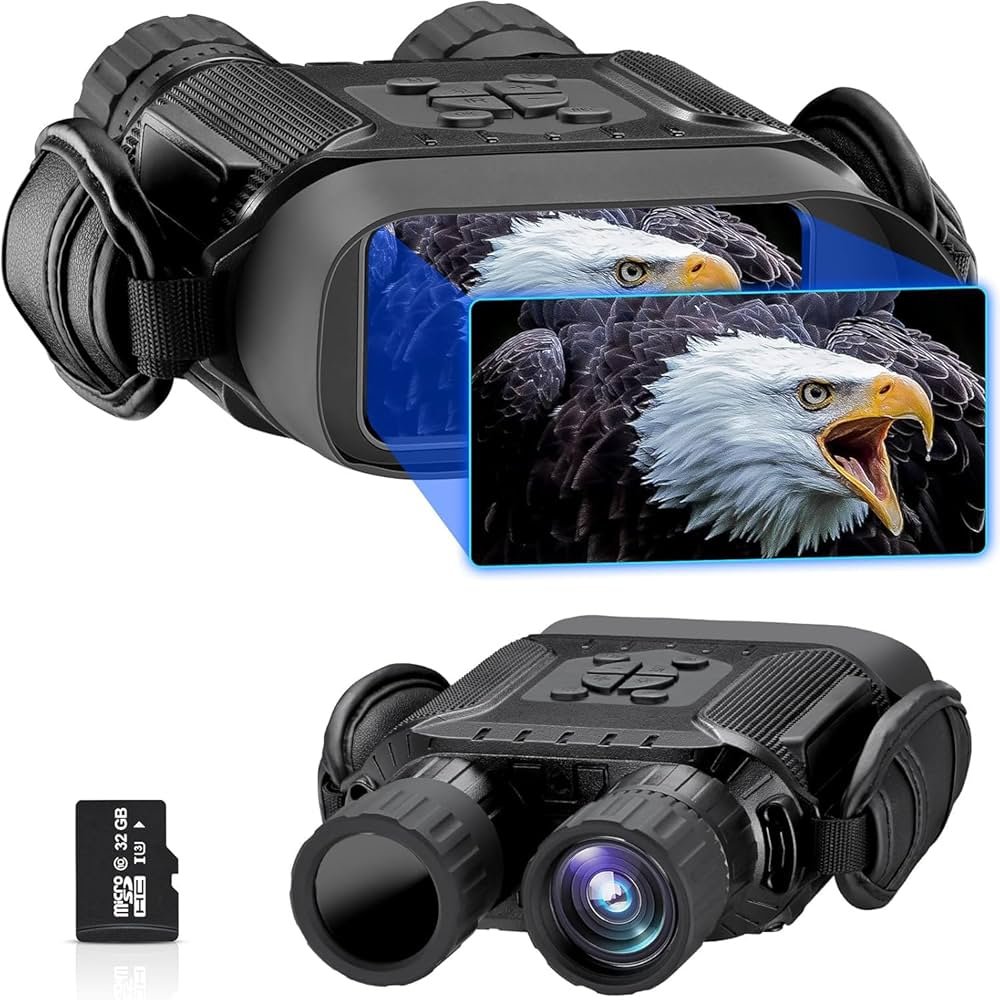
Are you wondering how to choose the right binoculars for your outdoor adventures or security needs? Understanding the difference between day and night surveillance binoculars can make all the difference in what you see and how well you see it.
Whether you’re spotting wildlife in broad daylight or keeping an eye on things after dark, picking the right tool matters. You’ll discover exactly what sets these two types apart and how to find the perfect fit for your specific needs.
Keep reading to make sure you never miss a crucial detail again.
Credit: www.amazon.com
Day Surveillance Binoculars
Day surveillance binoculars are tools used to see objects clearly in daylight. They help you watch things far away without disturbing the scene.
These binoculars work best under good lighting. They are not made for dark or low-light conditions.
Design And Build
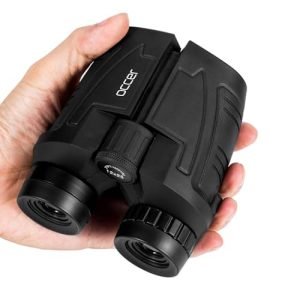
Day surveillance binoculars are lightweight and easy to carry. They often have a compact design for quick use.
The body is made to be strong and water-resistant. This helps when watching outdoors in different weather.
- Compact and portable
- Durable materials like rubber or plastic
- Water-resistant or weatherproof
- Comfortable grip for long use
Optical Features
Day binoculars have clear lenses for sharp images. They use coatings to reduce glare from the sun.
They offer good zoom levels to see distant objects in detail. Some have adjustable focus for clear viewing.
- High-quality glass lenses
- Anti-reflective coatings
- Zoom ranges usually between 7x to 10x
- Adjustable focus rings
Common Uses
People use day surveillance binoculars for many outdoor activities. They help watch animals, sports, or distant places.
They also help in security and observation tasks during daylight hours. These binoculars give clear views without extra light help.
- Bird watching and wildlife observation
- Sports and outdoor events
- Security and patrol work
- Hiking and sightseeing

Credit: www.usnighthawk.com
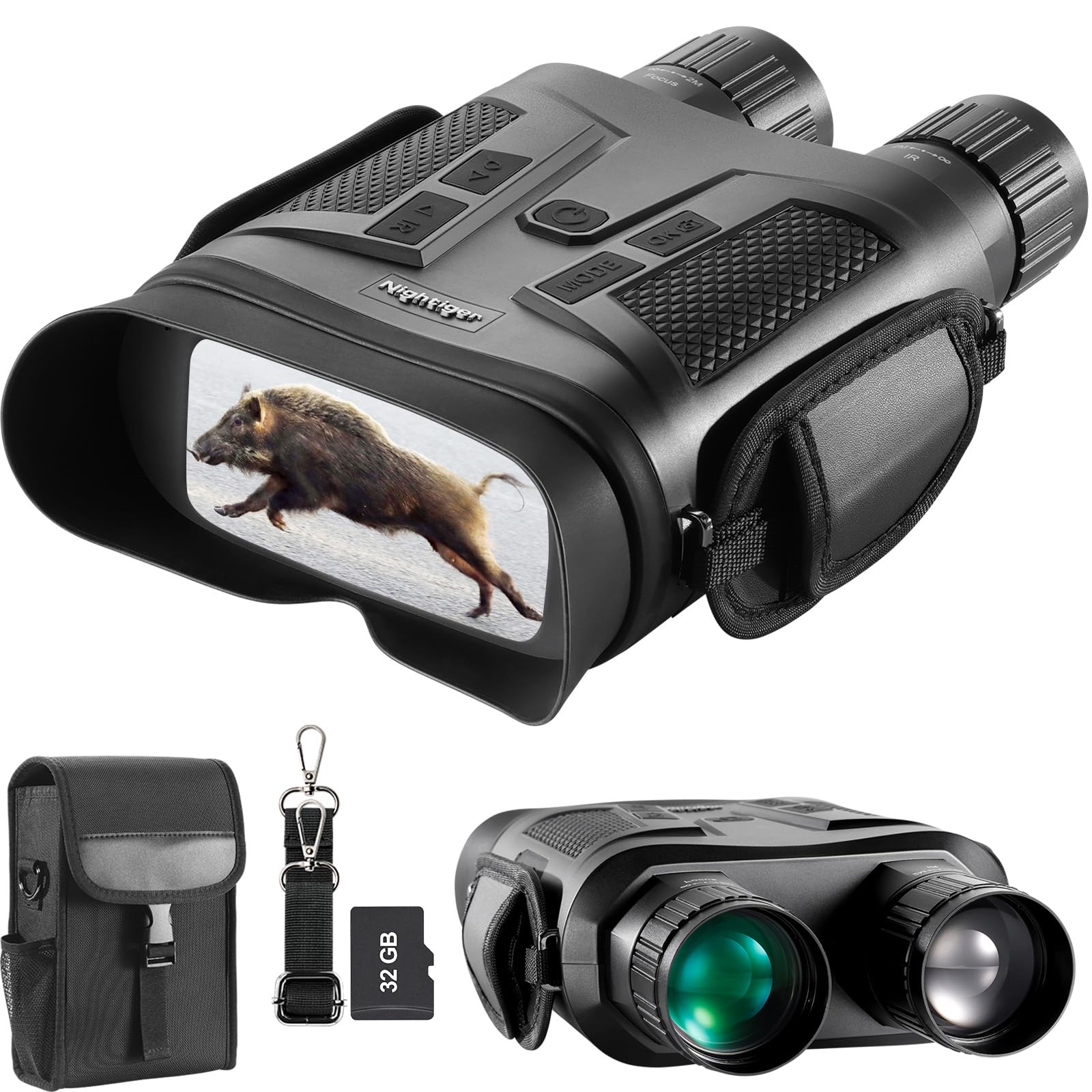
Night Surveillance Binoculars
Night surveillance binoculars help see clearly in low light or dark conditions. They are different from day binoculars because they use special technology to capture images at night.
These binoculars are important for security, wildlife watching, and search missions during nighttime. Their features make it easier to detect objects that are hard to see with the naked eye.
Infrared And Thermal Technology
Night surveillance binoculars use two main types of technology: infrared and thermal. Infrared technology captures light that is invisible to the human eye but is reflected by objects.
Thermal technology detects heat emitted by objects and shows temperature differences in the view. Both types help users see in complete darkness or fog.
- Infrared binoculars need some light to work, like moonlight or streetlights.
- Thermal binoculars work without any light by sensing heat.
- Infrared images are usually clearer but depend on light sources.
- Thermal images show heat shapes and help detect living things.
Image Enhancement
Night binoculars use image enhancement to make dark images brighter and clearer. This process improves the visibility of details in low-light scenes.
Some binoculars combine image enhancement with digital zoom and contrast adjustments. These features help the user focus on small or distant objects easily.
| Feature | Description |
| Brightness Control | Adjusts light levels for clear viewing |
| Contrast Enhancement | Improves object outline and detail |
| Digital Zoom | Magnifies images without losing quality |
| Noise Reduction | Removes grainy spots in the image |
Typical Applications
Night surveillance binoculars are used in many fields where seeing at night is important. Their technology helps users work safely and effectively in the dark.
- Security and law enforcement for night patrols
- Wildlife observation without disturbing animals
- Search and rescue operations in low visibility
- Navigation and surveillance in outdoor environments
- Military use for covert night missions
Key Differences
Day and night surveillance binoculars serve different purposes. They vary in design and features. Understanding these differences helps choose the right one.
We will look at three main areas: visibility and clarity, power sources and battery life, and cost and maintenance.
Visibility And Clarity
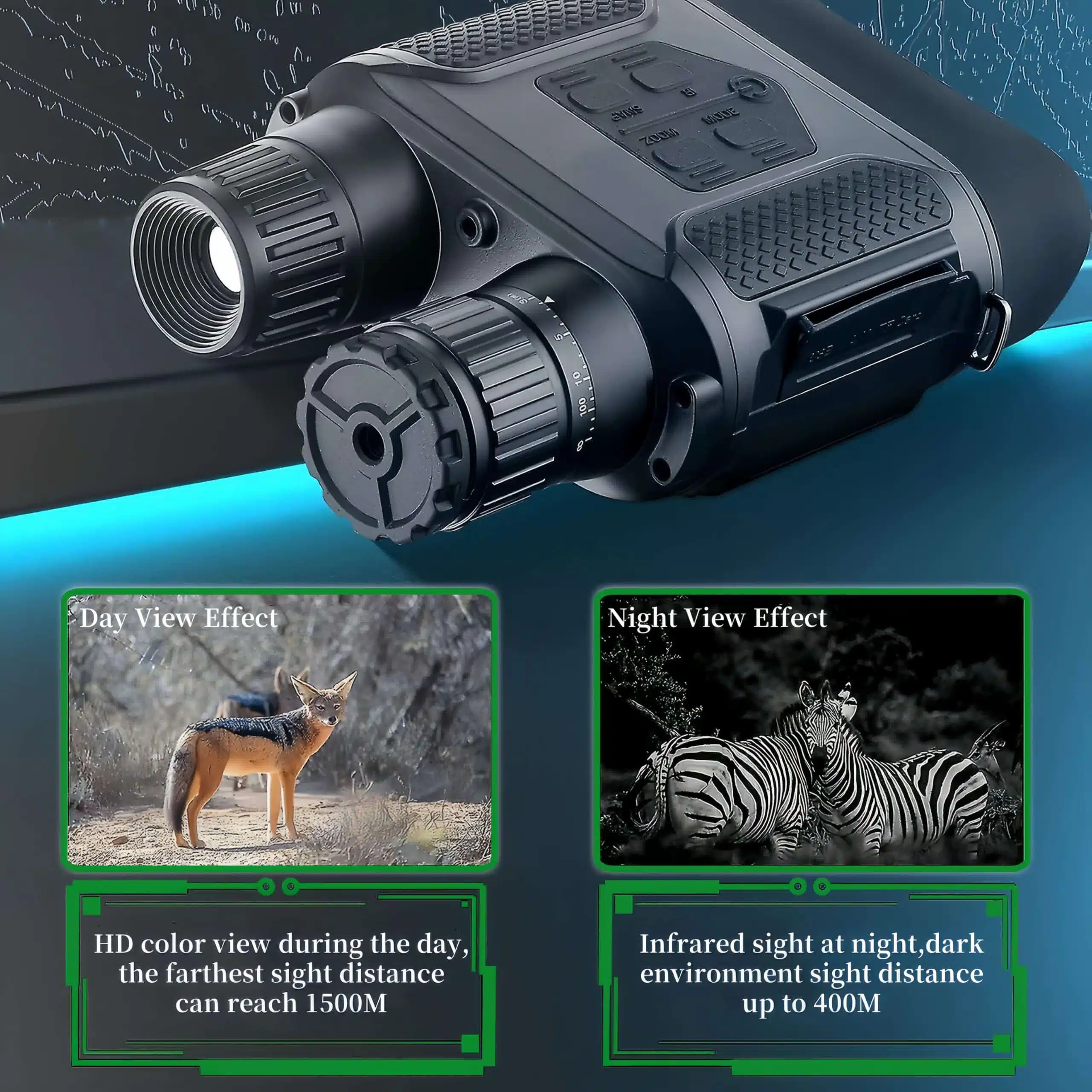
Day binoculars use natural light to provide clear images. They offer sharp and bright views during daylight hours. Night binoculars use infrared or thermal technology. This lets users see in very low light or total darkness.
- Day binoculars give true colors and detailed views.
- Night binoculars show images in black and white or heat signatures.
- Night models may have lower resolution than day models.
- Some night binoculars combine day and night modes.
Power Sources And Battery Life
Day binoculars usually do not need batteries. They rely on natural light. Night binoculars require power for their electronics. Battery life can vary widely based on use and model.
| Type | Power Source | Average Battery Life |
| Day Binoculars | None or minimal (for digital features) | N/A or long-lasting |
| Night Binoculars | Rechargeable or replaceable batteries | 4 to 10 hours depending on use |
Cost And Maintenance
Day binoculars are generally less expensive. They need less upkeep since they have fewer electronic parts. Night binoculars cost more due to advanced technology. They require regular battery checks and sometimes lens cleaning for infrared parts.
- Day binoculars need simple cleaning and storage.
- Night binoculars need battery care and occasional servicing.
- Night models can be heavier because of extra components.
- Proper handling extends lifespan for both types.
Choosing The Right Binoculars
Binoculars help you see objects far away. Choosing the right type depends on your needs.
Day and night surveillance binoculars work differently. Knowing their differences helps you pick the best one.
Purpose And Environment
Day binoculars are made for bright light. They work well outdoors during the day.
Night binoculars have special features to see in low light. They help you watch in dark places or at night.
- Day binoculars: good for hiking, bird watching, or sports
- Night binoculars: used for security, wildlife, or night patrols
- Consider lighting and weather when choosing
Budget Considerations
Day binoculars usually cost less than night ones. Night vision tech is more complex and expensive.
Set your budget before buying. Think about how often you will use the binoculars.
- Day binoculars: affordable for casual users
- Night binoculars: higher price, better for professionals
- Check for warranty and quality within your budget
Additional Features
Extra features improve your experience with binoculars. Look for what fits your needs.
Night binoculars may have infrared lights or image enhancement. Day binoculars focus on clarity and zoom.
- Waterproof and fog proof for all weather
- Adjustable focus and eye relief for comfort
- Compact design for easy carrying
- Night vision includes infrared or thermal options
Tips For Effective Surveillance
Surveillance binoculars help you watch areas closely. Using them well gives clearer views and better results. You can watch during day or night with the right tools.
Knowing how to handle and set your binoculars keeps your vision sharp. It also protects your equipment and keeps you safe.
Proper Handling
Hold the binoculars steady to avoid shaky images. Use both hands and rest your elbows on a stable surface if possible. Keep the lenses clean and covered when not in use.
- Use a neck strap to prevent drops
- Clean lenses with a soft cloth only
- Store binoculars in a dry case
- Avoid touching lenses with fingers
Optimal Settings
Adjust the focus to get a clear image. Change the brightness and contrast for night use. Daytime settings work best with natural light, while night settings use infrared or low-light modes.
| Setting | Day Use | Night Use |
| Focus | Manual or auto-focus | Manual focus preferred |
| Brightness | Normal | Increased or infrared |
| Contrast | Standard | Enhanced for low light |
| Zoom | High zoom for distance | Moderate zoom to reduce blur |
Safety Precautions
Protect your eyes and stay aware of your surroundings. Avoid pointing binoculars at bright lights. Use them only in safe places to prevent accidents or damage.
- Do not look directly at the sun
- Stay alert to avoid tripping or falling
- Use camouflage to stay hidden during surveillance
- Keep binoculars dry and avoid extreme temperatures
Credit: www.usnighthawk.com
Frequently Asked Questions
What Are Day Surveillance Binoculars Used For?
Day surveillance binoculars are designed for clear viewing in daylight. They provide sharp images and color accuracy. These binoculars use standard optics without night vision features. They are ideal for wildlife watching, sports events, and general outdoor activities during the day.
How Do Night Surveillance Binoculars Work?
Night surveillance binoculars use infrared or thermal technology to see in low light. They amplify available light or detect heat signatures. This allows clear vision in darkness where regular binoculars fail. They are essential for security, wildlife observation, and night patrols.
Can Day And Night Binoculars Be Used Interchangeably?
Day and night binoculars are not interchangeable due to different technologies. Day binoculars lack night vision capabilities. Night binoculars may perform poorly in bright daylight. Choosing depends on your specific surveillance needs and environment lighting conditions.
What Features Distinguish Day From Night Binoculars?
Day binoculars focus on optical clarity and color accuracy. Night binoculars include infrared illuminators or thermal sensors. Night models are often bulkier due to additional tech. Lens coatings and magnification may also vary for better low-light performance.
Conclusion
Day and night surveillance binoculars serve different purposes. Day models excel in bright conditions. Night versions work best in low light. Each type offers unique features. Light conditions dictate their effectiveness. Knowing the differences helps in choosing the right model.
Day binoculars deliver clear images in sunlight. Night binoculars enhance vision in darkness. Both types are essential for round-the-clock surveillance. Understanding these differences ensures informed decisions. Choose wisely based on your needs. Using the right binoculars enhances your surveillance experience.
Make sure to pick the right tool for the job.