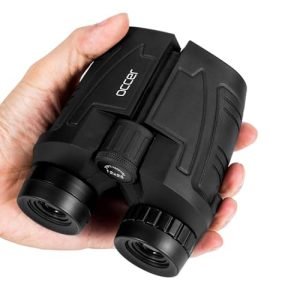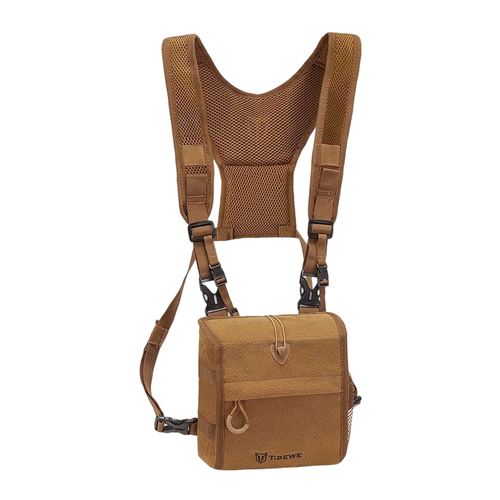
Are you relying on your binoculars for clear, sharp views during surveillance? Protecting them from damage is crucial to keep your vision sharp and your equipment reliable.
Even a small scratch or bump can ruin your experience and cost you money. But don’t worry — with the right care and simple steps, you can shield your binoculars from harm. Keep reading to discover easy and effective ways to safeguard your gear so it stays in perfect shape every time you use it.
Choosing Durable Binoculars
Protecting binoculars during surveillance is very important. Durable binoculars last longer and handle tough use.
Choosing the right materials and features helps keep your binoculars safe from damage.
Materials That Withstand Impact
Binoculars made from strong materials resist drops and bumps. Look for models with rubber armor or metal bodies.
Rubber armor absorbs shocks and prevents scratches. Metal frames add extra strength but can be heavier.
- Rubber coating for shock absorption
- Aluminum or magnesium alloy bodies for strength
- Polycarbonate plastics for lightweight durability
Weatherproof Features To Consider
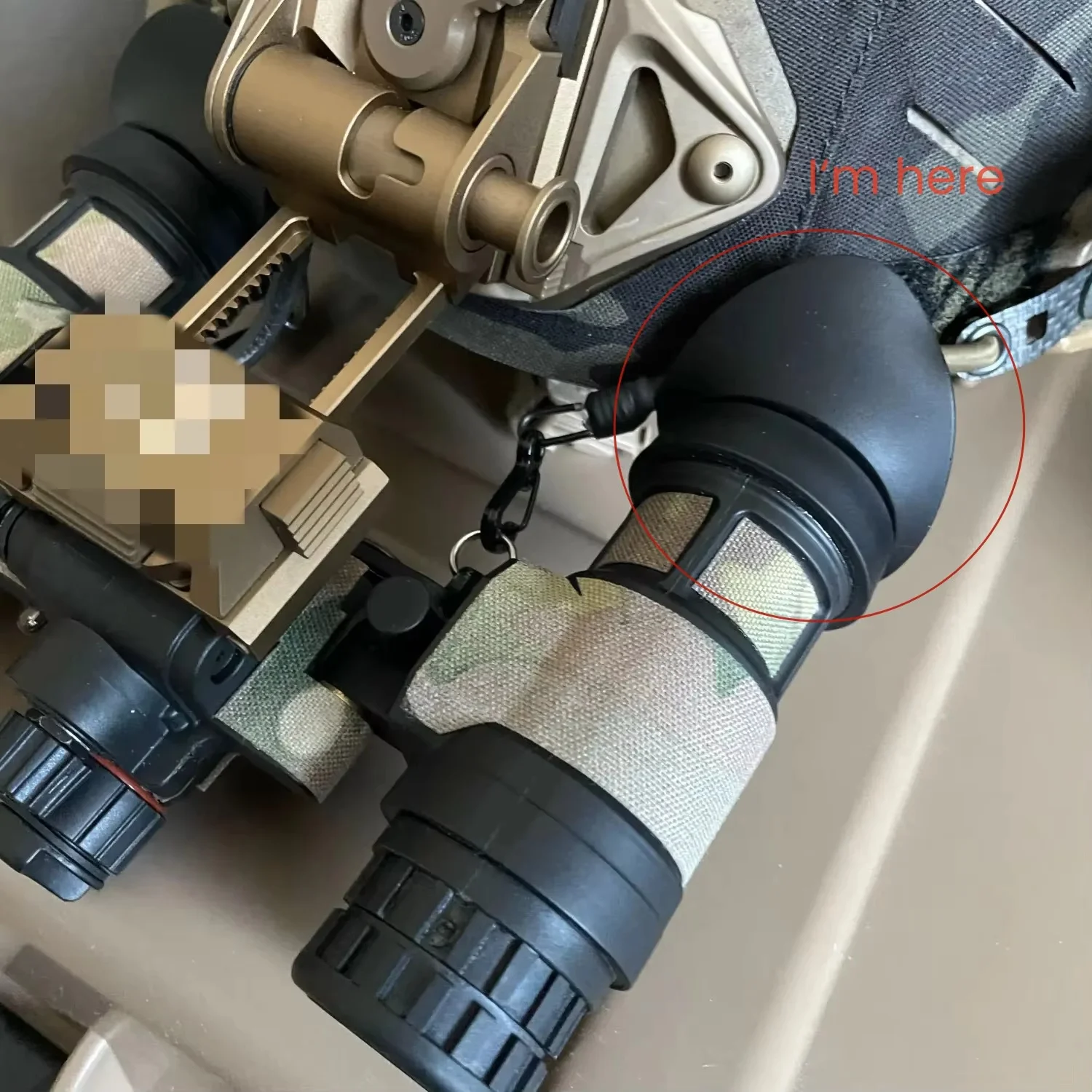
Weatherproof binoculars resist rain, fog, and dust. These features protect the lenses and internal parts.
Look for waterproof seals and fog-proof nitrogen or argon gas filling. These stop moisture inside the binoculars.
- Waterproof seals to keep out rain and water
- Fog-proof gas filling to avoid lens fogging
- Dustproof design for use in dry or sandy areas
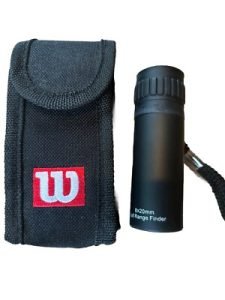
Credit: www.aliexpress.com
Proper Handling Techniques
Binoculars are delicate tools used in surveillance. Handling them properly keeps them safe from damage.
Learning the right ways to carry and use binoculars helps maintain their quality and extends their life.
Safe Carrying Practices
Always carry binoculars with care to avoid drops or scratches. Use a neck strap or a padded case to keep them secure.
- Hold binoculars with both hands for a firm grip.
- Use a neck strap to prevent accidental drops.
- Store binoculars in a padded case when not in use.
- Avoid placing binoculars on rough or uneven surfaces.
- Keep lenses covered with caps to protect from dust and scratches.
Avoiding Common Mistakes
Many damage issues come from simple mistakes. Avoid these to keep binoculars in good condition.
| Mistake | How to Avoid |
| Dropping binoculars | Use straps and hold them firmly with both hands. |
| Exposing lenses to dirt | Always use lens caps and clean gently with proper cloths. |
| Using binoculars in harsh weather | Protect binoculars with waterproof covers and avoid extreme conditions. |
| Improper storage | Store in a dry, cushioned case away from direct sunlight. |
Storage Solutions
Protecting binoculars during surveillance is essential for their longevity. Proper storage helps prevent damage and keeps optics clear.
Using the right storage methods ensures binoculars stay safe from dust, moisture, and impacts.
Protective Cases And Covers
Use sturdy cases made from shock-absorbing materials. Soft covers protect against scratches and dust.
- Choose padded cases with secure closures.
- Use waterproof covers for wet conditions.
- Keep lens caps on when not in use.
- Store binoculars in cases when transporting.
Ideal Storage Conditions
Store binoculars in dry, cool places. Avoid extreme temperatures and direct sunlight to prevent damage.
| Condition | Recommended Range |
| Temperature | 10°C to 25°C (50°F to 77°F) |
| Humidity | 40% to 60% |
| Light | Low to moderate, avoid direct sunlight |
| Dust | Minimal, use sealed cases |
Cleaning And Maintenance
Binoculars are valuable tools for clear and distant viewing. Keeping them clean and well-maintained helps protect them from damage.
Proper cleaning and regular care extend the life of your binoculars during surveillance tasks.
Safe Cleaning Methods
Cleaning binoculars requires gentle handling to avoid scratches or damage. Use soft materials and avoid harsh chemicals.
Start by removing dust with a soft brush or air blower. Avoid touching lenses with your fingers.
- Use a microfiber cloth to wipe lenses gently
- Apply lens cleaning solution only on the cloth, not directly on lenses
- Clean eyecups and body with a damp cloth
- Never use paper towels or tissues to clean lenses
Regular Maintenance Tips
Regular checks help catch problems early and keep binoculars in good shape. Store them properly after use.
Inspect lenses, focus knobs, and seals often. Replace damaged parts quickly to avoid bigger issues.
- Keep binoculars in a protective case when not in use
- Store in a dry place to prevent mold and rust
- Check for loose screws and tighten if needed
- Lubricate moving parts lightly with recommended oil
- Avoid exposing binoculars to extreme temperatures
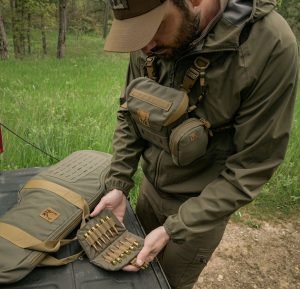
Using Straps And Harnesses
Binoculars are delicate tools used in surveillance. Protecting them from damage is important. Using straps and harnesses helps keep binoculars safe during use.
These accessories keep the binoculars close to your body. They prevent drops and reduce the risk of scratches and bumps.
Benefits Of Secure Straps
Secure straps offer many advantages for binocular safety. They keep the binoculars stable and easy to reach. This reduces the chance of dropping or losing them.
- Prevents accidental drops
- Reduces hand fatigue during long use
- Keeps binoculars within easy reach
- Protects against scratches and bumps
- Allows hands-free movement
Choosing The Right Harness
Choosing the right harness depends on your activity and comfort. Look for a harness that fits well and distributes weight evenly.
| Feature | Importance |
| Adjustable Straps | Ensures comfortable fit |
| Padded Support | Reduces neck and shoulder strain |
| Durable Materials | Provides long-lasting protection |
| Quick-Release Buckles | Allows easy removal |
| Compatibility | Fits your binocular size and model |

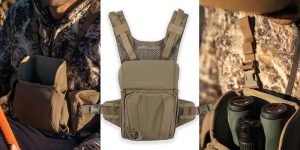
Credit: www.amazon.com
Environmental Precautions
Protecting binoculars from damage during surveillance is essential. Environmental factors like moisture, dust, and temperature can harm the lenses and mechanics.
Taking simple precautions helps keep binoculars working well and extends their life.
Protecting From Moisture And Dust
Moisture and dust can fog lenses and damage internal parts. Always keep binoculars dry and clean to avoid these problems.
- Use a waterproof carrying case during rain or humid conditions.
- Keep lens caps on when not in use to prevent dust buildup.
- Wipe lenses gently with a microfiber cloth to remove dust and smudges.
- Store binoculars in a dry place with silica gel packets to absorb moisture.
- Avoid touching lenses with fingers to prevent oil stains.
Handling Extreme Temperatures
Extreme heat or cold can affect binoculars’ performance and materials. Avoid exposing them to rapid temperature changes.
| Temperature Condition | Precaution |
| High Heat | Keep binoculars shaded and avoid leaving them in direct sunlight. |
| Freezing Cold | Allow binoculars to warm slowly before use to prevent fogging inside. |
| Rapid Changes | Store binoculars in a sealed bag to reduce condensation risk. |
Repair And Professional Care
Protecting binoculars during surveillance is important for clear vision. Proper care helps keep them working well. Sometimes, repairs are needed to fix damage.
Knowing when to get professional help can save your binoculars from further harm. Avoiding some DIY fixes can also prevent extra problems.
When To Seek Professional Help
Look for expert repair if your binoculars have serious issues. These include fog inside lenses or broken parts. Professionals use special tools to fix complex damage.
- Cracked or shattered lenses
- Loose or damaged focusing mechanisms
- Water damage inside the binoculars
- Persistent fogging or internal dirt
- Misaligned optics affecting image quality
Diy Fixes To Avoid
Some repairs should not be done at home. Using the wrong tools or methods can cause more damage. Avoid trying these fixes yourself.
| DIY Fix | Reason to Avoid |
| Opening sealed binoculars | May break waterproof seals |
| Using household cleaners on lenses | Can scratch or cloud lenses |
| Forcing stuck parts | May damage delicate mechanisms |
| DIY realignment of lenses | Needs precise calibration tools |
| Ignoring small issues | Can lead to bigger, costly repairs |
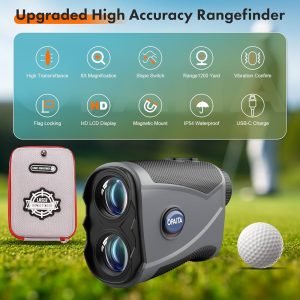
Credit: www.bhwlawfirm.com
Frequently Asked Questions
How Can I Protect Binoculars From Scratches?
Use a soft protective case when not in use. Always clean lenses with a microfiber cloth. Avoid placing binoculars on rough surfaces to prevent scratches.
What Is The Best Way To Store Binoculars During Surveillance?
Store binoculars in a padded case away from extreme temperatures. Keep them dry and avoid direct sunlight to prevent lens damage and fogging.
How Do I Prevent Fogging On Binocular Lenses?
Use anti-fog lens coatings or wipes. Keep binoculars in a dry environment and avoid sudden temperature changes to reduce fogging.
Can I Use Lens Covers To Protect Binoculars?
Yes, lens covers protect from dust, scratches, and moisture. Always cover lenses when binoculars are not in use for better protection.
Conclusion
Protecting binoculars during surveillance keeps them working well longer. Use a sturdy case to avoid drops and scratches. Clean lenses gently with a soft cloth to maintain clear views. Avoid exposing binoculars to extreme weather or moisture. Store them in a dry, safe place after use.
Regular care helps avoid costly repairs or replacements. Small habits make a big difference in binocular safety. Keep your tools ready for every observation. Care today means clear vision tomorrow.