When every second counts, having the right tools can make all the difference. If you’ve ever wondered what binoculars police rescue teams rely on during critical missions, you’re in the right place.
These binoculars aren’t just ordinary—they’re designed to help officers see clearly, stay safe, and save lives. You’ll discover the features that make these binoculars stand out and why they are essential for rescue operations. Keep reading to find out how the right pair can change the outcome of a rescue.

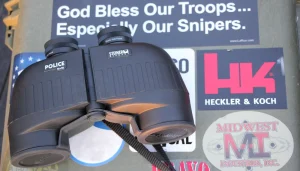
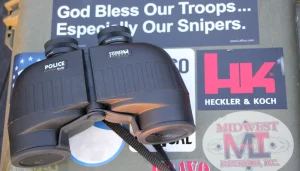
Credit: aaapolicesupply.com
Key Features Of Police Rescue Binoculars
Police rescue teams rely on binoculars for clear vision during critical missions. These binoculars must meet strict standards to perform well in tough environments.
Understanding the key features helps in choosing the right binoculars for rescue operations.
Durability And Build Quality
Binoculars used by police rescue teams are built to last. They have strong bodies made from materials like rubber and metal. This protects them from drops and rough handling.
Good build quality ensures the binoculars keep working even after long use in harsh conditions.
Magnification And Lens Size
Magnification helps rescue teams see distant objects clearly. Lens size affects how much light enters the binoculars, which impacts image brightness.
- Common magnification levels are 8x to 10x for a balance of clarity and stability.
- Larger lenses, like 40mm or 50mm, help in low light conditions.
- Too much magnification can make the image shaky without support.
Night Vision Capabilities
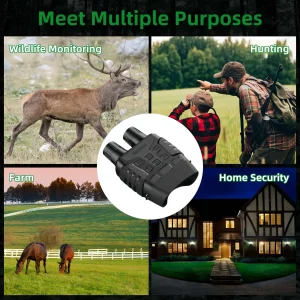
Night vision is crucial for rescue work in the dark. Police binoculars often have infrared or low-light technology. This lets users see clearly at night without extra light.
| Feature | Description |
| Infrared Vision | Detects heat signatures in darkness |
| Low-Light Enhancement | Amplifies available light for clearer images |
| Digital Night Vision | Uses camera sensors for video and image capture |
Weather Resistance
Rescue missions happen in all weather types. Binoculars must resist rain, dust, and fog. Waterproof and fog-proof features keep lenses clear and functional.
Sealed lenses and protective coatings are common in police binoculars.
Ergonomics And Portability
Comfort matters during long missions. Police binoculars are lightweight and easy to hold. They have rubber grips to prevent slipping.
- Compact design fits in rescue gear packs.
- Adjustable eyecups for different users.
- Straps and cases add to portability and safety.
Popular Binocular Models For Rescue Teams
Police rescue teams use binoculars to see far and clearly. These tools help them spot people and dangers from a distance.
Different binoculars fit different rescue needs. Teams pick models based on power, size, and special features.
High-powered Tactical Binoculars
High-powered tactical binoculars give clear views at long distances. They have strong zoom and sharp lenses. These binoculars help teams watch from far away.
They are tough and work well in hard conditions. Rescue teams use them for searching wide areas or tracking moving targets.
- 10x to 15x magnification
- Waterproof and fog-proof design
- Rubber armor for extra grip
- Wide field of view for spotting
Compact And Lightweight Options
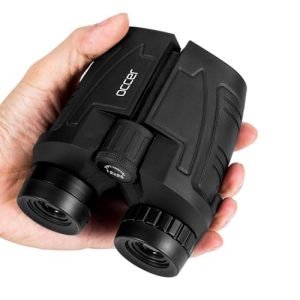
Compact binoculars are easy to carry and use. They weigh less and fit in small bags or pockets. Teams use them when they move fast or climb.
These models still offer good zoom but focus on convenience. They work well for quick checks and close-range viewing.
- 6x to 8x magnification
- Small size fits in hand
- Lightweight but durable
- Easy to use with one hand
Binoculars With Infrared Technology
Infrared binoculars help teams see in the dark. They use special sensors to detect heat from people or animals. This is useful in night searches.
These binoculars improve safety by showing hidden threats. They work well in smoke, fog, or low light.
- Night vision and thermal imaging
- Detect heat signatures
- Useful in no-light conditions
- Rechargeable batteries
Multi-purpose Rescue Binoculars
Multi-purpose binoculars balance power and features. They work in many situations, from day to night. Rescue teams use them for all-around tasks.
These binoculars often include range finders or compass tools. They help teams measure distance and direction quickly.
- Moderate zoom (8x to 12x)
- Built-in compass or range finder
- Durable and weather-resistant
- Good for varied conditions
Technology Enhancing Rescue Operations
Police rescue teams use special binoculars to help them see far and clear. These tools improve safety and speed during missions.
New technology in binoculars makes rescue work easier. Teams can spot people faster and make better decisions.
Image Stabilization Features
Image stabilization helps keep the view steady. This is important when officers move or when the target is far away.
With less shaking, rescue teams can see details better. It reduces eye strain and improves focus on the scene.
Digital Zoom And Camera Integration
Digital zoom allows teams to enlarge distant objects without losing clarity. This helps in spotting people or hazards quickly.
Binoculars with built-in cameras can capture images and videos. This helps teams share important information in real time.
Gps And Rangefinder Add-ons
GPS helps teams know their exact location during rescue missions. It improves coordination and speeds up response times.
Rangefinders measure the distance to an object. This helps teams plan their approach and use resources wisely.
- GPS tracks team position and target location
- Rangefinder gives distance to obstacles or victims
- Both features improve safety and mission success
Choosing The Right Binoculars For Specific Missions
Police rescue teams rely on binoculars to see clearly in difficult situations. Choosing the right binoculars depends on the mission type. Different environments need different features.
Good binoculars help teams find people fast and stay safe. Understanding what each mission needs guides the choice of binoculars.
Urban Search And Rescue
In cities, rescue teams face tight spaces and many obstacles. Binoculars must be compact and easy to carry. Clear vision in low light is important.
- Small size for easy handling
- Wide field of view to scan large areas
- Good light-gathering ability for dark buildings
- Durable and shock-resistant design
Wilderness And Mountain Rescue
Mountain rescue requires binoculars with strong zoom and weather resistance. Teams must see far and deal with rain or snow. Lightweight models help in long hikes.
| Feature | Reason |
| High magnification (8x to 10x) | See distant objects clearly |
| Waterproof and fog-proof | Work in wet and cold weather |
| Lightweight frame | Reduce fatigue during hikes |
| Rubber coating | Better grip and protection |
Water Rescue Scenarios
Water rescues need binoculars that float and resist water damage. Easy focus and bright lenses help in spotting people on water.
- Floating design to avoid loss in water
- Anti-glare lenses for bright sunlight
- Quick focus for fast target acquisition
- Strong waterproof seals
Maintenance And Care Tips
Police rescue teams use binoculars in many tough situations. Proper care helps keep them working well. Regular maintenance extends their life and performance.
Keeping binoculars clean and stored right is very important. Checking batteries and fixing problems early also helps a lot.
Cleaning And Storage
Clean binocular lenses gently with a soft cloth. Avoid using rough materials that can scratch the glass. Use lens cleaner or a small amount of water if needed.
Store binoculars in a dry, cool place. Use a protective case to keep dust and dirt away. Avoid leaving them in direct sunlight or very hot areas.
- Use a microfiber cloth for cleaning lenses
- Keep binoculars in a padded case
- Store away from heat and moisture
- Cover lenses with caps when not in use
Battery And Power Management
Many police binoculars have built-in night vision or digital features. These need batteries to work well. Always check battery levels before use.
Remove batteries if you do not use binoculars for a long time. Use fresh batteries and keep spares ready. This avoids power failure during important tasks.
- Check battery charge before each mission
- Replace weak or old batteries
- Carry spare batteries in the field
- Remove batteries if stored for months
Regular Inspection And Repairs
Inspect binoculars regularly for damage. Look for loose parts, cracks, or fog inside the lenses. Early repairs keep them reliable.
Have a trained technician fix serious issues. Tighten screws and adjust focus as needed. Do not force broken parts, as this may cause more damage.
- Check for cracks or loose parts monthly
- Clean internal lenses if foggy
- Get professional repairs for damages
- Adjust focus and alignment regularly

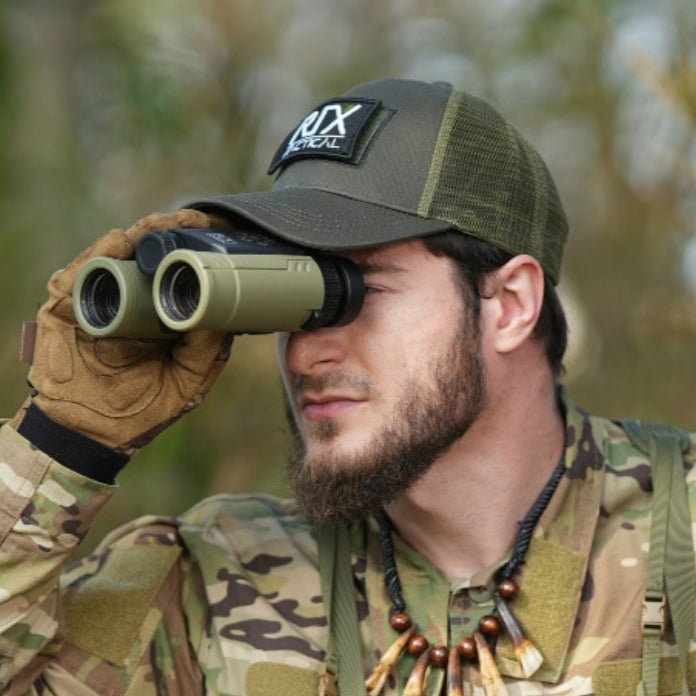
Credit: www.armysurplusworld.com

Credit: huntthenight.com.au
Frequently Asked Questions
What Features Do Police Rescue Binoculars Have?
Police rescue binoculars have high magnification, durability, and waterproofing. They often include night vision or low-light capabilities for better visibility in tough conditions.
Why Do Police Rescue Teams Prefer Compact Binoculars?
Compact binoculars are lightweight and easy to carry during operations. Their portability allows quick movement and hands-free use, which is vital for rescue missions.
How Do Binoculars Help In Police Rescue Operations?
Binoculars enhance distant vision, helping teams spot victims or hazards early. They improve situational awareness, aiding strategic planning and safer rescue execution.
Are Night Vision Binoculars Essential For Rescue Teams?
Yes, night vision binoculars are crucial for operations in darkness. They allow teams to see clearly without exposing their position with bright lights.
Conclusion
Police rescue teams rely on strong, clear binoculars every day. These tools help them see far and act fast. Durability and good vision are key features they need. Choosing the right binoculars can make a big difference in rescue work.
Clear images and easy use save precious time. Teams trust models that work well in tough conditions. The right binoculars support safety and success on every mission.