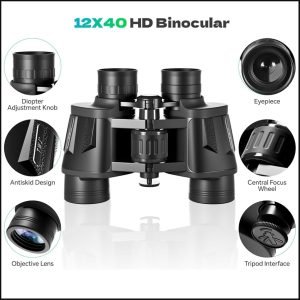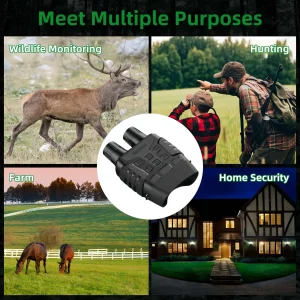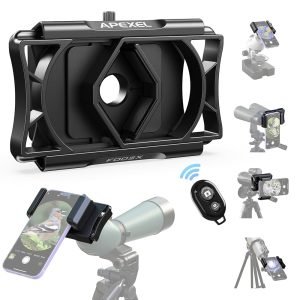
Are you looking for the perfect binoculars that fit seamlessly with your helmet for search and rescue (SAR) missions? Choosing the right gear can make all the difference when every second counts.
You need binoculars that are not only powerful and clear but also comfortable and compatible with your helmet setup. You’ll discover which binoculars work best with helmets, helping you stay focused and ready for action. Keep reading to find the ideal match that enhances your performance and keeps you safe on every mission.

Credit: goodnitegearshop.com
Sar Helmet Compatibility Basics
Search and rescue (SAR) teams often use helmets to protect their heads. It is important to know which binoculars work well with these helmets. Not all binoculars fit or mount easily on every helmet type.
This guide explains the basics of SAR helmet compatibility. You will learn about helmet types, mounting systems, and what to check before choosing binoculars for SAR use.
Key Helmet Types In Sar
SAR helmets come in different styles. Each style offers unique features for protection and comfort. Knowing the helmet type helps select the right binoculars that fit well.
- Hard Shell Helmets: Strong outer shell with padding inside.
- Composite Helmets: Made from lightweight materials like carbon fiber.
- Full-Brim Helmets: Have a wide brim for extra protection from sun and rain.
- Open-Face Helmets: Cover the top and sides but leave the face open.
Mounting Systems Explained
Mounting binoculars on helmets requires specific systems. These systems keep binoculars steady and easy to use. Some mounts attach directly to the helmet, while others use straps or clips.
| Mount Type | Description | Helmet Compatibility |
|---|---|---|
| Velcro Mount | Uses Velcro pads to hold binoculars in place. | Works well with fabric or padded helmets. |
| Clip Mount | Clips attach binoculars to helmet edges. | Best for hard shell helmets with edges. |
| Strap Mount | Straps wrap around helmet securing binoculars. | Fits most helmet types, adjustable. |
| Rail Mount | Slides onto helmet rails designed for accessories. | Compatible with helmets that have accessory rails. |
Essential Compatibility Factors
Several factors affect how well binoculars work with SAR helmets. Checking these factors helps ensure comfort and usability during missions.
- Weight: Binoculars should be lightweight to avoid neck strain.
- Size: Compact binoculars fit better under or on helmets.
- Mounting Options: Choose binoculars with mounts matching your helmet type.
- Field of View: Wide view helps in fast search tasks.
- Durability: Binoculars must withstand rough conditions.
Credit: kula-tactical.com
Top Binocular Features For Sar Helmets
Search and rescue (SAR) teams need binoculars that fit well on helmets. The right binoculars help rescuers see clearly and keep hands free. This guide explains key features to look for in binoculars compatible with SAR helmets.
Choosing binoculars with the right size, optical quality, and durability is important. These factors improve safety and efficiency during rescue missions.
Weight And Size Considerations
Binoculars must be lightweight to avoid neck strain during long operations. Compact size helps keep the helmet balanced and comfortable. Bulky binoculars can cause discomfort and reduce mobility.
Small binoculars fit better with helmet mounts. They also reduce the chance of knocking the binoculars off during movement.
- Weight under 500 grams is ideal
- Compact design fits helmet mounts
- Low profile to avoid snagging
- Easy to handle with gloves
Optical Performance Needs
Clear images help rescuers spot details far away. Binoculars should have good magnification and a wide field of view. Bright and sharp images improve identification in low light.
Binoculars with adjustable focus allow quick changes for different distances. Lens coatings reduce glare and improve contrast during bright or foggy conditions.
- Magnification between 6x and 10x
- Wide field of view for scanning
- High-quality lens coatings
- Adjustable focus system
Durability And Weather Resistance
Binoculars must withstand harsh environments. They need to be shockproof and water-resistant. Dust and fog inside lenses reduce visibility and must be avoided.
Look for binoculars with rubber armor for extra grip and impact protection. Weatherproof seals keep moisture and dust out during rain or snow.
- Waterproof and fog-proof design
- Rubber armor for shock resistance
- Sealed to keep out dust and moisture
- Temperature resistant for cold and heat
Best Binoculars For Helmet Use 2025
Using binoculars with helmets is common in search and rescue (SAR) missions. The right binoculars fit well and work smoothly with helmets.
This guide covers binoculars that fit helmets. It shows compact, high-performance, and budget-friendly options for SAR work.
Compact And Lightweight Models
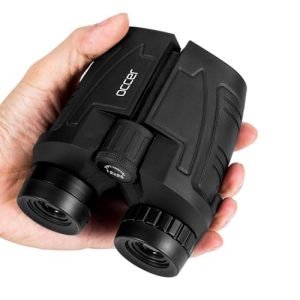
Compact binoculars are easy to carry and do not add much weight to your helmet. They allow quick movement and reduce neck strain during long missions.
- Look for binoculars under 400 grams for comfort.
- Models with rubber grips prevent slipping when used with gloves.
- Waterproof and fog-proof features help in tough weather.
- Close focus distance is important for near and far viewing.
High-performance Optics Picks
High-performance binoculars provide clear images and strong zoom. These are good for detailed searches in different light conditions.
| Feature | Benefit |
| Large Objective Lens (42mm+) | More light for better clarity |
| High Magnification (8x to 12x) | See distant targets clearly |
| Image Stabilization | Reduces shaking for steady views |
| Multi-coated Lenses | Improves brightness and contrast |
| Helmet Mount Compatibility | Secure fit without blocking view |
Budget-friendly Options
Budget binoculars can still work well for SAR teams on a budget. Focus on durability and essential features.
- Choose models with waterproof and shockproof cases.
- Simple focus systems help quick adjustments.
- Look for binoculars with a helmet adapter included.
- Check user reviews to find reliable brands.
Mounting Solutions For Binoculars
Using binoculars with helmets during search and rescue (SAR) missions needs secure mounting. Proper mounts keep your binoculars stable and hands-free. This helps you focus on the task and stay safe.
There are different types of mounts for helmets. Some are simple and homemade, while others are made professionally. Each type has benefits depending on your needs and gear.
Popular Helmet Mount Types
Helmet mounts come in many styles. The most common are the following:
- Clamp Mounts:Attach directly to the helmet’s edge or rails.
- Velcro Straps:Wrap around the helmet and hold the binoculars in place.
- Ball and Socket Mounts:Allow for easy angle adjustments and rotation.
- Magnetic Mounts:Use strong magnets for quick attachment and removal.
Diy Vs. Commercial Mounts
| DIY Mounts | Commercial Mounts |
| Cost-effective and customizable | Designed for durability and safety |
| May lack professional-grade materials | Tested for secure fit and comfort |
| Requires tools and skills to build | Easy to install and use |
| Can be less reliable in tough conditions | Offer warranty and support |
Choose DIY mounts if you want a simple and cheap option. Select commercial mounts for better safety and ease of use.
Adjustability And Comfort Tips
Comfort is key when using helmet mounts for binoculars. Adjustable mounts help fit different helmet sizes and shapes. Here are some tips:
- Check the mount’s swivel range to move binoculars easily.
- Use padded straps or mounts to reduce pressure points.
- Test the setup with your helmet and gear before field use.
- Keep mounts lightweight to avoid neck strain.
- Make sure mounts do not block your vision or helmet vents.
User Tips For Helmet And Binocular Setup
Using binoculars with a helmet during search and rescue (SAR) missions requires careful setup. The right fit helps you see clearly and stay safe.
Adjusting weight, quick release, and care will improve your experience in the field. These tips help keep your gear ready and comfortable.
Balancing Weight And Stability
Heavy binoculars can make your helmet uncomfortable and unstable. Balance the weight evenly to avoid neck strain and wobbling.
Use lightweight binoculars or mounts designed for helmets. Secure the binoculars firmly to keep them steady while moving.
- Choose compact, lightweight binoculars
- Use padded mounts to spread weight
- Adjust straps for a snug fit
- Test stability by moving your head slowly
Quick Release Mechanisms
Quick release mounts let you attach and remove binoculars fast. This feature saves time during urgent situations.
Make sure your helmet mount has a secure but easy-to-use quick release. Practice using it before heading out.
- Check the release button for smooth operation
- Keep the mechanism clean and free of debris
- Test the mount’s locking strength regularly
- Use a tether to prevent loss after release
Maintenance And Care
Proper care extends the life of your binoculars and helmet mount. Clean and inspect them often to avoid damage.
Store your gear in a dry place. Check for loose parts and fix them before missions.
- Wipe lenses with a soft cloth
- Lubricate moving parts lightly
- Check helmet straps for wear
- Store gear in a padded case
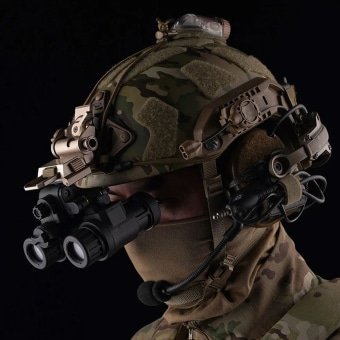
Credit: kula-tactical.com
Frequently Asked Questions
What Binoculars Fit Sar Helmets Effectively?
Binoculars with adjustable straps or adaptable mounts work well with SAR helmets. Look for models that are lightweight and compact. Some binoculars also offer clip-on or head-mounted options. Ensure the binoculars are durable and water-resistant for challenging rescue environments.
Are Helmet-compatible Binoculars Expensive?
Prices vary, but helmet-compatible binoculars can be affordable. Costs depend on features like night vision, waterproofing, and durability. Basic models start around $50, while advanced versions can exceed $500. Assess your specific needs to find the right balance between cost and features.
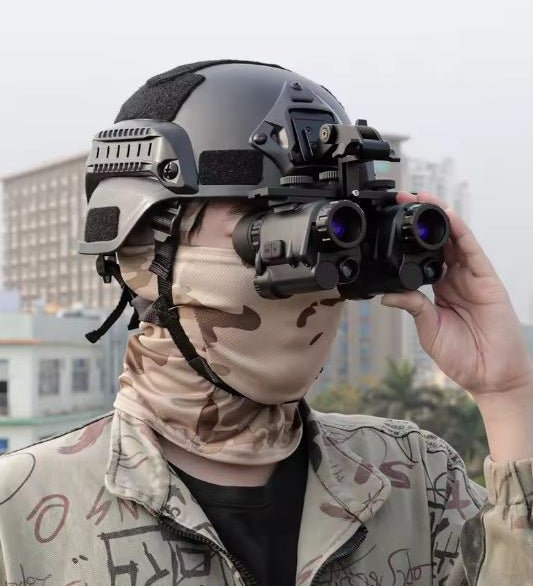
Can I Use Night Vision Binoculars With Helmets?
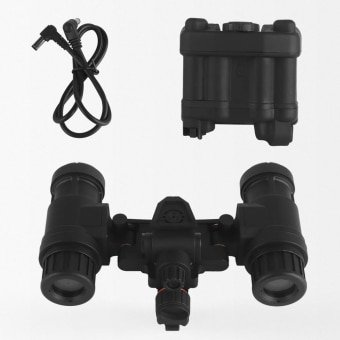
Yes, night vision binoculars can be helmet-compatible. Look for models with adjustable mounts or head straps. They provide enhanced visibility in low-light conditions, crucial for SAR operations. Ensure they are lightweight and durable to withstand rugged use during rescue missions.
How Do I Attach Binoculars To A Helmet?
Use adjustable mounts or specialized clips to attach binoculars to helmets. Ensure a secure fit to prevent slippage during movement. Some binoculars come with built-in helmet compatibility, simplifying the attachment process. Check compatibility with your specific helmet model for best results.
Conclusion
Choosing binoculars that fit well with helmets improves safety and vision. Compact and lightweight models work best for search and rescue tasks. Look for binoculars with secure mounts to keep them steady. Clear lenses help you see details during missions.
Comfort matters too—both for the helmet and binoculars. The right pair supports quick decisions and better teamwork. Stay focused on quality and compatibility above all. This ensures you perform well in critical moments.