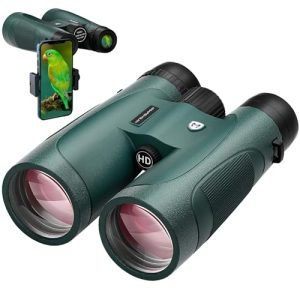
Have you ever wondered if your ED binoculars can handle an accidental drop? You rely on these tools to bring distant scenes into sharp focus, but what happens when they slip from your hands?
Knowing how tough your binoculars really are can save you from costly repairs and disappointment. You’ll discover how ED binoculars stand up to drops, what to expect if they take a fall, and how to protect your gear so it keeps performing at its best.
Keep reading to find out if your binoculars can survive the unexpected—and what you should do if they don’t.

Credit: www.ebay.com
Ed Binoculars Design Features
ED binoculars are built with special design features that help them last. These features help protect the binoculars from damage if they are dropped. Understanding these features shows how well they can survive drops.
Strong materials and smart design parts work together to keep ED binoculars safe. These features also improve the viewing experience and make the binoculars reliable outdoors.
Materials Used
ED binoculars use materials that are both strong and light. These materials help the binoculars resist damage from falls. Common materials include rubber, aluminum, and high-quality glass.
Rubber covers protect the outer body and provide a good grip. Aluminum frames keep the binoculars light but strong. The lenses use special glass to keep images clear and sharp.
- Rubber coating for protection and grip
- Aluminum or magnesium alloy frames
- Extra-low dispersion glass lenses
Build Quality
Build quality means how well the parts fit and work together. ED binoculars have tight seals to keep out dust and water. This also helps them stay safe if dropped in rough conditions.
Strong hinges and solid body parts reduce the chance of breakage. Each piece is tested to meet high standards. This makes the binoculars last longer even with rough use.
- Waterproof and fog-proof seals
- Strong, reinforced hinges
- Precision assembly for durability
Shock Absorption Elements
Shock absorption parts help protect the binoculars from impact. Many ED binoculars have rubber armor that absorbs shocks. This reduces damage if the binoculars fall or hit hard surfaces.
Inside, some binoculars have padding or cushions around sensitive parts. These elements stop vibrations and shocks from damaging the lenses or internal parts.
- Rubber armor covers the body
- Internal padding protects lenses
- Shock-absorbing materials reduce impact force

Credit: www.amazon.ca
Common Causes Of Damage From Drops
Dropping binoculars can cause many types of damage. The force from the fall affects different parts. Some damages are visible outside. Others happen inside and are harder to see.
Understanding where binoculars break helps users handle them better. This guide explains common impact points and internal parts that get damaged by drops.
Impact Points
Binoculars have many areas that take the brunt of a fall. These points often show cracks, dents, or broken pieces. Protecting these parts reduces damage risk.
- Lens edges can chip or crack on impact.
- Eyecups may snap or bend out of shape.
- Body hinges can loosen or break.
- Rubber armor may tear or peel off.
- Focus wheel may stop turning smoothly.
Internal Component Vulnerability
Inside binoculars, delicate parts can suffer even if the outside looks fine. Drops cause misalignment or damage that affects viewing quality.
| Internal Part | Possible Damage | Effect on Use |
|---|---|---|
| Prism system | Shifted or cracked prisms | Blurry or doubled images |
| Lens alignment | Displaced lenses | Loss of focus or clarity |
| Focus mechanism | Broken gears or rods | Hard or no focusing |
| Seals and coatings | Cracks or breaks | Water or dust entry |
Durability Testing Methods
Testing binoculars for durability helps understand how they hold up under tough conditions. This is important for users who want reliable equipment in the field.
Durability tests focus on how binoculars survive impacts, like drops, and how they perform after real-world use. These tests guide buyers on what to expect.
Drop Test Procedures
Drop tests check if binoculars can survive falls from certain heights. This simulates accidental drops during use or transport.
- Binoculars are dropped from 1 meter height onto a hard surface.
- Each drop is done on different sides: front, back, and edges.
- After each drop, binoculars are inspected for cracks or damage.
- Optical clarity and focusing ability are tested post-drop.
- Tests may repeat multiple times to confirm durability.
Field Testing Experiences
Field tests involve using binoculars in real outdoor conditions for days or weeks. This gives insight into how they survive daily wear and tear.
| Test Type | Observed Result |
| Rain Exposure | No water leakage, clear view |
| Dust and Dirt | Minimal lens scratching, easy cleaning |
| Drop Impact | Minor cosmetic scratches, full function |
| Temperature Changes | No fogging inside lenses |
| Long-Term Use | Durable frame, reliable performance |
User Experiences With Drops
Many users want to know if Ed binoculars can survive being dropped. Drops happen often during outdoor use. People share their real-life stories to help others understand the durability of these binoculars.
Reading about actual experiences can give a clear idea of what to expect after an accidental fall. Some binoculars hold up well, while others need repairs.
Survival Stories
Many users report that their Ed binoculars survived drops from moderate heights. Some dropped them from about 3 to 5 feet and the binoculars still worked fine. The sturdy build and rubber armor helped protect the lenses and body.
In some cases, the binoculars only had small scratches or scuffs. Users say these marks did not affect the viewing quality. They were able to keep using the binoculars without any problems after the drop.
- Dropped from 4 feet, no damage reported
- Rubber casing absorbed shock well
- Clear images even after falls
- Minor cosmetic scratches only
Failures And Repairs
Some users experienced issues after drops. Problems like misaligned lenses or loose parts made the binoculars hard to use. In many cases, the internal parts were damaged by the impact.
Repairs often involved realigning lenses or fixing the focusing mechanism. Some users sent their binoculars to the manufacturer for professional repair. Others fixed minor problems themselves with tools and patience.
- Lens alignment problems
- Focus knob damage
- Internal parts loosening
- Manufacturer repair recommended
Protective Accessories For Ed Binoculars
ED binoculars are delicate tools that need extra care. Drops and bumps can damage their lenses and body. Using protective accessories helps keep them safe and working well.
There are different kinds of accessories to protect your binoculars. Cases, covers, straps, and harnesses all play a role. Each offers unique benefits to reduce damage from drops.
Cases And Covers
Cases and covers shield ED binoculars from shocks and scratches. They add a layer of padding that absorbs impact. Hard cases offer the best drop protection. Soft covers guard against dust and minor bumps.
- Hard cases: made of plastic or metal, protect from strong impacts
- Soft covers: made of neoprene or fabric, protect from dust and light scratches
- Custom-fit cases: designed to fit your binocular model for secure protection
- Waterproof cases: keep binoculars safe from water damage
Straps And Harnesses
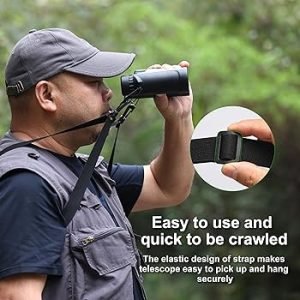
Straps and harnesses keep binoculars close and prevent drops. They offer hands-free carrying and reduce strain on your neck and shoulders. Using the right strap can stop accidental falls and damage.
| Accessory | Purpose | Benefit |
| Neck strap | Holds binoculars around the neck | Easy access, reduces chance of dropping |
| Chest harness | Secures binoculars on the chest | Distributes weight, keeps binoculars stable |
| Shoulder strap | Carries binoculars on one shoulder | Comfortable for long use |
| Quick-release strap | Allows fast removal of binoculars | Convenient for sudden use |
Credit: oberwerk.com
Tips To Enhance Binocular Longevity
Binoculars can be tough, but drops can still cause damage. Taking care of them helps them last longer.
Simple habits and regular care keep your binoculars working well for many years.
Handling Practices
Hold binoculars firmly and avoid sudden moves. Use a neck strap to prevent accidental drops.
Keep binoculars in a padded case when not in use. Avoid placing them on unstable surfaces.
- Always use both hands when holding binoculars
- Attach and use a neck or wrist strap
- Store binoculars in a soft, padded case
- Do not leave binoculars on edges or unstable spots
- Carry binoculars carefully during outdoor activities
Maintenance Routines
Clean lenses gently with a soft cloth. Avoid using harsh chemicals or rough materials.
Check for loose parts and tighten them carefully. Store binoculars in a dry place to prevent damage.
- Use a lens cleaning cloth or brush
- Do not use household cleaners on lenses
- Inspect screws and tighten if loose
- Keep binoculars dry and avoid moisture
- Store in a cool, dry environment
Frequently Asked Questions
Can Ed Binoculars Withstand Accidental Drops?
Ed Binoculars are designed with durable materials to resist minor drops. However, severe impacts may affect their performance or alignment. Using a protective case enhances their drop resistance and longevity.
What Features Make Ed Binoculars Drop-resistant?
Ed Binoculars feature rubber armoring and shock-absorbent housing. These materials help cushion impacts and reduce damage from falls. Their compact, sturdy build also contributes to increased durability.
How To Protect Ed Binoculars From Drop Damage?
Always use a padded case or strap while carrying Ed Binoculars. Avoid placing them on unstable surfaces or edges. Regularly inspect and clean them to maintain optimal function after any impact.
Are Ed Binoculars Covered For Drop Damage Warranty?
Most Ed Binoculars come with a limited warranty covering manufacturing defects, not accidental drops. Check the specific warranty terms for your model to understand coverage and repair options.
Conclusion
ED binoculars often handle small drops well due to their sturdy build. Still, big falls can cause damage to lenses or focus. Many models include shockproof features that help protect internal parts. Proper care and using straps reduce the risk of accidents.
Choosing a durable pair matters for outdoor use. Remember, no binocular is fully drop-proof. Treat them gently to keep views clear and sharp. So, think about your needs and how tough you want your binoculars to be. Safety first, for better birdwatching or hiking experiences.