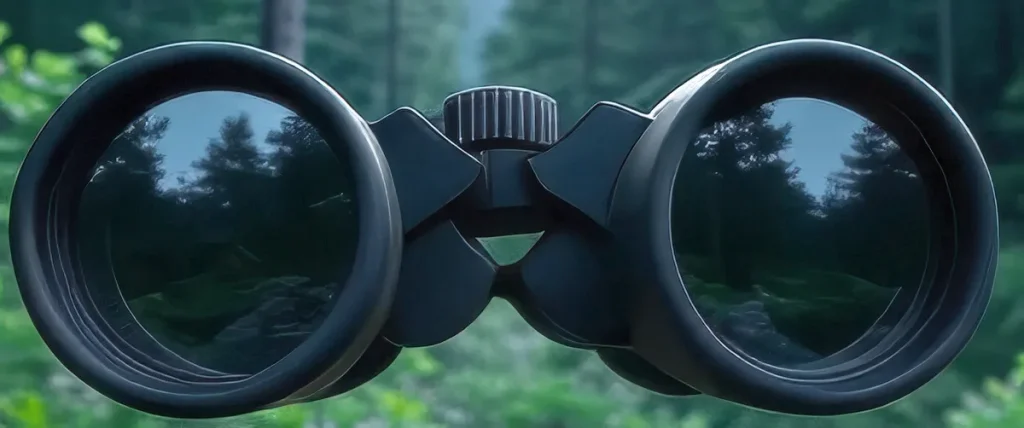
When it comes to protecting critical infrastructure, having the right tools can make all the difference. You need binoculars that deliver clear, precise views without any hassle.
But with so many options out there, how do you know which ones truly meet your needs? This guide will help you find binoculars designed for sharp observation, durability, and reliability—so you can keep a close eye on what matters most.
Keep reading to discover the top features and models that will give you confidence and clarity every time you look through your lenses.
Key Features For Critical Infrastructure Binoculars
Choosing the right binoculars is essential for monitoring critical infrastructure. The features must meet the demands of security and surveillance tasks. This guide explains the key elements to consider.
Each feature affects how well binoculars perform in tough environments and long hours of use. Understanding these features helps you select the best binoculars for critical infrastructure.
Magnification And Lens Size
Magnification shows how much closer objects appear. Lens size controls how much light enters the binoculars. For critical infrastructure, balance is key.
- Magnification of 8x to 12x offers clear, stable views.
- Lens size between 42mm and 50mm provides good brightness.
- Higher magnification can cause shakiness without support.
- Large lenses improve visibility in low light conditions.
Durability And Weather Resistance
Binoculars must withstand harsh weather and rough use. Look for strong materials and sealing that protect against moisture and dust.
| Feature | Importance |
| Rubber Armor Coating | Shock absorption and grip |
| Waterproof Seals | Protection against rain and splashes |
| Fog-proof Design | Clear views in changing temperatures |
| Corrosion-resistant Body | Long-lasting use outdoors |
Image Clarity And Lens Coatings
Clear images help identify details at a distance. Quality lens coatings reduce glare and improve light transmission.
Look for binoculars with multi-coated lenses. These coatings enhance color and contrast. They also protect the lenses from scratches.
Field Of View And Eye Relief
The field of view shows how wide the area appears through the binoculars. Eye relief is the distance your eye can be from the lens and still see the full view.
- Wide field of view helps scan large areas quickly.
- At least 15mm eye relief is best for users with glasses.
- Good eye relief reduces eye strain during long use.
- Balanced field of view and magnification improves tracking moving targets.
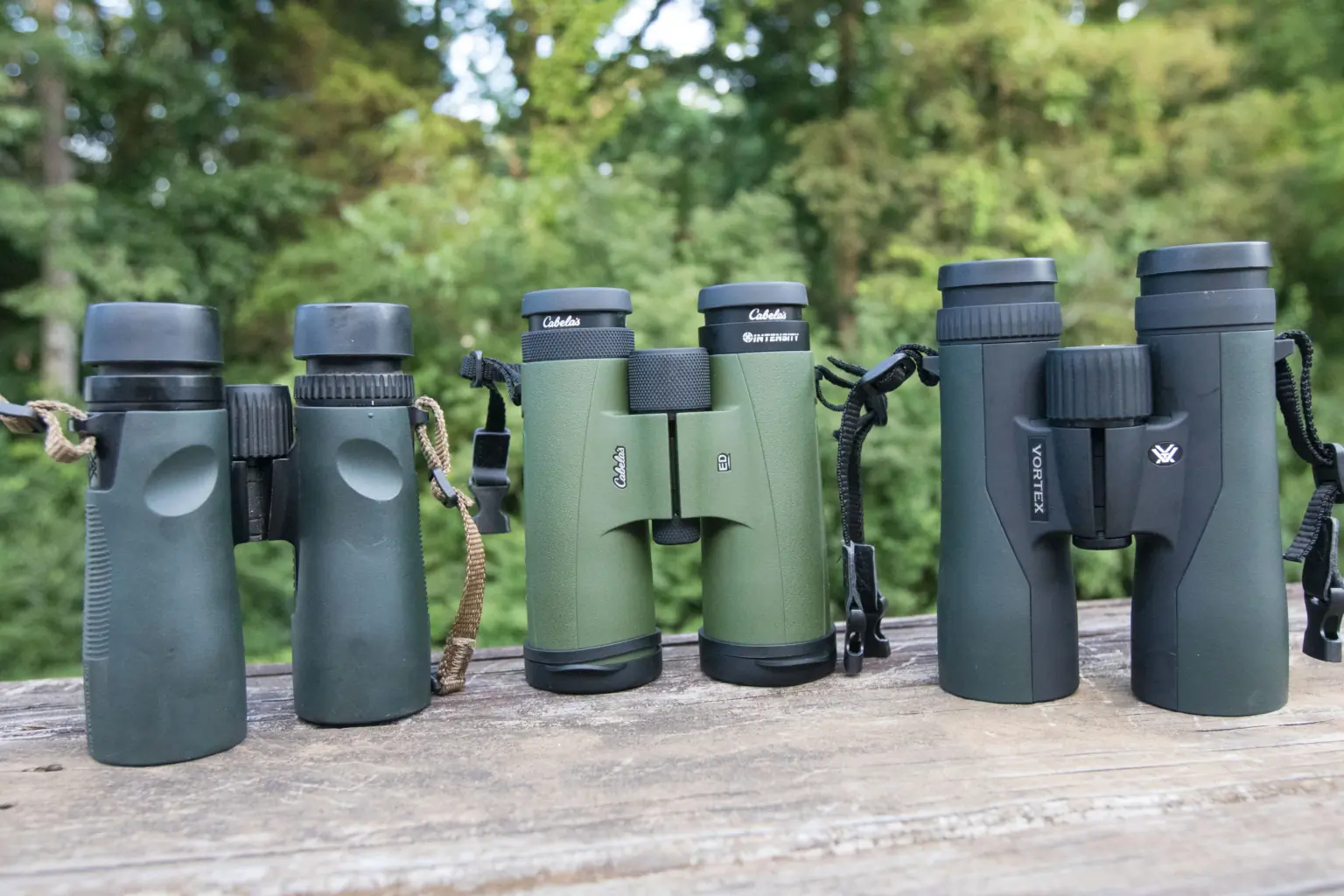
Credit: gearjunkie.com
Types Of Binoculars Suitable For Infrastructure
Choosing the right binoculars is important for inspecting critical infrastructure. Different types serve different needs. Understanding their features helps in making the best choice.
Binoculars help in viewing details from a distance. They improve safety and accuracy during inspections. Here are common types used for infrastructure work.
Compact Binoculars
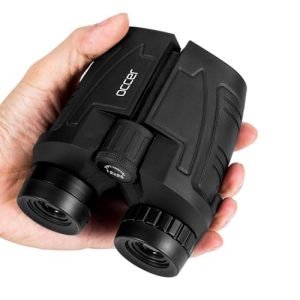
Compact binoculars are small and light. They are easy to carry around large sites. These binoculars are good for quick checks and close-range viewing.
Full-size Binoculars
Full-size binoculars offer better image quality. They have larger lenses for clearer views at long distances. These binoculars are ideal for detailed inspections.
- Provide higher magnification
- Better light gathering in low light
- Heavier and less portable
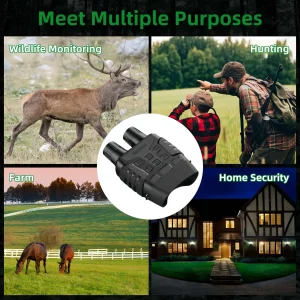
Night Vision Binoculars
Night vision binoculars allow viewing in darkness. They use infrared technology to see without light. These are useful for night inspections or low-light conditions.
| Feature | Benefit |
| Infrared illumination | See in complete darkness |
| Image enhancement | Clear view in low light |
| Battery powered | Portable but limited use time |
Rangefinder Binoculars
Rangefinder binoculars measure distance to objects. They combine optics with laser technology. These binoculars help assess size and location precisely.
- Measure distance quickly
- Useful for mapping and surveying
- Improve safety by knowing exact ranges
Top Brands And Models To Consider
Choosing the right binoculars is important for monitoring critical infrastructure. The right model helps see details clearly at long distances.
Several brands offer binoculars designed for durability and sharp vision. This guide covers options in different price ranges.
High-end Professional Options
High-end binoculars provide the best clarity and durability. They are built to last in tough environments.
These models often have extra features like waterproofing, fog-proof lenses, and wide fields of view.
- Leica Geovid HD-B: Known for sharp optics and rangefinding
- Zeiss Victory SF: Offers bright images and wide viewing angles
- Vortex Razor HD: Durable with excellent light transmission
Mid-range Reliable Choices
Mid-range binoculars balance quality and price. They suit daily use without high costs.
These models deliver good image clarity and are often weather-resistant.
- Nikon Monarch 5: Clear images and solid build quality
- Celestron TrailSeeker: Lightweight with good magnification
- Bushnell Legend Ultra HD: Bright optics and waterproof design
Budget-friendly Alternatives
Budget binoculars work for basic observation tasks. They offer decent performance at low cost.
Expect less sharpness and fewer features, but many are sturdy enough for casual use.
- Aurosports 10×42: Affordable and easy to use
- Oberwerk 10×42: Good value with clear images
- Bushnell Falcon 10×50: Wide view and durable design

Credit: modernsurvivalblog.com
Additional Accessories For Enhanced Use
Choosing the right binoculars for critical infrastructure is important. Adding the right accessories can improve your experience.
Accessories help protect your equipment and make it easier to use for long periods. They keep your view clear and steady.
Tripods And Mounts
Tripods and mounts provide a stable base for your binoculars. They reduce hand shake and help you observe details clearly.
- Lightweight tripods are easy to carry and set up.
- Adjustable mounts help position binoculars at the perfect angle.
- Quick-release systems allow fast attachment and removal.
- Some mounts can be fixed to vehicles for mobile use.
Protective Cases
Protective cases keep binoculars safe from dust, moisture, and impacts. They extend the life of your equipment.
| Type | Features | Best Use |
| Hard Case | Shockproof, water-resistant | Field work, rough conditions |
| Soft Case | Lightweight, padded | Light travel, storage |
| Neoprene Sleeve | Water-resistant, flexible | Quick carry, everyday use |
Lens Cleaning Kits
Keeping lenses clean ensures clear views. Lens cleaning kits have tools designed for safe cleaning.
Common items in lens cleaning kits include:
- Microfiber cleaning cloths to avoid scratches
- Lens cleaning solution to remove smudges
- Air blowers to remove dust without touching lenses
- Brushes for gentle dust removal
Maintenance Tips For Longevity
Using binoculars for critical infrastructure requires care to keep them working well. Proper maintenance helps them last long and stay clear.
Regular upkeep prevents damage and ensures sharp views during inspections or surveillance tasks.
Cleaning And Storage
Clean binocular lenses gently with a soft cloth. Avoid using rough materials that can scratch the glass.
Store binoculars in a dry place, away from direct sunlight and dust. Use a case to protect them from bumps.
- Use a lens brush or blower to remove dust
- Wipe lenses with a microfiber cloth only
- Keep binoculars in a padded case when not in use
- Store in a cool, dry area to prevent moisture damage
Regular Inspection
Check binoculars often for any signs of wear or damage. Look for loose parts, scratches, or fog inside the lenses.
Early detection helps fix small issues before they become bigger problems that affect performance.
- Inspect lens coatings for scratches or dirt
- Check focusing mechanisms for smooth movement
- Look for loose screws or cracked parts
- Test for fogging or moisture inside lenses
Handling Precautions
Handle binoculars with care to avoid drops and impacts. Use neck straps or harnesses to keep them secure during use.
Do not force any moving parts. Gentle handling extends the life of binoculars and keeps the view clear.
- Hold binoculars firmly but gently
- Use straps to prevent accidental drops
- Avoid touching lenses with fingers
- Do not force focus or zoom controls

Credit: modernsurvivalblog.com
Frequently Asked Questions
What Features Matter Most In Binoculars For Infrastructure?
Durability, magnification, field of view, and weather resistance are key features. Clear optics help monitor large areas effectively. Ergonomic design ensures comfort during extended use. These features enhance security and surveillance efficiency in critical sites.
Which Magnification Is Ideal For Infrastructure Surveillance?
8x to 12x magnification is ideal. It balances detail clarity and stability. Higher magnifications can cause image shakiness. This range suits long-distance observation without compromising image quality.
Are Waterproof Binoculars Necessary For Critical Infrastructure?
Yes, waterproof binoculars are essential. They withstand rain, fog, and harsh weather. This ensures reliable performance in all conditions. Moisture protection extends the lifespan of the binoculars.
How Important Is Low-light Performance In Binoculars?
Very important for dawn, dusk, and night monitoring. Good low-light optics capture clearer images in minimal light. This improves security during low visibility periods. Look for wide objective lenses and quality prisms.
Conclusion
Choosing the right binoculars ensures clear and reliable views of critical sites. Opt for models with strong zoom and good light gathering. Durability matters for tough outdoor conditions. Comfort and ease of use help during long watches. Always check for weather resistance and image clarity.
The right binoculars improve safety and monitoring efforts. Trust your choice to support important security tasks well.