When you’re out in the countryside, every second counts during a rescue mission. You need tools that help you see clearly over long distances and spot signs of life quickly.
But are binoculars really the right choice for rural rescue missions? Could they make your job easier, or might they slow you down? You’ll discover how binoculars can impact your search efforts and whether they deserve a spot in your rescue gear.
Keep reading to find out if binoculars are the game-changer you’ve been looking for.

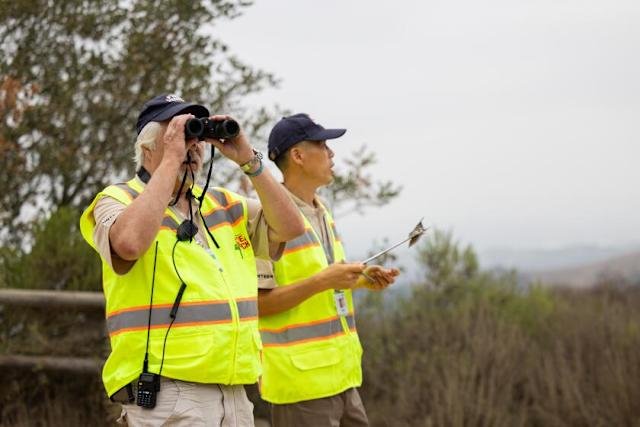
Credit: www.capradio.org
Benefits Of Binoculars In Rural Rescue
Binoculars help rescue teams see far distances clearly. They are useful in large open areas found in rural locations.
Using binoculars can improve the speed and safety of rescue missions. They allow teams to spot dangers and find people quickly.
Enhanced Visual Range
Binoculars increase how far rescuers can see. This helps cover more ground without moving closer. Rescuers can spot signals or signs from a distance.
Improved Target Identification
Binoculars help rescue teams identify people or objects clearly. This reduces mistakes and saves time. Teams can check details like clothing color or shapes.
- Spot injured people faster
- Distinguish animals from humans
- Identify landmarks for navigation
- Detect signals like flashlights or flags
Safety Advantages
| Safety Aspect | How Binoculars Help |
|---|---|
| Avoiding Hazards | See dangerous terrain or wildlife before approaching |
| Staying in Safe Zones | Monitor surroundings from a distance |
| Coordinating Team | Signal and track team members easily |
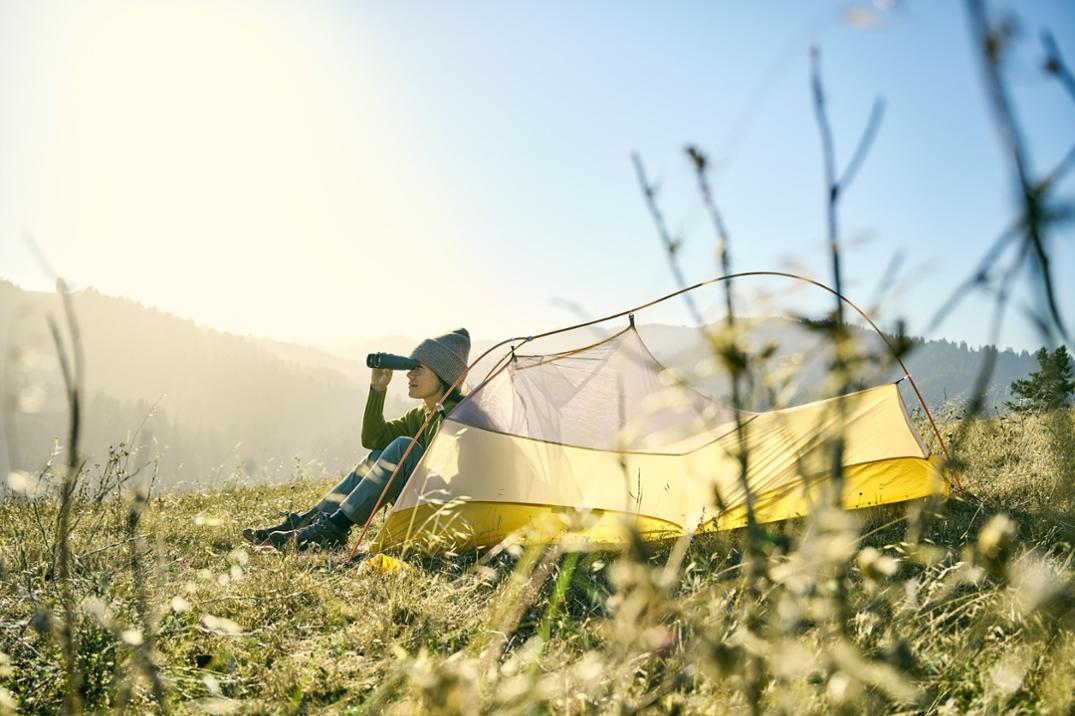
Credit: www.rei.com
Key Features To Consider
Binoculars are useful tools for rural rescue missions. Picking the right pair makes a big difference. Knowing what to look for helps rescuers work better.
Four main features matter most: magnification power, field of view, durability, and weight. Each affects how well binoculars perform in tough conditions.
Magnification Power
Magnification shows how much closer objects appear. For rural rescue, a balance is key. Too high magnification makes images shaky. Too low limits detail.
Most rescuers use binoculars with 7x to 10x magnification. This range offers clear images without too much hand shake.
Field Of View
Field of view is how wide an area you see through the binoculars. A wide field helps spot people or objects quickly. Narrow view means more scanning needed.
- Wide field of view covers more ground fast
- Narrow field shows more detail in smaller areas
- Choose wider views for open rural spaces
Durability And Weather Resistance
| Feature | Why It Matters | What to Look For |
| Waterproof | Protects inside parts from rain | Sealed and o-ring construction |
| Fogproof | Prevents lens fog in cold or humid | Nitrogen or argon gas filling |
| Shockproof | Withstands drops and rough use | Rubber armoring and strong housing |
Strong binoculars last longer in field work. Weatherproof models work in rain, fog, and dust.
Weight And Portability
Light binoculars help rescuers move fast and stay less tired. Heavy ones can slow down work and cause arm strain.
- Choose compact models for easy carrying
- Use straps or cases to protect gear
- Balance weight with needed features
Comparing Binoculars To Other Tools
In rural rescue missions, selecting the right tool for spotting and observing is key. Binoculars are common but not the only option.
This section looks at how binoculars compare to spotting scopes, night vision devices, and drones.
Binoculars Vs. Spotting Scopes
Binoculars offer a wide view and are easy to carry. Spotting scopes give more detail but are bulkier.
- Binoculars are lighter and faster to use.
- Spotting scopes provide higher magnification and clearer images.
- Spotting scopes usually need a tripod for steady use.
- Binoculars work well for quick scans over a large area.
Using Night Vision Devices
Night vision devices let rescuers see in the dark. Binoculars do not have this ability.
| Feature | Binoculars | Night Vision Devices |
| Use in daylight | Excellent | Good |
| Use in darkness | Poor | Excellent |
| Battery required | No | Yes |
| Weight | Light | Medium to Heavy |
| Cost | Lower | Higher |
Role Of Drones In Rescue
Drones provide aerial views and cover large areas fast. Binoculars need a human to move and look.
- Drones can send live video to rescuers.
- They can reach places too dangerous for people.
- Drones rely on battery power and can be affected by weather.
- Binoculars do not need power and are simpler to use.
Challenges And Limitations
Binoculars can help in rural rescue missions by improving visibility. They allow rescuers to see far away areas quickly. Still, there are some challenges and limits to using binoculars in these missions.
Understanding these challenges helps teams prepare better. It also shows when binoculars may not be the best tool to use.
Low Light Conditions
Binoculars need good light to work well. In early mornings, late evenings, or cloudy days, vision can be poor. Low light makes it hard to see details at a distance.
Without enough light, binoculars cannot improve vision much. This limits their use during night or dark weather rescue operations.
Weather Impact
Weather can reduce binoculars’ effectiveness. Rain, fog, and snow lower visibility. Water drops on lenses blur the view.
- Fog hides distant objects
- Rain causes lens spotting
- Snow can reflect light, causing glare
- Wind may shake hands, making the image unstable
These weather effects make it harder to spot people or landmarks during rescue work.
User Training Requirements
Using binoculars well needs some training. Rescuers must learn how to focus and hold them steady. Poor use causes eye strain and blurred images.
Training also covers reading distances and spotting details. Without practice, binoculars may not improve search success much.
Recommendations For Rescue Teams
Binoculars help rescue teams see distant areas clearly. They improve search and rescue efforts in rural zones.
Choosing the right binoculars and using them well is important. Teams need to maintain and practice with their equipment.
Selecting The Right Model
Pick binoculars with good magnification and wide field of view. Clear images help spot people and landmarks easily.
Models that are waterproof and durable work best in rough outdoor conditions. Lightweight designs reduce fatigue during long searches.
- Magnification: 8x to 10x is ideal
- Objective lens size: 40mm to 50mm for brightness
- Waterproof and fog-proof features
- Lightweight and comfortable to hold
- Good eye relief for use with glasses
Maintenance Tips
Keep binocular lenses clean to ensure clear vision. Use a soft cloth or lens brush to remove dust and dirt.
Store binoculars in a dry place to avoid damage. Check for loose parts and fix them before missions.
- Clean lenses with lens cleaner and cloth
- Keep binoculars in a protective case
- Check for cracks or loose screws regularly
- Avoid touching lenses with fingers
- Dry binoculars thoroughly after use in wet conditions
Training And Practice
Practice using binoculars in different environments. Training helps team members spot targets quickly and accurately.
Teach how to adjust focus and handle binoculars safely. Regular drills improve confidence and speed during real rescues.
- Train on adjusting focus and zoom
- Practice scanning wide areas systematically
- Use binoculars at day and night if possible
- Simulate rescue missions to improve skills
- Review team communication while using binoculars

Credit: www.aol.com
Frequently Asked Questions
Are Binoculars Essential For Rural Rescue Missions?
Yes, binoculars are essential in rural rescues. They help spot victims from a distance, assess terrain, and plan safe routes efficiently.
What Features Should Binoculars Have For Rescue Work?
Look for waterproof, durable, and lightweight binoculars with good magnification and wide field of view. These features enhance usability in tough conditions.
How Do Binoculars Improve Safety During Rural Rescues?
Binoculars allow rescuers to identify hazards and obstacles early. This reduces risks and helps coordinate teams more effectively in remote areas.
Can Binoculars Help Locate Lost Persons In Rural Areas?
Absolutely, binoculars extend visual range, making it easier to spot lost individuals across large, uneven terrains common in rural locations.
Conclusion
Binoculars help rescue teams see far in rural areas. They improve search speed and safety for everyone. Clear vision aids in spotting signs and hazards quickly. Lightweight and easy to carry, binoculars suit rough terrain. Using them can save valuable time during emergencies.
Rescue missions become more effective with this simple tool. Teams can plan better and act faster on findings. Binoculars are a practical choice for rural rescue work.