Have you ever wondered how security teams keep a close watch at tactical checkpoints? If you think regular eyes are enough, think again.
Binoculars play a crucial role in helping officers spot details from a distance, ensuring safety and quick decisions. You’ll discover why binoculars are more than just tools—they’re essential partners in security. Keep reading to find out how they work, what makes them special, and why your next visit to a checkpoint might involve more than just a glance.

Credit: www.shutterstock.com
Role Of Binoculars At Tactical Checkpoints
Binoculars are important tools at tactical checkpoints. They help security personnel see far distances clearly.
Using binoculars improves safety by allowing detailed observation of the area. They support better decision-making.
Enhancing Surveillance Capabilities
Binoculars increase the range of vision beyond normal eyesight. This helps guards watch wide spaces effectively.
They allow clear views of distant objects and people. This helps spot unusual behavior from far away.
- View across large open areas
- Identify details at a distance
- Improve overall checkpoint monitoring
Early Threat Detection
Binoculars help spot threats before they get close. This early warning gives more time to react.
Security teams can identify suspicious activities or objects quickly. This reduces risks at checkpoints.
- Detect hidden weapons or packages
- See suspicious movement from afar
- Alert team members early for action
Monitoring High-risk Areas
Binoculars help watch areas with higher security risks. They give a clear view of entrances and exits.
They allow constant monitoring of places prone to threats. This helps keep the checkpoint safe and secure.
- Observe crowd behavior
- Watch vehicles approaching checkpoint
- Focus on blind spots and hidden spaces
Types Of Binoculars For Tactical Use
Binoculars are important tools at tactical checkpoints. They help officers see far and stay safe. Different types of binoculars suit different needs.
Choosing the right binocular depends on the situation. This guide explains common types used in tactical settings.
Compact Vs. Full-sized Models
Compact binoculars are small and light. They are easy to carry and quick to use. These are good for short checks or fast moves.
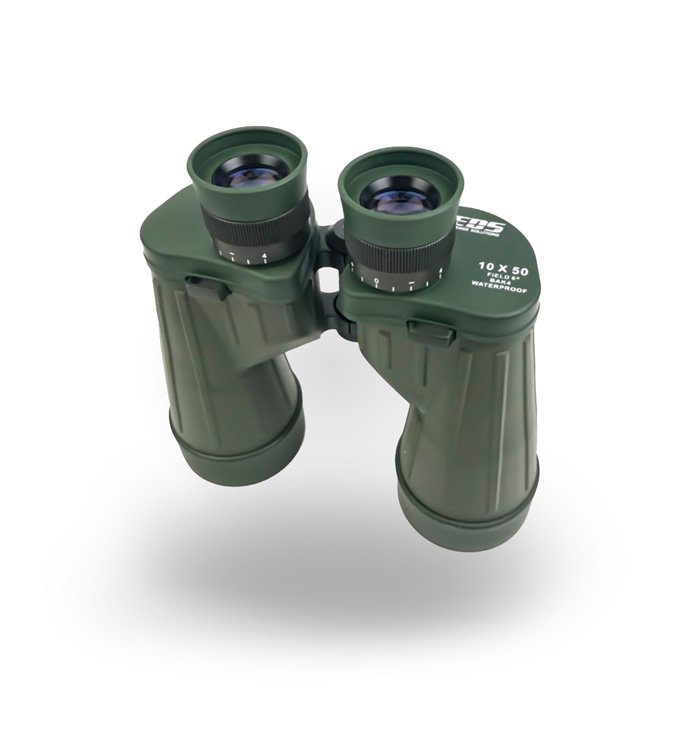
Full-sized binoculars offer better image quality. They have larger lenses to gather more light. These are best for long-distance viewing and detailed observation.
- Compact binoculars weigh less and fit in pockets.
- Full-sized binoculars provide clearer, brighter views.
- Full-sized models may be heavier and bulkier.
- Compact models are faster to deploy in close situations.
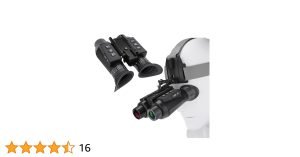
Night Vision Binoculars
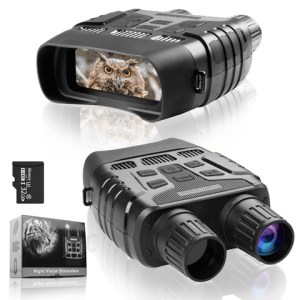
Night vision binoculars let users see in low light. They use special technology to brighten dark scenes. These binoculars are useful during night patrols.
They can detect movement and shapes that normal binoculars miss. This helps officers spot threats in the dark. Night vision binoculars often need batteries to work.
- Use infrared light to improve night visibility.
- Some models combine night vision and regular viewing.
- They are heavier and need power sources.
- Best for checkpoints operating in low light or night.
Rangefinding Features
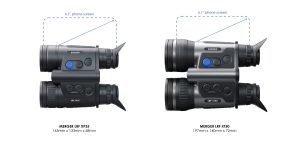
Rangefinding binoculars measure the distance to an object. This helps officers decide how far away a target is. The feature adds accuracy to observations.
These binoculars use lasers or other technology to find distance. They are useful for checkpoints that need precise information about targets. Rangefinding helps with planning and safety.
- Laser rangefinders calculate exact distances.
- Some binoculars combine rangefinding and night vision.
- They are useful for spotting and tracking moving targets.
- Rangefinding adds extra weight and complexity.
Key Features For Tactical Binoculars
Tactical binoculars are essential tools for use at checkpoints. They help security teams see distant objects clearly. Choosing the right binoculars improves safety and effectiveness.
This guide explains the main features to look for in tactical binoculars. Focus on durability, magnification, and weight for best results.
Durability And Weather Resistance
Tactical binoculars must be tough and work in all weather. They often face rain, dust, and rough handling. Look for binoculars with strong housing and waterproof seals.
- Rubber coating protects against shocks and drops
- Waterproof and fog proof features ensure clear views
- Sealed lenses keep out dust and moisture
- Corrosion-resistant materials extend product life
Magnification And Clarity
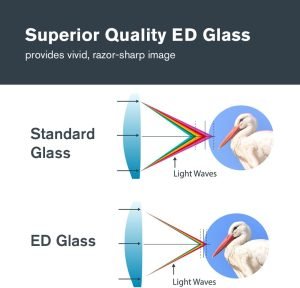
Good binoculars offer clear images and useful zoom levels. Magnification helps identify details at long distances. Clarity depends on lens quality and coatings.
| Feature | Benefit |
| 8x to 10x Magnification | Clear view without shaking |
| Wide Field of View | Easier to scan large areas |
| Multi-coated Lenses | Better light transmission and sharpness |
| Adjustable Focus | Quickly sharpens images at various distances |
Lightweight And Portability
Light binoculars reduce fatigue during long shifts. Portability lets users move fast and stay alert. Compact designs fit easily in gear bags.
- Weight under 1.5 pounds for comfort
- Compact shape for easy carrying
- Strap or harness included for hands-free use
- Durable but lightweight materials like magnesium alloy

Credit: www.amazon.ca
Training And Best Practices
Binoculars play an important role at tactical checkpoints. Proper training ensures their effective use. Best practices help keep the equipment reliable and ready.
This guide covers key areas to focus on when using binoculars in the field. These include handling, integration with other gear, and maintenance.
Proper Handling Techniques
Handling binoculars correctly prevents damage and improves observation quality. Operators must learn steady holding and adjusting focus smoothly.
- Hold binoculars with both hands to avoid shaking
- Use the neck strap to prevent drops
- Adjust the interpupillary distance for comfort
- Focus slowly to avoid losing sight of targets
- Keep lenses clean and free from scratches
Integrating Binoculars With Other Gear
Binoculars work best when combined with other tactical tools. Coordination between devices enhances situational awareness.
| Gear | Integration Tip |
| Radio | Use hands-free setup to allow quick switching |
| Weapon | Keep binoculars accessible without interfering with grip |
| Maps | Use binoculars to confirm landmarks seen on maps |
| Flashlight | Avoid shining light into lenses to prevent glare |
Maintaining Equipment In The Field
Proper upkeep extends binoculars’ life and performance. Field cleaning and storage are key steps.
Follow this checklist for field maintenance:
- Wipe lenses with a soft cloth after use
- Check for dust or moisture inside the lenses
- Store binoculars in a padded case when not in use
- Inspect straps and hinges for wear or damage
- Keep dry and avoid exposing to extreme temperatures
Limitations And Challenges
Binoculars are often used at tactical checkpoints to help officers see distant objects clearly. They improve vision but also come with some limits. These limits can affect how well binoculars work in real situations.
Understanding these challenges helps users prepare better. It also helps them know when binoculars might not be the best tool for the job.
Environmental Factors Impacting Use
Weather conditions like rain, fog, or dust can make binoculars less effective. Dirt or water on the lenses can blur the view. Bright sunlight can cause glare, making it hard to see details.
Temperature changes can also affect the binoculars. Cold weather might cause lenses to fog up inside. Hot weather can make the device uncomfortable to hold or use for long times.
- Rain and fog reduce visibility
- Dust and dirt blur lenses
- Glare from bright light affects clarity
- Temperature changes cause fogging
Potential For Detection
Using binoculars at checkpoints can make the user more visible. The device’s size and shape can catch the eye of people nearby. This can reduce the element of surprise or stealth.
Shiny lenses or reflections from binoculars can reveal a user’s location. Movement while looking through binoculars also draws attention. This can be a problem in sensitive or dangerous areas.
- Binoculars are large and easy to spot
- Lens reflections can reveal position
- User movement can attract attention
- Stealth is harder with binoculars
Battery Life And Maintenance Issues
Some binoculars have built-in electronics like night vision or range finders. These need batteries to work. Battery life can limit how long the binoculars can be used without recharging or replacement.
Regular cleaning and care are needed to keep binoculars working well. Dirt, moisture, and rough handling can damage lenses or moving parts. Poor maintenance reduces the binoculars’ lifespan and performance.
- Electronic parts need batteries
- Batteries can run out during use
- Regular cleaning prevents damage
- Careless use shortens device life
Future Trends In Tactical Optics
Tactical checkpoints often use binoculars to improve vision. Technology is changing how these tools work. New features help users see clearly and act faster.
This article looks at future trends in tactical binoculars. It covers digital advances, drone integration, and better image stabilization.
Advances In Digital Binoculars
Digital binoculars now offer features like night vision and thermal imaging. These help see in dark or smoky conditions. They also allow zooming without losing image quality.
- High-resolution digital screens
- Built-in recording capabilities
- Automatic target tracking
- Wireless data sharing
Integration With Drones And Sensors
Drones can carry cameras linked to binoculars. This gives a wider view without moving from the spot. Sensors add data like distance and wind speed to the binoculars’ display.
| Technology | Benefit |
| Drone Cameras | Extended surveillance range |
| Distance Sensors | Precise target measurement |
| Environmental Sensors | Real-time weather data |
Improved Image Stabilization
Image stabilization reduces shaking in the view. This helps users see clearly even when moving. New systems use gyroscopes and software to steady images better than before.
- Gyroscope-based stabilization
- Software correction algorithms
- Reduced fatigue for users
- Clearer images at long distances

Credit: www.amazon.ca
Frequently Asked Questions
Are Binoculars Essential For Tactical Checkpoints?
Yes, binoculars enhance visibility and allow personnel to monitor areas from a distance. They improve safety and situational awareness.
How Do Binoculars Improve Tactical Checkpoint Security?
Binoculars help identify potential threats early by providing clear long-range views. This aids in quick decision-making and response.
What Features Make Binoculars Suitable For Tactical Use?
Durability, magnification power, low-light performance, and compact design are key features. These ensure reliability and effectiveness in various conditions.
Can Binoculars Be Used In Low-light Tactical Operations?
Yes, many tactical binoculars have night vision or enhanced low-light capabilities. This supports surveillance during dusk, dawn, or nighttime.
Conclusion
Binoculars play a key role at tactical checkpoints. They help spot distant threats quickly. This boosts safety and efficiency for military personnel. Binoculars offer clear vision in challenging environments. Their compact design makes them easy to carry. This ensures quick access when needed.
Choosing the right binoculars matters. It enhances performance and improves decision-making. Tactical teams rely on this essential tool. It aids in maintaining security and control. Understanding their use strengthens checkpoint operations. Binoculars remain vital for military success.