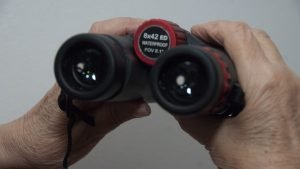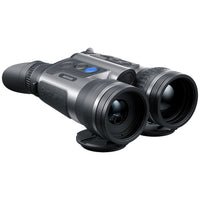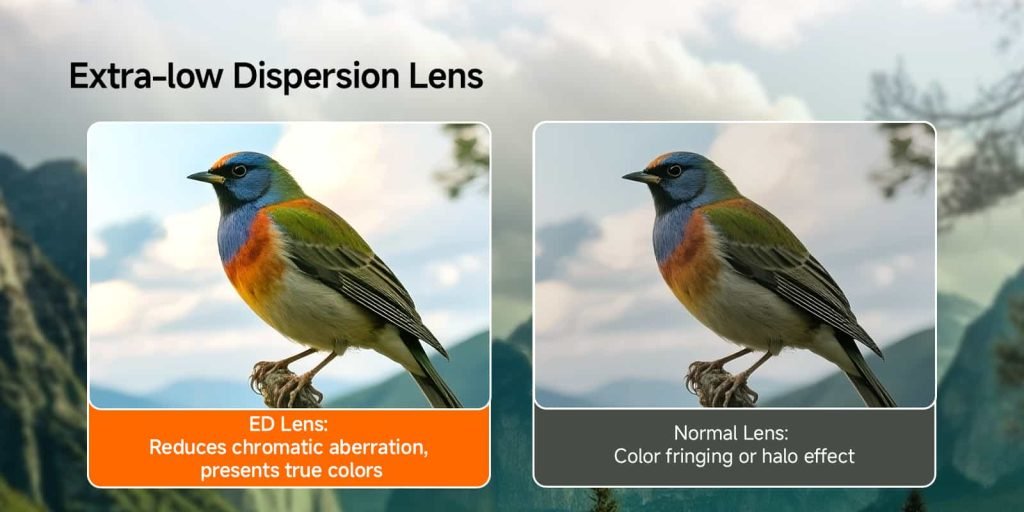
Have you ever noticed those annoying color fringes around objects when you look through your binoculars? That’s called chromatic aberration, and it can really ruin your viewing experience.
If you’ve been wondering whether ED glass binoculars can help reduce this problem, you’re in the right place. You’ll discover how ED glass works and whether it’s the solution you need for clearer, sharper views. Keep reading to find out if upgrading your binoculars with ED glass is worth it for your next outdoor adventure.

Credit: www.ebay.com
Chromatic Aberration In Binoculars
Light bends when it passes through lenses. Each color bends differently. This bending causes chromatic aberration Chromatic aberration can make images blurry. Colors might look mixed up. Details might be hard to see. Ed Glass binoculars use special lenses. These lenses reduce bending of light. Image qualityimproves with less color fringing. Clear images are easier to enjoy.
Credit: www.walmart.com
Features Of Ed Glass
ED glassstands for Extra-low Dispersion glass. It has special chemicals inside that help slow down light. This glass has a unique mix of materials that reduce the bending of light waves. Because of this, it stops colors from spreading out too much.
The special property of ED glass is its low dispersion. This means light rays stay closer together. Less spreading means less color fringing or “rainbow edges” around objects. This helps binoculars show clearer and sharper images.
Using ED glass in binoculars means you get better color accuracy. The images look more natural and less blurry. This is great for bird watchers, hunters, or anyone wanting clear views far away.
| Property | Effect |
|---|---|
| Low Dispersion | Reduces color fringing around edges |
| Special Composition | Slows light to keep colors aligned |
| Improved Sharpness | Makes images clearer and more detailed |
Comparing Ed Glass And Standard Optics
ED glass binocularsuse special lenses to reduce chromatic aberration. This means images look clearer and colors stay true. Standard optics often show color fringing, which can blur details. ED glass helps reduce this problem, making objects appear sharper and more natural.
Standard binoculars cost less but may have more color distortions. ED glass binoculars usually cost more due to better lens materials. The choice depends on how much you want to spend and the quality you need.
| Feature | ED Glass Binoculars | Standard Optics |
|---|---|---|
| Chromatic Aberration | Greatly reduced | Noticeable color fringing |
| Image Clarity | Sharper and clearer | Less sharp |
| Cost | Higher | Lower |
| Best Use | Serious birdwatching, nature | Casual use, budget-friendly |
Expert Opinions On Ed Glass Binoculars
Experts agreethat ED glass binoculars help reduce chromatic aberration. This means less color fringing around objects. The special glass used in these binoculars bends light better. It limits the color blur often seen in cheaper optics.
Many professionals say ED glass improves image clarity and color accuracy. This makes viewing more comfortable, especially for bird watchers and hikers. The difference is clear in side-by-side tests with regular binoculars.
| Field Testing Results | Observations |
|---|---|
| Outdoor bird watching | Reduced color fringes around feathers and leaves |
| Long-distance viewing | Sharper edges and truer colors |
| Low light conditions | Clearer images with less glare |
Overall, ED glass binoculars offer a better viewing experienceby cutting down unwanted color effects. This helps users see nature more naturally and clearly.
Choosing Binoculars For Reduced Aberration
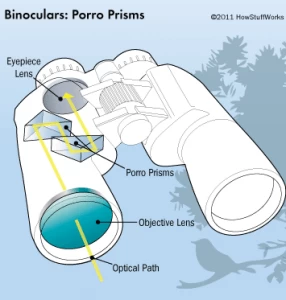
ED glass binocularshelp reduce chromatic aberration, which causes color fringing. Binoculars with this glass give clearer, sharper images. Look for low dispersion glassin lenses as it cuts down the color blur. A good binocular also has multi-coated lensesto improve light transmission and brightness.
Other features to check include:
- Lens size and quality
- Prism type (roof or porro)
- Eye relief for comfort
- Durability and water resistance
| Brand | Known For | Popular Model |
|---|---|---|
| Vortex | High-quality ED glass | Vortex Viper HD |
| Nikon | Clear optics with ED glass | Nikon Monarch 5 |
| Zeiss | Premium ED glass technology | Zeiss Terra ED |
| Swarovski | Top-tier ED lenses | Swarovski EL Range |

Credit: www.amazon.com
Frequently Asked Questions
What Is Chromatic Aberration In Binoculars?
Chromatic aberration causes color fringing around objects in binoculars. It occurs when lenses fail to focus all colors at the same point. This issue reduces image clarity and sharpness, affecting viewing quality.
How Do Ed Glass Binoculars Reduce Chromatic Aberration?
ED glass binoculars use extra-low dispersion glass to minimize color fringing. This glass corrects light refraction, aligning colors more precisely. As a result, images appear sharper and clearer with less color distortion.
Are Ed Glass Binoculars Better For Birdwatching?
Yes, ED glass binoculars enhance birdwatching by delivering sharper, more natural colors. They reduce eye strain during extended use. This makes spotting fine details in feathers and distant subjects easier.
Can Ed Glass Completely Eliminate Chromatic Aberration?
ED glass significantly reduces chromatic aberration but may not eliminate it entirely. Some minor fringing can still occur in extreme lighting conditions. However, ED lenses offer much better performance than standard glass.
Conclusion
ED glass binoculars help reduce chromatic aberration effectively. They use special lenses to cut down color fringing. This makes images clearer and colors more natural. While not perfect, they improve viewing quality a lot. For birdwatchers or nature lovers, this matters.
Choosing binoculars with ED glass is a smart step. It means less eye strain and better detail. So, ED glass binoculars offer a clear advantage in reducing color blur. They help you enjoy sharper, brighter views outdoors.