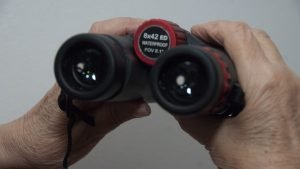
Are you ready to explore the outdoors without worrying about your binoculars getting damaged by water? Choosing the right waterproof binoculars can make all the difference in your adventures.
But with so many options available, how do you know which one is best for you? This guide will help you understand what to look for, so you can pick the perfect pair that fits your needs and budget. Keep reading, and soon you’ll feel confident spotting wildlife, hiking in the rain, or enjoying your favorite outdoor activities without a second thought about your gear.
Key Features Of Waterproof Binoculars
Waterproof binoculars must have sealed lenses to keep water out and fog-proof features for clear views. Look for durable materials and a comfortable grip for easy use outdoors.
Waterproof Ratings Explained
Waterproof ratings show how well binoculars handle water. IPX ratings are common. IPX0 means no protection. IPX8 means it can be submerged in water. Higher numbers mean better water resistance. Check the rating before buying. This helps avoid surprises.
Fog Proof And Weather Resistance
Fog proof binoculars stop fog inside lenses. Nitrogen gas fills these binoculars. It keeps moisture out. Weather resistance means it works in rain or snow. Choose binoculars with both features for clear views.
Durability And Build Quality
Durability means binoculars last a long time. Check for strong materials. Rubber armor protects binoculars from falls. Quality build ensures sturdy binoculars. Look for reinforced parts. This makes binoculars tough.
Choosing The Right Magnification And Lens Size
Magnificationaffects how close objects appear. Higher magnification shows more detail but can make images shaky. Lower magnification offers a wider view and steadier image. Balance is key for clear and stable viewing.
Lens diametercontrols light entering the binoculars. Bigger lenses let in more light. This helps in low light like dawn or dusk. But bigger lenses can make binoculars heavier.
| Magnification | Lens Diameter (mm) | Best Use |
|---|---|---|
| 6x to 8x | 25-32 | Easy to hold, good for daylight |
| 8x to 10x | 32-42 | More detail, needs steady hands |
| 10x+ | 42+ | Best for long distance, heavier |
Types Of Waterproof Binoculars
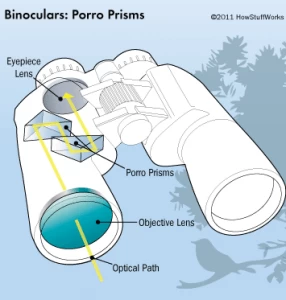
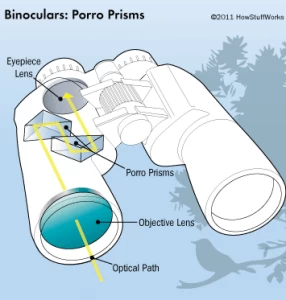
Porro prism binocularshave a zigzag shape. They give a wide field of view and good depth perception. They are usually bulkier but offer better image quality for the price. Roof prism binocularsare straight and slim. They are lighter and easier to carry. Many waterproof models use roof prisms because of their compact design.
Choosing between compactand full-size binocularsdepends on use. Compact models are small and easy to hold. They fit in pockets and backpacks well. Full-size models provide brighter images and better zoom. They are heavier but better for long viewing sessions.

Credit: www.basicsofbirding.com
Additional Features To Consider
Eye reliefis how far your eyes can be from the binoculars. Longer eye relief means more comfort, especially if you wear glasses. Comfortable eye cups help keep the binoculars steady on your eyes.
Weightmatters a lot for beginners. Lightweight binoculars are easier to carry and hold for longer periods. Compact models fit well in a backpack or pocket, making them great for travel or hikes.
The focus mechanismshould be simple and smooth. A good focus knob lets you adjust quickly without frustration. Some binoculars have separate focus for each eye, while others use a central wheel. Choose what feels easiest to use.
Budgeting For Quality Waterproof Binoculars
Choosing waterproof binoculars depends a lot on your budget. Entry-level options usually cost less and are good for casual use. They have basic waterproofing and decent lens quality. Great for beginners who want to try without spending much.
Mid-range choices offer better durabilityand clearer images. These binoculars often include features like fog resistance and better grip. Ideal for outdoor activities and bird watching.
High-end models come with the best waterproof sealsand superior optics. They provide bright, sharp views even in tough weather. Perfect for serious users who want long-lasting gear with top performance.
| Category | Price Range | Key Features | Best For |
|---|---|---|---|
| Entry-Level | Low | Basic waterproofing, decent optics | Beginners, casual use |
| Mid-Range | Moderate | Fog resistant, better grip, clearer images | Outdoor lovers, bird watchers |
| High-End | High | Superior optics, advanced waterproof seals | Serious users, professionals |

Credit: www.popsci.com
Tips For Maintaining Your Binoculars
Keep binoculars clean by using a soft brush or microfiber cloth. Avoid touching lenses with fingers to prevent smudges.
For tough dirt, use lens cleaning solution designed for optics. Never use household cleaners or rough cloths.
Store binoculars in a dry place. Use the protective case to avoid dust and scratches.
Avoid leaving binoculars in direct sunlight or very hot places. Heat can damage the lenses and seals.
Handle with care. Hold binoculars firmly but gently to prevent drops or knocks.
Do not force focus or zoom knobs. Turn them smoothly to avoid damage.
- Clean lenses regularly with soft cloth
- Store in a dry, cool place
- Use protective case when not in use
- Avoid harsh chemicals on lenses
- Handle gently to prevent damage
- Turn knobs smoothly to avoid wear

Credit: www.huntstand.com
Frequently Asked Questions
What Makes Binoculars Waterproof?
Waterproof binoculars have sealed O-rings and nitrogen or argon gas filling. This prevents water, dust, and fog from entering. These features protect lenses and internal parts during wet conditions. They are ideal for outdoor use in rain, snow, or humid environments.
How To Check Binoculars’ Waterproof Rating?
Look for an IPX or ATM rating on the product. IPX7 means waterproof up to 1 meter for 30 minutes. ATM ratings indicate pressure resistance, with 5 ATM often meaning good waterproofing. Check manufacturer specs for clear waterproof standards.
Why Is Fog-proofing Important In Binoculars?
Fog-proofing prevents internal lens fogging caused by temperature changes. It ensures a clear view in cold or humid conditions. Nitrogen or argon gas fills and sealed O-rings provide fog-proofing. This feature is essential for reliable outdoor use.
What Size Waterproof Binoculars Suit Beginners?
Compact binoculars with 8x to 10x magnification and 25-42mm objective lens are beginner-friendly. They balance magnification, light, and ease of use. These sizes are lightweight, portable, and offer bright, clear images in various conditions.
Conclusion
Choosing the right waterproof binoculars makes outdoor adventures better. Focus on key features like waterproof rating, lens quality, and size. Comfort and ease of use matter a lot too. Don’t forget to check the warranty and customer reviews. Taking time to choose will help you enjoy clear views in any weather.
Ready for your next trip? Now you know how to pick binoculars that fit your needs well.