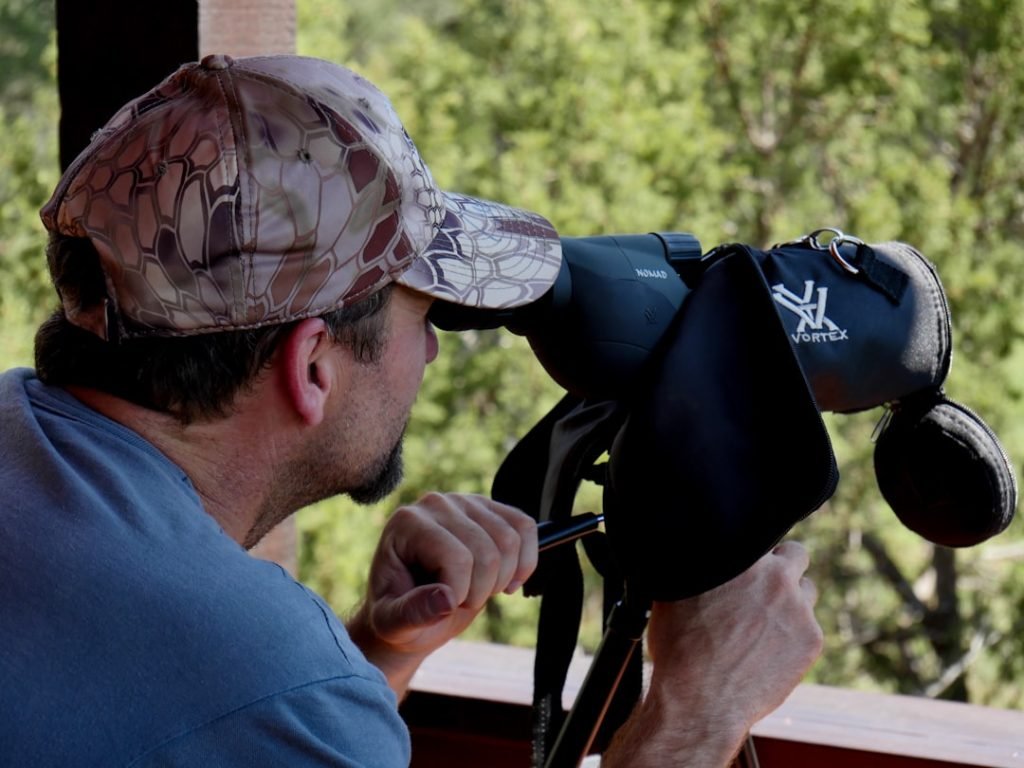
Have your wildlife binoculars suddenly stopped working? Don’t worry—you can fix them yourself without spending a fortune.
Whether it’s a loose lens, foggy glass, or a jammed focus wheel, small problems can keep you from enjoying the great outdoors. In this guide, you’ll learn simple, step-by-step ways to repair your binoculars and get back to spotting birds, animals, and nature’s wonders.
Keep reading, and you’ll discover easy tricks that save your gear and bring your outdoor adventures back into clear view.
Common Binocular Issues
Broken lenses, loose screws, and foggy optics often cause binocular problems. Cleaning carefully and tightening parts can restore clear views. Sometimes replacing small parts helps bring wildlife binoculars back to life.
Lens Scratches And Dirt
Binocular lenses can get scratches and dirt easily. Use a soft cloth to clean them. Special lens cleaner can help remove stains. Scratches might need professional help. It’s important to keep lenses clean.
Alignment Problems
Sometimes, the view through binoculars looks double. This means the alignment is off. Adjusting the screws can fix this. If you can’t fix it, an expert might be needed. Proper alignment helps in seeing clearly.
Focus Mechanism Failure
Focus not working? It can be frustrating. Check the focus wheel. Is it stuck? Lubricate if needed. If broken, professional repair is best. Good focus makes images sharp.
Broken Or Loose Hinges
Hinges hold the binoculars together. Loose hinges make them unstable. Tighten screws to fix. If broken, consider replacement parts. Secure hinges ensure comfortable use.
Damaged Eyecups
Eyecups protect eyes. Damaged eyecups can be uncomfortable. Replace them if torn. Check for proper fit. New eyecups improve comfort.
Tools And Materials Needed
Cleaning supplies include soft cloths, lens cleaner, and cotton swabs. These help remove dirt and dust without scratching lenses. Use a gentle cleaner designed for optics.
Screwdrivers and tweezers are essential for opening the binoculars carefully. Small precision screwdrivers work best for tiny screws. Tweezers help handle small parts safely.
Adhesives like super glue or epoxy can fix broken plastic parts. Lubricants keep moving parts smooth and prevent rust. Use lubricants made for fine instruments.
Replacement parts may include new lenses, eyecups, or focus knobs. Check the binocular model to order correct parts. Having spares makes repair easier and faster.
Cleaning And Lens Repair
Use a soft cloth or microfiber to gently wipe lenses. Avoid harsh chemicals. Water with a tiny drop of dish soap works well. Remove dirt carefully to prevent scratches. For smudges, use lens cleaning solution or alcohol wipes made for optics. Always dry lenses with a clean, dry cloth. Avoid rough materials that can damage the glass.
Minor scratches can blur vision but may be fixed. Use a small amount of toothpaste or baking soda paste. Rub gently in a circular motion with a soft cloth. Clean off residue with water and dry. This method works only for very light scratches. Deep scratches need professional help.
Replacing lenses is tricky but possible. Order exact lens model from the manufacturer. Use a small screwdriver to open binocular casing carefully. Remove broken lenses and clean the area. Place the new lens in position without touching glass surfaces. Tighten screws gently and test the focus before full assembly. If unsure, consult an expert to avoid damage.
Fixing Alignment Issues
Check the binoculars by looking through them at a distant object.
Blurred or double images show that optical alignmentis off.
Use a small screwdriver to open the binoculars carefully.
Locate the prismsinside; they help focus the view.
Gently adjust the prisms to line up the images.
Make small turns and test often to avoid over-adjusting.
After realigning, look through the binoculars again.
Clear, single images mean the prisms are set right.
If the view is still blurry, repeat the adjustments slowly.
Repairing Focus Mechanism
Focus problems in wildlife binoculars may show as blurry or stuck lenses. Check if the focus wheel turns smoothly. Sometimes dirt or dust blocks the mechanism. Look closely to find cracks or broken parts around the focus area. Small loose pieces can stop focus from working properly.
Lubricating moving parts helps the focus wheel move easily. Use a tiny drop of silicone-based lubricant. Avoid oil-based lubricants as they attract dust. Apply lubricant carefully on the focus gears and joints. Rotate the focus wheel gently to spread lubricant evenly. Wipe off any extra to prevent dirt buildup.
Replacing focus components may be needed if parts are broken. Order correct parts matching your binocular model. Disassemble the focus mechanism carefully using small screwdrivers. Remove the damaged parts and install new ones with care. Test the focus after reassembly to ensure smooth operation.

Credit: www.amazon.com
Hinge And Eyecup Repairs
Hinges on binoculars can become loose or broken over time. Tightening the hinge screws may fix wobbling parts. Use a small screwdriver that fits the screws well. Turn slowly to avoid stripping the screw heads.
Replacing hinges requires careful removal of old parts. Check the model number to find exact replacements. Some binoculars have hinges glued or riveted, making replacement harder. In such cases, professional repair might be needed.
Eyecups protect your eyes and help with comfort. Fix torn or loose eyecups by gently pushing them back into place. For damaged eyecups, buy new ones matching your binocular model.
Swapping eyecups is easy if they are removable. Pull the old ones off with care. Press new eyecups firmly onto the eyepieces until secure. This improves viewing comfort and keeps dust out.
Preventive Maintenance Tips
Store binoculars in a dry and cool place. Avoid places with direct sunlight or heat. Use a soft case to protect them from dust and scratches. Keep lenses covered with lens caps when not in use. This helps prevent dirt buildup.
Clean binoculars regularly using a soft, lint-free cloth. Use a small brush or air blower to remove dust from lenses. Avoid touching lenses with fingers to prevent smudges. Use special lens cleaning solution for tough spots. Wipe gently to avoid scratches.
- Hold binoculars firmly with both hands.
- Do not drop or bang them on hard surfaces.
- Avoid twisting or forcing parts to move.
- Carry binoculars with a neck strap for safety.
- Keep binoculars away from water unless they are waterproof.

Credit: www.facebook.com

Credit: www.facebook.com
Frequently Asked Questions
How Can I Fix Blurry Images In Wildlife Binoculars?
Blurry images often result from misaligned lenses. Gently clean the lenses with a microfiber cloth. If blurriness persists, check the focus adjustment or seek professional calibration.
What To Do If Binoculars Have Stuck Or Jammed Parts?
Apply a small amount of silicone lubricant to moving parts. Avoid oil-based lubricants as they attract dust. If parts remain stuck, consult a repair specialist to prevent damage.
How To Repair Cracked Binocular Lenses Safely?
Minor scratches can be polished with lens repair kits. For cracks, replacement is best to maintain image quality. Contact the manufacturer or a professional for lens replacement services.
Can I Repair Loose Eyecups On Wildlife Binoculars?
Yes, tighten loose eyecups by gently screwing them back. If damaged, purchase compatible replacements online. Proper eyecups enhance comfort and protect the lenses.
Conclusion
Broken wildlife binoculars do not mean the end of your adventure. Small fixes can bring them back to life quickly. Cleaning lenses, tightening screws, or replacing parts makes a big difference. Take your time and work carefully. You can save money and enjoy clearer views again.
Keep your binoculars safe after repair to avoid new damage. Enjoy watching nature with better clarity. Simple steps can keep your gear ready for every trip. Don’t give up on your binoculars just yet.