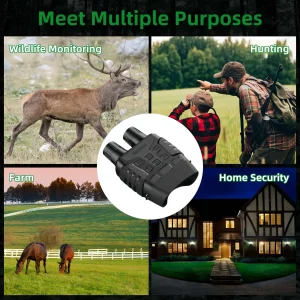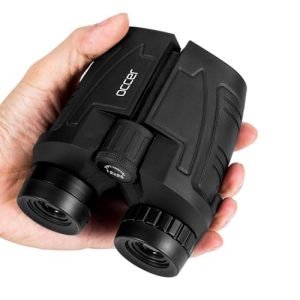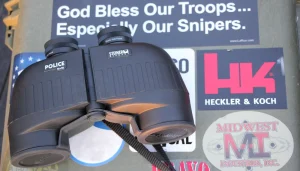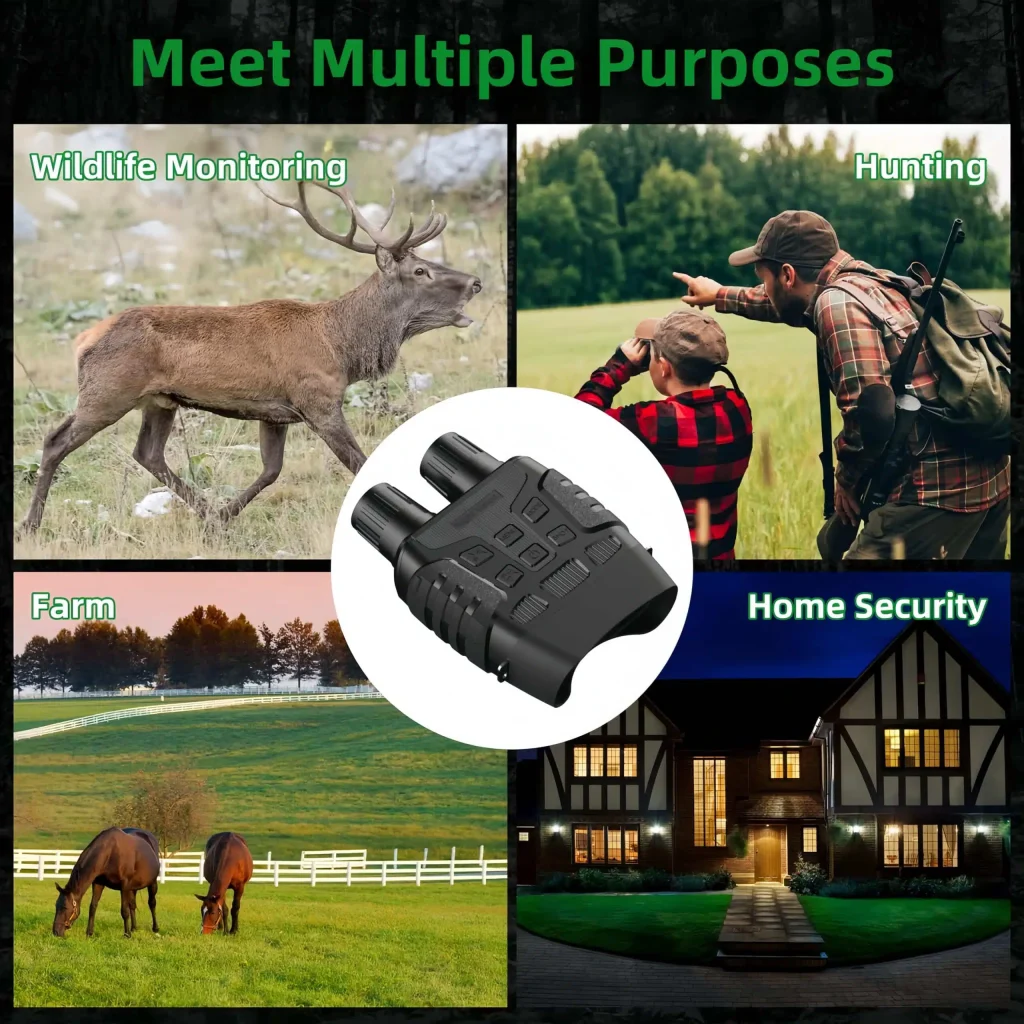
Are you eager to get closer to wildlife without disturbing their natural behavior? Using surveillance binoculars for wildlife monitoring can transform the way you observe animals in their habitat.
Imagine spotting a rare bird or tracking elusive creatures with crystal-clear vision, even from a distance. In this guide, you’ll discover simple yet powerful tips to make the most of your binoculars. By the end, you’ll feel confident and ready to capture incredible wildlife moments like never before.
Keep reading, and unlock the secrets to becoming a skilled wildlife observer!
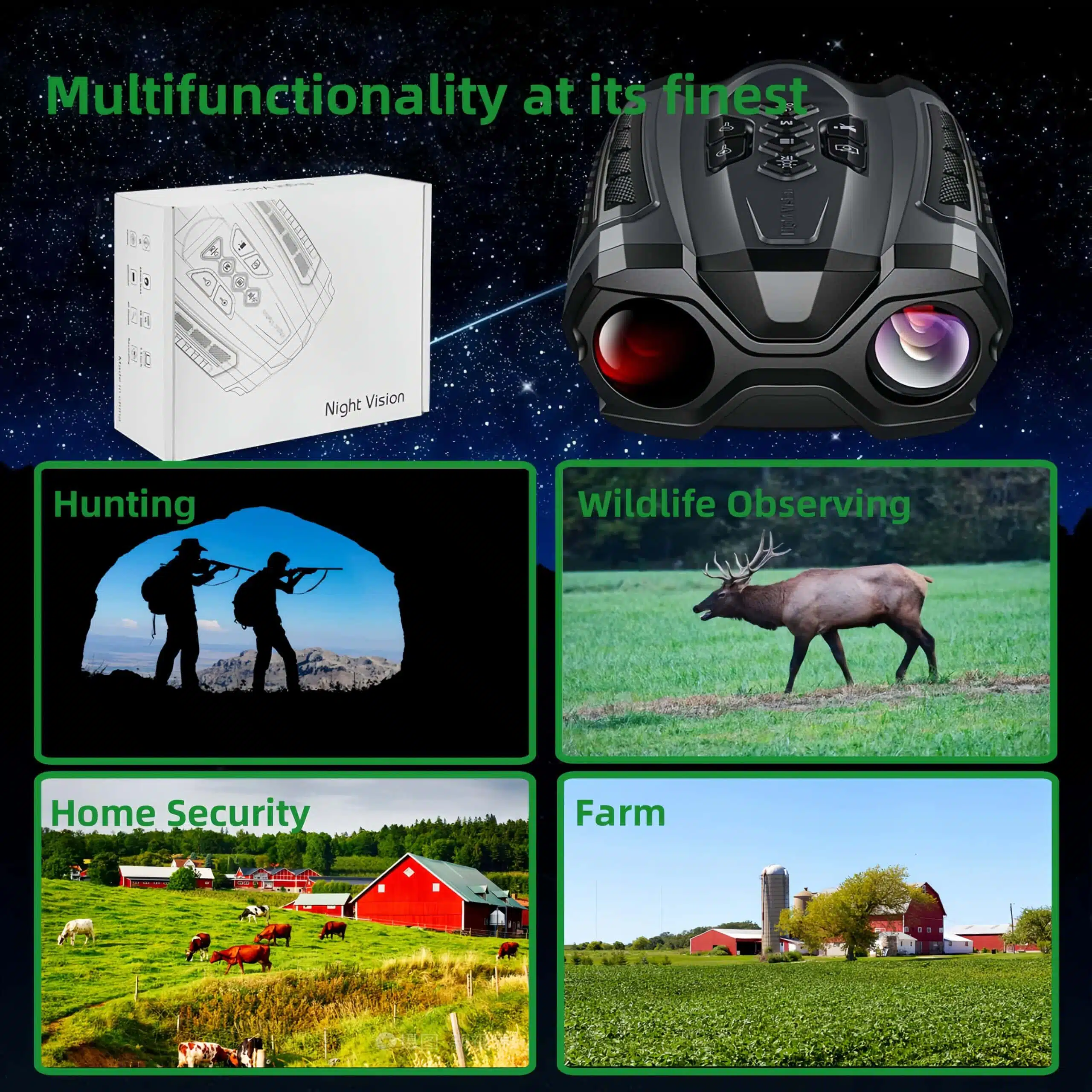
Credit: www.usnighthawk.com
Choosing The Right Binoculars
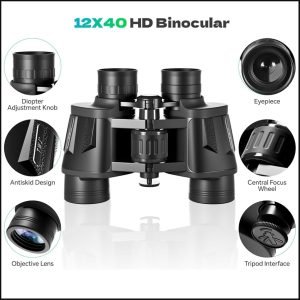
Magnificationshows how close you can see distant animals. Too high magnification can make images shaky. Usually, 8x to 10x is best for wildlife. Lens diameteraffects how much light enters. Bigger lenses give brighter views, especially in low light. A 42mm lens is a good balance.
Field of viewmeans how wide an area you can see. A wide field helps find animals faster. But very wide views may reduce detail. Choose binoculars with a clear and wide field of view for easy scanning.
Look for optical quality. Good lenses give sharp and clear images. Special coatingson lenses reduce glare and improve brightness. Multi-coated lenses work best for clear views in sunlight or shade.
Credit: www.firerescue1.com
Setting Up For Optimal Use
Adjusting eye reliefhelps you see clearly without straining your eyes. Move the eyecups closer or farther to fit your eyes. This is important for people who wear glasses.
Calibrating focus and dioptermakes the image sharp and clear. First, cover one lens and focus with the other eye. Then switch and adjust the diopter ring for the other eye.
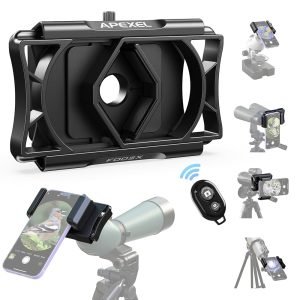
Stabilizing binoculars with a tripodreduces shaking. Use a tripod for steady views, especially when watching for a long time. This helps you see small or distant animals better.
Techniques For Effective Wildlife Monitoring
Watching animals with surveillance binocularshelps spot their daily patterns. Notice when animals come out and where they go. This shows their habits and routines.
Tracking movement is key. Use binoculars to follow animals quietly. Watch how they move, eat, and rest. This helps understand their behavior better.
- Note time and place of each sighting.
- Record changes in behavior.
- Keep track of how animals interact.
Write down all observations carefully. Use a notebook or digital app. Include details like weather, time, and animal actions. Clear notes help study animals over time.

Credit: spyassociates.com
Maintaining And Caring For Binoculars
Clean the lenses gently with a soft cloth. Use a lens brush or air blower to remove dust. Avoid using paper towels or rough fabrics to prevent scratches. For the body, wipe with a damp cloth and mild soap if needed. Do not soak the binoculars in water.
Protect binoculars from rain and moisture. Use waterproof covers or cases when outside. Avoid exposing them to direct sunlight for long periods. Keep away from extreme heat or cold to prevent damage.
| Storage Tips |
|---|
| Store binoculars in a dry, cool place. |
| Keep them in a padded case to avoid bumps. |
| Remove batteries if not used for a long time. |
| Keep lens caps on to protect the glass. |
Enhancing Observation Skills
Enhancing observation skills is key for successful wildlife monitoring. Patience and stealthhelp you stay unnoticed by animals. Move slowly and avoid sudden sounds. Sit quietly for long periods to let animals feel safe.
Utilize your peripheral visionto catch movement without turning your head. This keeps you hidden and aware. Watch the edges of your sight while focusing through binoculars.
Using audio cuescan also improve your observation. Listen for bird calls, rustling leaves, or animal footsteps. These sounds hint at nearby wildlife without needing to see them.
Frequently Asked Questions
What Are Surveillance Binoculars Used For In Wildlife Monitoring?
Surveillance binoculars help observe animals from a distance without disturbing them. They provide clear, magnified views for tracking behavior and habitat. These binoculars are essential for safe, effective wildlife monitoring in various environments.
How Do I Choose The Best Binoculars For Wildlife Monitoring?
Look for high magnification, wide field of view, and good light transmission. Waterproof and durable models are ideal for outdoor use. Comfort and weight also matter for long observation sessions.
Can Surveillance Binoculars Capture Images Or Videos?
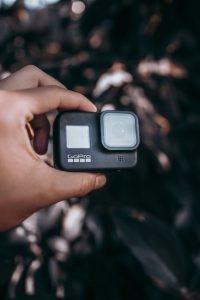
Some advanced models include built-in cameras for photos and videos. This feature allows documentation of wildlife behavior for further study. Check product specs to confirm if imaging is supported.
How To Maintain Surveillance Binoculars In The Wild?
Keep lenses clean using a microfiber cloth and lens cleaner. Store binoculars in a protective case to avoid damage. Avoid exposing them to extreme weather conditions whenever possible.
Conclusion
Using surveillance binoculars helps you watch wildlife closely and safely. Choose the right binoculars for clear, sharp views. Practice steady holding and adjusting focus for the best sight. Respect animals and stay quiet to avoid disturbing them. Regular use improves your skill and enjoyment.
Watching wildlife can teach you about nature’s beauty and habits. Keep exploring and observing with patience and care. You will find it rewarding and peaceful.