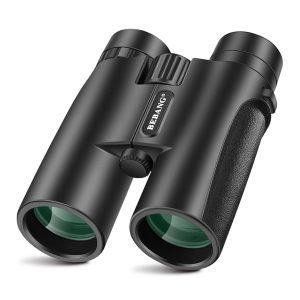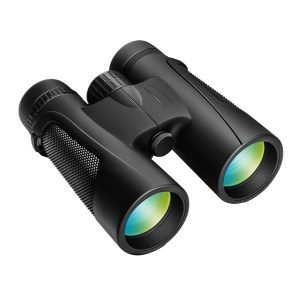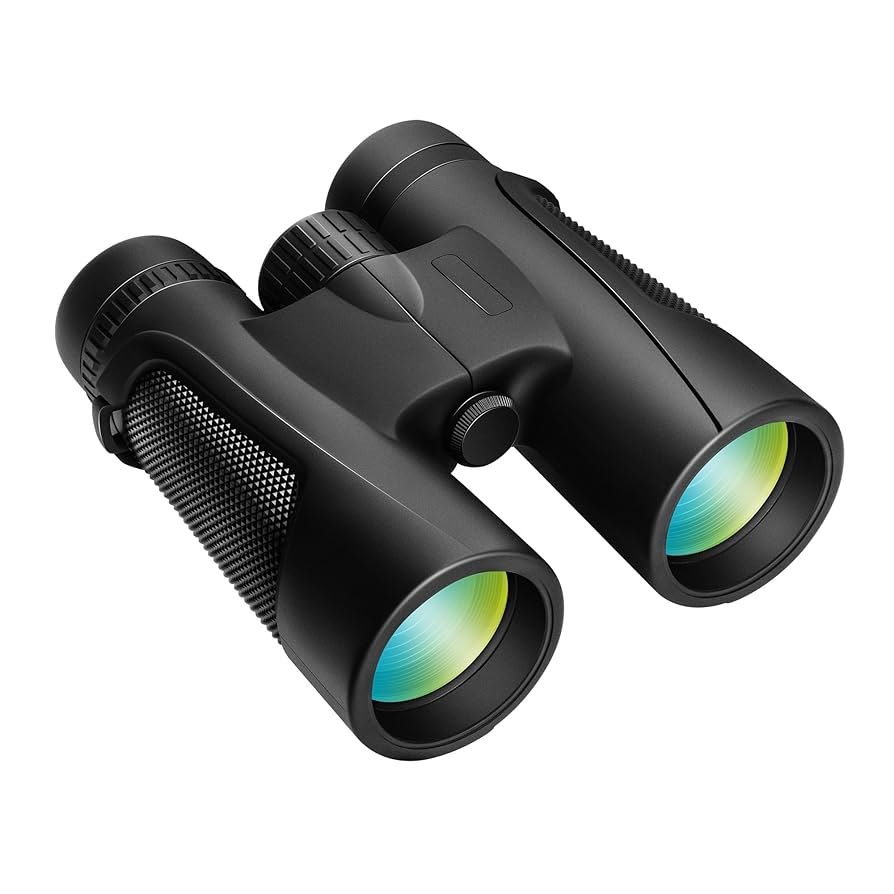
If you love watching wildlife through your binoculars, keeping your eyepieces clean is a must. Dirty lenses can blur your view, making it hard to spot those amazing details in nature.
But how do you clean them without causing damage? You’ll discover simple, effective steps to clean your wildlife binocular eyepieces safely. Follow these tips, and you’ll enjoy crystal-clear views every time you look through your binoculars. Ready to see nature like never before?
Let’s get started!
Essential Cleaning Supplies
Cleaning wildlife binocular eyepieces needs the right tools. Always have a soft microfiber clothto wipe the lenses without scratching them. A lens cleaning solutionor lens cleaning wipesmade for optics work best. Avoid household cleaners as they can harm lens coatings.
A small brushor a blower bulbhelps remove dust and dirt from tight spots gently. Use cotton swabsfor hard-to-reach edges but be very gentle. Keep all supplies clean and dry before use to avoid adding more dirt.
Preparing Your Workspace
Choose a clean, flat surface to work on. This helps avoid losing small parts. Make sure the area has good light so you can see the eyepieces clearly. Gather all needed tools like a soft cloth, lens brush, and cleaning solution. Keep the binoculars steady by placing them on a soft towel or mat. Avoid dusty or windy places to stop dirt from settling again. Having everything ready speeds up the cleaning process and keeps your binoculars safe.
Removing Dust And Debris
Use a soft brush or a blower to remove loose dust and debris. Avoid using fingers or cloth at this stage to prevent scratches. Gently brush around the eyepiece edges and lens surface. A small hand-held air blower works well to blow away dirt without touching the glass.
Never use canned air as it can spray harmful chemicals. Avoid pressing hard to protect the lens coatings. If dust is stubborn, repeat the process carefully. Always keep the lens cap on when not cleaning.

Credit: www.amazon.com
Clearing Smudges And Fingerprints
Use a soft, clean microfiber cloth to gently wipe the eyepieces. Avoid rough materials that can scratch lenses. Lightly blow off dust before wiping to prevent rubbing dirt into the glass.
Dampen the cloth with a little lens cleaner or distilled water for tough smudges. Never spray liquid directly on the eyepieces.
- Hold the binoculars steady to avoid dropping.
- Use circular motions to clean the surface.
- Dry with a dry part of the cloth to remove streaks.
Repeat if fingerprints or oily marks remain. Regular cleaning keeps vision clear and binoculars in good shape.
Deep Cleaning Techniques
Use a soft brush or air blower to remove dust from the eyepieces. Avoid touching the glass directly with your fingers. Apply a small amount of lens cleaning solution to a microfiber cloth. Gently wipe the eyepieces in a circular motion to remove smudges and dirt. Do not spray the solution directly on the lenses.
For stubborn dirt, dampen a cotton swab with lens cleaner and clean the edges carefully. Let the eyepieces dry completely before using the binoculars again. Store binoculars in a clean, dry case to prevent dust buildup.

Credit: www.amazon.com
Drying And Buffing
After cleaning the eyepieces, use a clean, dry microfiber cloth. Gently buff the lensesin small, circular motions. This removes any leftover moisture or streaks.
Avoid using paper towels or rough fabrics. They can scratch the lens surface. Let the eyepieces air dry for a few minutes if needed.
Use gentle pressure. Too much force can damage coatings on the lenses. Always keep the cloth clean to avoid spreading dirt.
- Use a soft microfiber cloth
- Buff with gentle, circular motions
- Do not press hard on the lens
- Avoid paper towels or rough fabric
- Let eyepieces air dry if needed
Maintaining Cleanliness
Start by blowing dust off the eyepieces using a soft brush or air blower. This removes loose dirt without scratching the glass.
Use a microfiber cloth to gently wipe the lenses. Avoid using paper towels or clothing, as they can cause scratches.
If smudges remain, lightly dampen the cloth with lens cleaning solution or distilled water. Wipe in small circles to avoid streaks.
Never apply liquid directly onto the eyepieces. Always apply it to the cloth first.
Store binoculars in a clean, dry case to keep dust and moisture away.
- Use a soft brush or air blower for dust
- Wipe lenses with a clean microfiber cloth
- Use lens cleaner or distilled water sparingly
- Apply liquid to cloth, not directly to lenses
- Store binoculars in a protective case
Common Mistakes To Avoid
Using rough cloths can scratch the eyepiece lens. Avoid touching the lenses with your fingers. Oils from skin leave marks that are hard to clean. Do not spray cleaning fluid directly on the lens. It can seep inside and damage the binoculars. Using too much water can cause fogging inside the lenses. Avoid using household cleaners or alcohol; they can harm lens coatings. Never wipe lenses when dry; this can cause scratches. Use a soft brush or air blower to remove dust first. Store binoculars without a cover to keep dust away. Clean eyepieces gently with a microfiber cloth for best results.
Expert Tips For Longevity
Start by blowing off loose dust with a soft brush or air blower. Avoid using canned air, as it can damage lenses.
Use a microfiber cloth to gently wipe the eyepieces. Do not press hard to avoid scratches.
For stubborn dirt, moisten the cloth with a lens cleaning solution. Never apply liquid directly to the eyepiece.
Dry the lens carefully using a clean part of the cloth. Keep the eyepieces covered when not in use.
Store binoculars in a dry, dust-free case. This helps protect them from damage and dirt.
- Use only lens-safe cleaning tools.
- Clean eyepieces regularly but gently.
- Avoid touching lenses with fingers.
- Keep binoculars in a protective case.

Credit: www.amazon.com
Frequently Asked Questions
How Often Should I Clean Wildlife Binocular Eyepieces?
Clean your eyepieces regularly to maintain clarity. For frequent use, clean them monthly or after every outdoor adventure. Avoid over-cleaning to prevent damage.
What Tools Are Best For Cleaning Binocular Eyepieces?
Use a soft microfiber cloth, lens brush, and lens cleaning solution. Avoid abrasive materials or household cleaners that may scratch or damage lenses.
Can I Use Water To Clean Binocular Eyepieces?
Yes, use distilled water sparingly to remove dirt. Avoid tap water as it may leave mineral spots on the lenses.
How Do I Avoid Scratching Binocular Eyepieces During Cleaning?
Always use gentle, circular motions with a microfiber cloth. Avoid wiping when dry dirt is present; use a brush first to remove debris.
Conclusion
Cleaning your wildlife binocular eyepieces keeps your view clear and sharp. Use gentle tools and avoid harsh chemicals for best results. Clean regularly to stop dirt and smudges from building up. Take your time and be careful with each step.
Clean eyepieces help you enjoy wildlife watching more. Keep your binoculars ready for every adventure. Simple care makes a big difference in your experience.