If you want to get the most out of your hunting experience, knowing how to mount your hunting scope correctly is a must. A poorly mounted scope can ruin your shot, waste your time, and leave you frustrated in the field.
But don’t worry—you’re about to learn simple, step-by-step tips that will help you set up your scope perfectly. By the end of this guide, you’ll feel confident every time you aim, giving you the edge you need for a successful hunt.
Ready to make every shot count? Let’s dive in.
Credit: gununiversity.com
Choosing The Right Scope
Choosing the right scope is key for a good hunting experience. Different types of hunting scopes fit different needs. Some scopes offer fixed magnification, while others provide variable zoom. Each type suits various hunting styles and distances.
The scope must match the rifle’s size and recoil power. A heavy rifle needs a strong, sturdy scope mount. Lightweight rifles work better with lighter scopes. This match helps keep the scope steady and accurate.
| Consideration | Details |
|---|---|
| Lens Quality | Clear glassgives a bright and sharp image. |
| Coating | Coated lenses reduce glare and improve light transmission. |
| Durability | Strong lenses resist scratches and weather damage. |
Selecting Mounts And Rings
Mounts and ringsmust be made of strong materialslike steel or aluminum. These materials ensure long-lasting durabilityand hold the scope firmly during use. Avoid cheap metals that may bend or break easily.
Choose mounts and rings that match the height and sizeof your scope and rifle. Too high or too low mounts can affect your aim and comfort. Check the tube diameterof your scope to get the right ring size.
| Torque Specifications | Recommended Value |
|---|---|
| Ring Screws | 15-18 in-lbs |
| Base Screws | 30-35 in-lbs |
Use a torque wrenchto tighten screws to the proper value. Over-tightening can damage your scope or mounts. Under-tightening may cause the scope to move during shooting.
Preparing The Rifle
Start by cleaning the mounting areaon the rifle. Dirt or oil can cause the scope to slip. Use a soft cloth and a mild cleaner to wipe the surface. Make sure it is completely dry before mounting.
Check the scope rings and bases for a proper fit. They should match the size of your scope tube and the rifle’s mounting points. A loose or tight fit can affect accuracy and stability.
- Ensure the scope sits level on the rifle.
- Check that screws align with holes perfectly.
- A snug fit avoids movement during shooting.
Rifle stabilityis key for good shooting. Place the rifle on a steady rest or bench. Avoid holding the rifle by hand while mounting the scope. This keeps everything aligned and secure.
Scope Mounting Steps
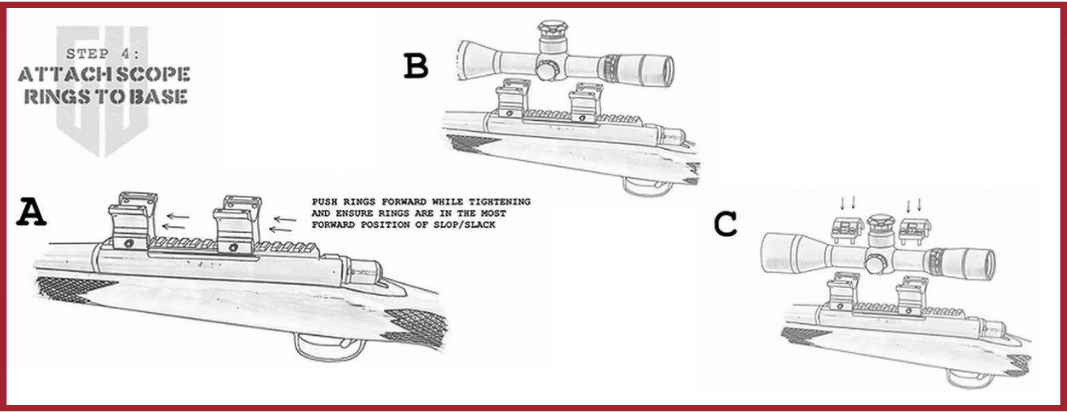
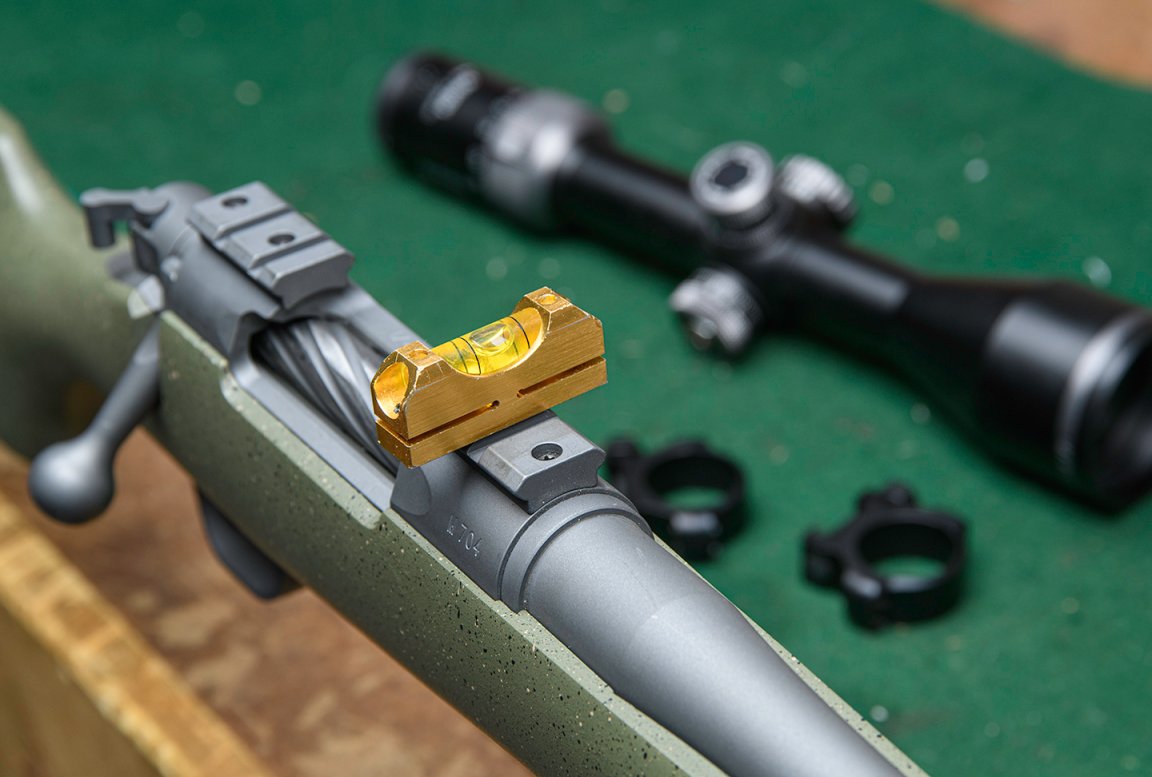
Begin by placing the scope on the rifle’s base. Make sure the scope is leveland alignedwith the rifle barrel. Use a bubble level if available. This helps with accuracy when aiming.
Next, attach the rings around the scope tube. Tighten the screws just enough to hold the scope in place. Do not fully tighten yet; this allows for small adjustments.
Adjust the scope forward and backward to get the right eye relief. Eye relief is the distance from your eye to the scope lens. It should be comfortable and give a full view through the scope.
Leveling The Scope
Using a bubble levelhelps keep the scope perfectly horizontal. Place the level on top of the scope tube. Adjust the scope until the bubble is centered. This prevents the scope from tilting, which can cause aiming errors.
Aligning the crosshairsis key for accurate shooting. Look through the scope and adjust the turret knobs. Ensure the vertical and horizontal lines meet at the center. This makes sure your shots hit the target where you aim.
Avoiding canting errorsmeans the scope must not tilt sideways. Canting can cause shots to go off to one side. Use the bubble level or a flat surface to check. Keep the rifle and scope steady before tightening mounts.

Credit: www.guns.com
Final Tightening And Checks
Tighten all screws securely to keep the scope stable during use. Double-check alignment and ensure no movement or wobble exists. Small adjustments now prevent issues later.
Applying Correct Torque
Use a torque wrench to tighten screws to the recommended setting. Over-tightening can damage the scope or mounts. Under-tightening can cause movement during use. Follow manufacturer torque specs carefully. This ensures the scope stays secure and true.
Rechecking Alignment
Look through the scope to check if the reticle is centered. Make sure the crosshairs are level with the rifle. Adjust if needed before final tightening. Proper alignment prevents aiming errors.
Testing Scope Stability
- Gently shake the rifle to check for scope movement.
- Fire a few test shots to confirm zero hold.
- Inspect mounts and screws after shooting.
Stable mounting means better accuracy and confidence in the field.
Boresighting And Zeroing
Boresighting helps align your scope with the barrel before shooting. This saves time and ammo. Common tools for boresightinginclude:
- Boresight laser devicesthat fit in the barrel.
- Optical boresightsthat show the center point.
- A simple laser pointerfor rough alignment.
- Target standsto hold paper targets steady.
Adjusting windagemoves the reticle left or right. Adjusting elevationmoves it up or down. Turn the knobs slowly and watch where the shot hits. Small changes make a big difference.
Live fire zeroingmeans shooting at a target to fine-tune your scope. Start at 25 yards, then move to 100 yards. Fire a group of shots, check the point of impact, and adjust windage and elevation. Repeat until the shots hit where you aim. Use a stable rest for better accuracy.
Maintenance And Care
Cleaning the Scopehelps keep the lens clear and sharp. Use a soft brush or cloth to remove dust. Avoid using harsh chemicals that can damage the lens coating. Clean the lens gently to prevent scratches.
Inspecting Mounts Regularlyensures the scope stays secure. Check screws and rings for tightness. Loose mounts can cause the scope to shift and lose accuracy. Look for any signs of rust or wear.
Handling and Storageaffects the scope’s lifespan. Always carry the scope carefully to avoid bumps. Store it in a dry, cool place. Use a protective case to keep dust and moisture away.
Credit: www.outdoorlife.com
Frequently Asked Questions
What Tools Are Needed To Mount Scopes?
To mount hunting scopes, you’ll need a few essential tools: a screwdriver, scope rings, and a torque wrench. These tools ensure proper installation and secure attachment of the scope. Always follow the manufacturer’s guidelines for the best results and safety during your hunting adventures.
How Do I Align The Scope Properly?
Proper alignment of your scope is crucial for accuracy. First, ensure the rifle is stable. Then, adjust the scope rings and eye relief carefully. Make sure the reticle is level using a bubble level tool. This helps in maintaining precision during hunting.
Can I Mount Scopes Without Professional Help?
Yes, you can mount scopes without professional assistance. With the right tools and instructions, it’s a straightforward process. Follow the manufacturer’s guidelines closely for a secure fit. However, if unsure, seeking professional help ensures optimal accuracy and safety.
What Is The Importance Of Eye Relief?
Eye relief is crucial for comfort and safety during shooting. It refers to the distance between your eye and the scope lens. Proper eye relief prevents injuries from recoil and enhances viewing comfort. Adjust it to ensure a clear, full view of your target.
Conclusion
Mounting your hunting scope correctly improves your shooting accuracy. Take time to align the scope with your rifle carefully. Tighten all screws just enough to hold the scope firm. Check your eye relief to avoid discomfort during aiming. Test your setup in a safe area before heading outdoors.
A well-mounted scope makes hunting safer and more enjoyable. Follow these steps for a better hunting experience. Keep your gear ready and trust your aim.