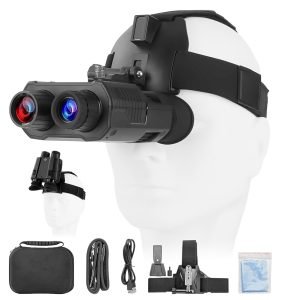
If you love bird watching, you know how important your binoculars are. They bring the tiny details of birds right into your hands.
But have you ever wondered how to keep your birding binoculars working perfectly for years? Taking care of your gear might seem simple, but doing it the right way can make a huge difference. You’ll discover easy and effective tips to maintain your binoculars.
By following these steps, you’ll enjoy clearer views and protect your investment. Keep reading to learn how to make your birding experience even better!

Credit: www.ctvnews.ca
Cleaning Lenses
Gently blow dust off the lenses before wiping with a soft cloth. Use lens cleaner sparingly to avoid damage. Keep lenses dry and store binoculars in a protective case.
Choosing The Right Cloth
Use a soft microfiber clothfor cleaning. Never use paper towels or shirts. These can scratch the lenses. Keep your cloth clean and dry. A dirty cloth might harm the lens surface.
Using Proper Cleaning Solutions
Select a lens cleaning solutionfor the best results. Avoid household cleaners; they may damage coatings. Apply a small amount to the cloth. Do not directly pour it on the lens.
Avoiding Common Mistakes
- Never use alcohol-based cleaners.
- Do not press hard on the lenses.
- Store your binoculars in a safe case.
- Always clean in a dust-free area.

Credit: www.youtube.com
Protecting From Damage
Using a protective caseis key to keep binoculars safe. It shields them from scratches, dust, and sudden hits. Always store binoculars in the case when not in use. Choose a case that fits well and is made of durable material.
Handle binoculars with care to avoid damage. Hold them firmly but gently. Avoid dropping or banging them against hard surfaces. Use the neck strap to keep binoculars secure during walks.
Avoid exposing binoculars to extreme heat, cold, or moisture. These conditions can harm lenses and internal parts. Keep binoculars away from direct sunlight for long periods. Do not leave them in freezing weather or heavy rain without protection.
Storing Binoculars
Storing binoculars properly keeps them safe and ready to use. Choose a dry and cool placeaway from direct sunlight. Avoid places with high humidityto prevent mold and rust.
Prevent moisture build-up by keeping binoculars in a sealed container or case. Use silica gel packsto absorb moisture inside the storage area. Replace these packs regularly to keep them effective.
| Ideal Storage Locations | Preventing Moisture Build-Up | Using Silica Gel Packs |
|---|---|---|
| Dry cupboard or drawer | Keep binoculars in a sealed case | Place packs inside storage case |
| Cool, shaded area | Use cloth to wipe moisture | Replace packs every 3-6 months |
| Avoid bathrooms and kitchens | Check for condensation regularly | Use multiple packs if needed |

Credit: gearjunkie.com
Regular Maintenance Checks
Check the binoculars for loose screws or parts. Tighten them carefully. Loose parts can cause damage or poor performance.
Test the focus knobs and ringsby turning them gently. They should move smoothly without sticking. If they feel rough, cleaning may be needed.
Use a small amount of light lubricanton moving parts. Avoid over-lubricating as it can attract dust. This helps keep the mechanisms working well.
Dealing With Fog And Moisture
Anti-fog solutionshelp keep lenses clear during birding. Apply a small drop on each lens and spread it gently with a soft cloth. Avoid using harsh chemicals that can damage coatings. Use only products made for optical lenses.
Drying binoculars after use is important to stop moisture build-up. Use a dry, soft clothto wipe the outside carefully. Leave the binoculars open in a warm, dry place for a few hours. Avoid direct sunlight to protect the lenses and seals.
Seek professional help if fog appears inside the lenses or if moisture stays trapped. This may mean the seals are broken or worn out. Experts can open the binoculars and fix or replace damaged parts safely.
Frequently Asked Questions
How Often Should I Clean My Birding Binoculars?
Clean your binoculars after every few uses or when visibly dirty. Use a soft brush or cloth to remove dust. Avoid harsh chemicals, and clean lenses with a lens-specific cleaning solution and microfiber cloth for best results.
What Is The Best Way To Store Birding Binoculars?
Store binoculars in a cool, dry place away from direct sunlight. Use a protective case to prevent dust and damage. Avoid storing them in damp areas to prevent mold and corrosion.
Can I Use Household Cleaners On Binocular Lenses?
No, avoid household cleaners as they can damage lens coatings. Use only lens cleaning solutions designed for optics. Always apply the cleaner to a microfiber cloth, not directly on the lenses.
How Do I Prevent Fogging In Birding Binoculars?
Use anti-fog sprays or wipes designed for optics. Store binoculars in a dry place with silica gel packs. Consider waterproof or fog-resistant models for humid conditions.
Conclusion
Keeping your birding binoculars clean and safe ensures clear views every time. Always store them in a dry, padded case after use. Wipe lenses gently with a soft cloth to avoid scratches. Check for loose parts regularly and tighten if needed.
Avoid touching lenses with fingers to prevent smudges. Simple care habits help your binoculars last longer and work better. Enjoy watching birds with a clear, sharp view. Maintenance takes little time but brings great rewards. Your binoculars will stay ready for every birding adventure.