Are you struggling to find the perfect magnification for your image stabilized binoculars? Choosing the right power can make all the difference in how clear and steady your view is.
Too much magnification might shake your hands more, while too little could leave you missing important details. You’ll discover exactly what magnification works best to give you sharp, stable images every time. Keep reading to unlock the secret to a better, more enjoyable viewing experience with your binoculars.

Credit: www.yahoo.com
Benefits Of Image Stabilization
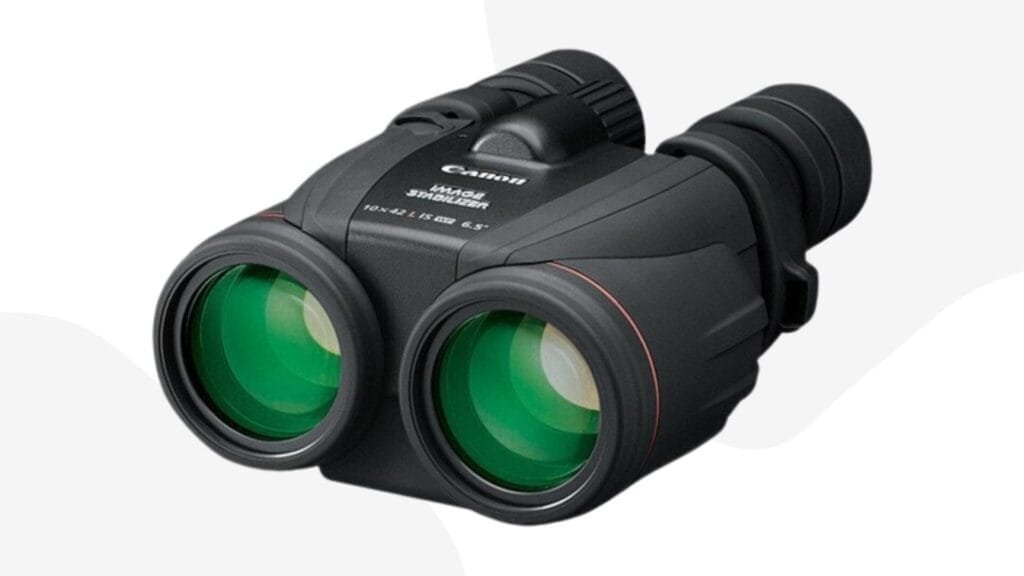
Image stabilization helps reduce shakiness, making binocular views clearer at higher magnifications. It allows steady images, especially useful for 10x or above magnification. This feature improves comfort and focus during extended use outdoors.
How Stabilization Enhances Viewing
Image stabilizationhelps keep binoculars steady. This makes faraway things clear. It reduces shaky movements. You can see details better. Birds, stars, and planes are easier to watch. Clear imagesmake watching fun.
Common Uses And Applications
- Bird watching becomes easier with stabilization.
- Star gazing is more enjoyable with clear views.
- Sports fans use binoculars to see players better.
- Travelers enjoy scenic views without blur.
- Wildlife observers spot animals in motion.
Magnification Basics
Magnificationcontrols how close objects appear. Higher magnification makes objects look bigger but can shrink the field of view. A smaller field of view means you see less of the scene at once. Lower magnification shows a wider area but objects look smaller.
Image stabilized binoculars help keep the view steady even at high magnification. Still, very high magnification can make the image less clear. This is because small shakes or movement become more visible.
| Magnification | Field of View | Image Clarity |
|---|---|---|
| Low (6x-8x) | Wide | Clear and stable |
| Medium (9x-12x) | Moderate | Clear with some shakiness |
| High (15x+) | Narrow | Less clear, shakier without stabilization |
Ideal Magnification Range
Image stabilized binocularshelp reduce shaking. Choosing the right magnification is key to clear views.
Magnifications between 7x and 10xare usually best. This range balances power and stability. Higher magnifications may cause more shake. Image stabilization helps, but too much zoom can still blur images.
Lower magnifications give wider views and are easier to hold steady. Higher ones show more detail but need a steady hand or support.
| Activity | Typical Magnification | Reason |
|---|---|---|
| Bird Watching | 8x – 10x | Good detail and easy handling |
| Hiking | 7x – 8x | Lighter and wider view |
| Sports Events | 8x – 12x | Closer view of action |
| Boating | 7x – 9x | Stable view on moving water |
Factors Influencing Magnification Choice
Environmentplays a big role in choosing binocular magnification. For close-rangeviewing, lower magnification (around 8x) works best. It gives a wide viewand steady image. For long distances, higher magnification (10x or more) helps see details better. But higher magnification can make the image shakier without good stabilization.
User comfortmatters too. Higher magnification binoculars can be heavierand harder to hold steady. Image stabilization helps, but very high magnification may cause eye strainafter long use. Choose magnification that feels comfortableand easy to use for your needs.
Comparing Fixed Vs. Variable Magnification
Fixed magnificationbinoculars have a set zoom level. They offer clearer imagesand are often lighter. These are good for steady viewing of birds or sports.
Variable magnificationbinoculars let you zoom in and out. This gives flexibilityfor different scenes. They are useful for moving targets or changing views.
| Type | Advantages |
|---|---|
| Fixed Magnification | Clear images, lighter, easy to use |
| Variable Magnification | Adjust zoom, versatile for many uses |
Choose variable magnificationif you want to change zoom often. Great for varied activities like hiking or sports. Pick fixed magnificationfor simple, clear, and stable views.
Top Image Stabilized Binoculars By Magnification
Low magnification modelsusually range from 6x to 8x. They offer a wider field of viewand better stabilityfor shaking hands. These binoculars are great for bird watchingand sports events. Image stabilization helps keep the picture clear without much effort.
High magnification modelsstart at 10x and go up to 20x or more. They provide closer viewsof distant objects but can be harder to hold steady. Image stabilization is very helpful here. It reduces blur and makes details easier to see. These are ideal for huntingor astronomy.
| Magnification | Best For | Key Features |
|---|---|---|
| 6x – 8x | Bird watching, sports | Wide view, easier to hold steady |
| 10x – 20x+ | Hunting, astronomy | Closer view, needs image stabilization |
Tips For Maximizing Performance
Hold binoculars firmly to reduce shaking. Use both hands and keep elbows close to your body. This helps steady the view. Adjust the binoculars to fit your eyes for clear images. Use the focus wheel carefully to avoid blurring.
Set the magnification between 7x and 10xfor best balance. Higher power can make images shaky, even with stabilization. Lower power gives wider views and more stability.
Keep lenses clean for sharp images. Use a soft cloth and lens cleaner. Avoid touching lenses with fingers to stop smudges. Store binoculars in a dry case to protect from dust and moisture.
| Task | Tips |
|---|---|
| Handling | Hold firmly with both hands; keep elbows close |
| Magnification | Choose 7x to 10x for best stability and clarity |
| Focus | Adjust slowly for sharp images |
| Cleaning | Use soft cloth; avoid touching lenses |
| Storage | Keep in dry case to avoid dust and moisture |

Credit: telescopetrove.com

Credit: www.amazon.com
Frequently Asked Questions
What Magnification Works Best With Image Stabilized Binoculars?
The ideal magnification for image stabilized binoculars is typically between 8x and 12x. This range balances clarity and stability, reducing hand shake effects while providing detailed views. Higher magnifications may cause more shake, making stabilization less effective.
How Does Magnification Affect Image Stabilization Quality?
Higher magnification amplifies image shake, challenging stabilization systems. Lower magnifications offer steadier views but less detail. Choosing moderate magnification ensures optimal image clarity while allowing stabilization to minimize blur effectively.
Are 10x Magnification Binoculars Good For Image Stabilization?
Yes, 10x magnification is excellent for image stabilized binoculars. It provides a good balance of detailed viewing and manageable shake, allowing the stabilization system to work efficiently.
Can I Use 15x Magnification With Image Stabilized Binoculars?
15x magnification is possible but may reduce stability. Higher power increases image shake, requiring stronger stabilization tech. For best results, moderate magnifications are preferred.
Conclusion
Choosing the right magnification for image stabilized binoculars matters a lot. Lower magnifications give a wider view and steady images. Higher magnifications can show more detail but may shake more. Most users find 8x to 10x works best for balance.
Keep in mind how you will use the binoculars. For hiking or birdwatching, less zoom helps. For viewing distant objects, more zoom might be needed. Pick magnification that feels comfortable and clear to your eyes. This way, you enjoy sharp, stable views every time.