When you’re out on the water, having the right gear can make all the difference. If you love marine sports, you know how important it is to see clearly, whether you’re spotting distant landmarks, tracking wildlife, or checking the horizon for changes.
But are waterproof binoculars really the best choice for these activities? You might wonder if they can handle the wet, rough conditions or if they offer the clarity you need. Keep reading to discover how waterproof binoculars perform in marine environments and whether they can become your trusted companion on every adventure.
Waterproof Vs Water-resistant Binoculars
Waterproof binocularscan handle heavy rain and splashes. They are sealed tightly to keep water out. Water-resistant binocularscan handle light rain but not submersion. They resist water, but aren’t fully sealed. A rubber coatingoften protects them. Choose waterproof for wet environments. Water-resistant is good for light rain.
Waterproof binoculars are ideal for marine sports. They withstand waves and saltwater. They stay dry in wet conditions. This protects inner parts from damage. They provide clear views even in rain. Water-resistant may fail in heavy sea spray. Waterproof ensures durability for ocean activities.

Credit: www.westmarine.com
Essential Features For Marine Binoculars
Waterproof ratingsshow how well binoculars resist water. Look for IPX7 or higherfor marine use. This means they can handle splashes and brief immersion. Fog proofinguses nitrogen or argon gas inside lenses to stop fog. This helps keep views clear in wet or cold places.
Lens coatingsprotect against scratches and improve light flow. This makes images brighter and sharper. Durabilityis key too. Marine binoculars need strong, shock-resistant bodiesto survive drops and rough handling. Materials like rubber make them easy to hold and protect against bumps.
| Feature | Why It Matters | What to Look For |
|---|---|---|
| Waterproof Rating | Stops water damage | IPX7 or higher |
| Fog Proofing | Keeps lenses clear | Nitrogen or argon gas filled |
| Lens Coatings | Improves brightness | Multi-coated lenses |
| Durability | Withstands rough use | Rubber armor, shock-resistant |
Top Binocular Types For Marine Sports
Compact modelsare easy to carry on boats. They fit well in small spaces and are light. These binoculars help you spot objects quickly without heavy gear.
Porro prism binocularsshow good depth and wide views. They are usually bigger but give clear images. Their shape makes them easier to hold steady on waves.
Roof prism binocularsare slim and strong. They resist water and shocks better. These models often have a modern look and work well in wet conditions.
Choosing binoculars depends on size, weight, and how well they handle water. Both types can be waterproof. Pick the one that fits your marine needs best.
Performance Factors On Water
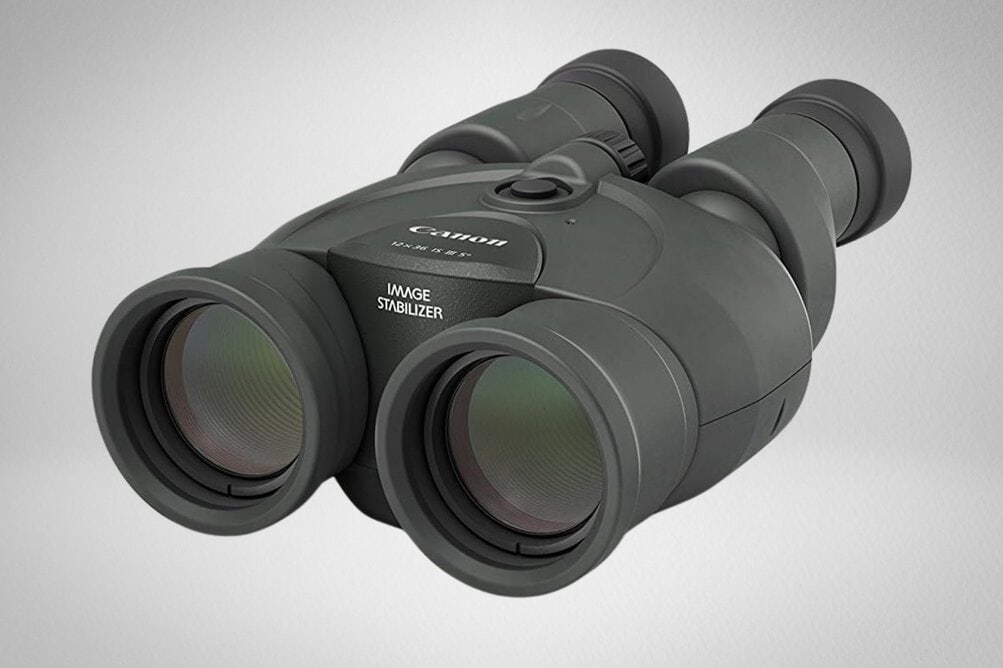
Image stabilityis key for clear views on water. Waves and boat movements cause shaking. Binoculars with anti-shake featuresreduce blur. This helps you see better for longer times.
The field of viewshows how wide the area looks through binoculars. A wider field lets you see more without moving the device. This is helpful when tracking objects on water.
| Feature | Why It Matters |
|---|---|
| Magnification | Higher magnification means closer views but can shake more easily. |
| Lens Size | Larger lenses gather more light for brighter images in low light. |
Maintenance Tips For Marine Binoculars
Cleaning after saltwater exposure is key to keeping binoculars working well. Rinse the binoculars with fresh water gently. Use a soft cloth to wipe away salt and dirt. Avoid strong soap or chemicals that can damage lenses or seals. Dry the binoculars with a clean towel or let them air dry in shade.
Store binoculars in a cool, dry place. Keep them in a protective case to avoid dust and scratches. Avoid leaving them in direct sunlight or hot areas. This helps maintain the waterproof seals and lens quality.
Handle binoculars carefully to avoid drops or bumps. Use a neck strap for added security. Avoid touching lenses with fingers to keep them clean. Regularly check for any damage or loose parts to fix early.
Credit: www.boatsailmag.com
Popular Waterproof Binocular Brands
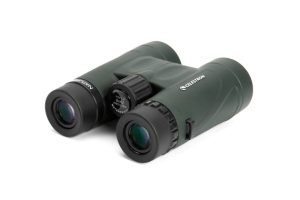
Budget-friendly optionsfor waterproof binoculars offer good value. Brands like Nikonand Celestronprovide solid performance without high costs. These models are lightweightand easy to carry during marine activities. They often include waterproofand fog-proof features to protect lenses. Perfect for casual boaters or beginners.
Premium marine binocularscome from brands like Fujinonand Steiner. These have superior opticsand build quality. Expect brighter images, better focus, and stronger waterproof seals. They are designed for harsh marine conditionsand long-term use. Ideal for serious sailors and marine professionals.
| Brand | Type | Key Features | Price Range |
|---|---|---|---|
| Nikon | Budget-Friendly | Waterproof, fog-proof, lightweight | $$ |
| Celestron | Budget-Friendly | Durable, waterproof, good optics | $$ |
| Fujinon | Premium | High clarity, waterproof, rugged | $$$$ |
| Steiner | Premium | Bright images, waterproof, tough build | $$$$ |
Choosing The Right Binoculars For Your Sport
Fishing and boating require binoculars that can resist water and salt. Waterproof models protect lenses from splashes and rain. Look for binoculars with good gripto hold them steady on wet decks. Lightweight designs reduce arm strain during long trips.
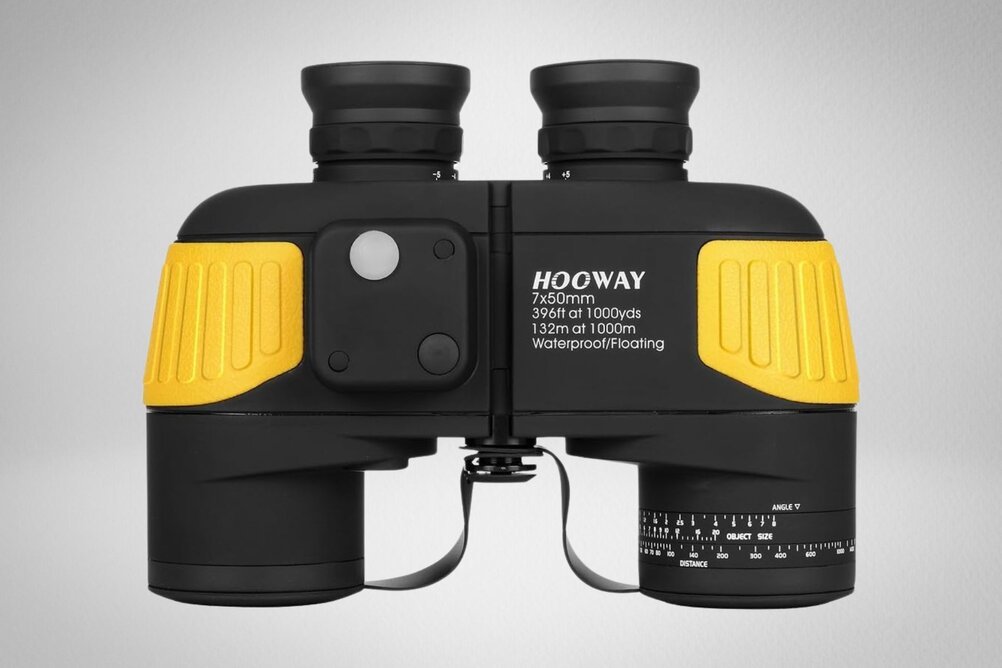
Sailing and water navigation demand binoculars with clear, sharp imagesto spot buoys and landmarks. Waterproof and fog-proof features are vital to avoid lens damage. A built-in compass helps with direction, enhancing safety on open water.
- Watersports need binoculars that are tough and waterproof.
- Quick focus is important for fast-moving action.
- Compact size makes carrying easier during activities.
- Safety is boosted by being able to see hazards early.

Credit: www.westmarine.com
Frequently Asked Questions
Are Waterproof Binoculars Essential For Marine Sports?
Yes, waterproof binoculars are essential for marine sports. They resist water damage and fogging, ensuring clear vision. This durability enhances safety and enjoyment while on water.
How Do Waterproof Binoculars Handle Saltwater Exposure?
Waterproof binoculars have sealed, corrosion-resistant coatings. These prevent saltwater from damaging lenses and internal parts. This makes them ideal for harsh marine environments.
Can Waterproof Binoculars Improve Navigation At Sea?
Yes, waterproof binoculars improve navigation by offering clear, magnified views. They help spot landmarks, buoys, and other vessels, aiding precise marine navigation.
What Features Should Marine Sports Binoculars Have?
Marine binoculars should be waterproof, fog-proof, and shock-resistant. Good grip, wide field of view, and anti-reflective lenses enhance performance on water.
Conclusion
Waterproof binoculars work well for marine sports. They handle water, rain, and splashes easily. You can see far without worrying about damage. Their clear view helps spot boats, birds, or fish quickly. They stay strong even in rough seas. Choosing the right pair makes your marine trips better.
They offer durability and good vision together. A smart choice for anyone on the water. Safe, clear, and ready for adventure.