Have you ever wondered if you can use night vision binoculars during the day? You might think these gadgets are only for dark, nighttime adventures.
But what if you could unlock their full potential and use them anytime, anywhere? You’ll discover the surprising truth about daytime use of night vision binoculars. By the end, you’ll know exactly when and how to make the most of your device – so keep reading to find out!
How Night Vision Binoculars Work
Night vision binoculars use special technologyto see in the dark. There are different types of this technology. Each has its own features. Image intensificationis one type. It makes dim light brighter. Another type is called thermal imaging. It detects heat from objects. This helps in seeing them. Some binoculars use digital night vision. They convert images into data. Then show them on a screen.
Image intensification makes small amounts of light stronger. It needs photocathode tubes. These tubes capture light particles. Then they convert them into electrons. The electrons hit a screen. This screen glows and makes the image brighter. The process is quick and helps in seeing in dark places. But it needs some light to work. It cannot work in total darkness.
Infrared light is not visible to our eyes. Night vision binoculars use it to see in dark areas. They have infrared illuminators. These devices shine infrared light. This light reflects off objects. The binoculars capture this reflected light. They turn it into a visible image. Infrared light helps when there is no natural light. It allows seeing clearly in complete darkness.
Daytime Use Limitations
Night vision binoculars are designed to work best in low lightor darkness. Bright light can cause glareand reduce image quality. The devices may not function well under direct sunlight or strong daylight.
Exposure to bright light can damage sensitive partsinside the binoculars. This damage may reduce their lifespanor make them stop working. Some night vision binoculars have protection features, but it is safer to avoid bright light exposure.
| Aspect | Effect During Daylight |
|---|---|
| Image Quality | Images appear washed out or blurry |
| Device Safety | Risk of permanent damage from bright light |
| Performance | Reduced sensitivity and poor visibility |
Situations For Daytime Use
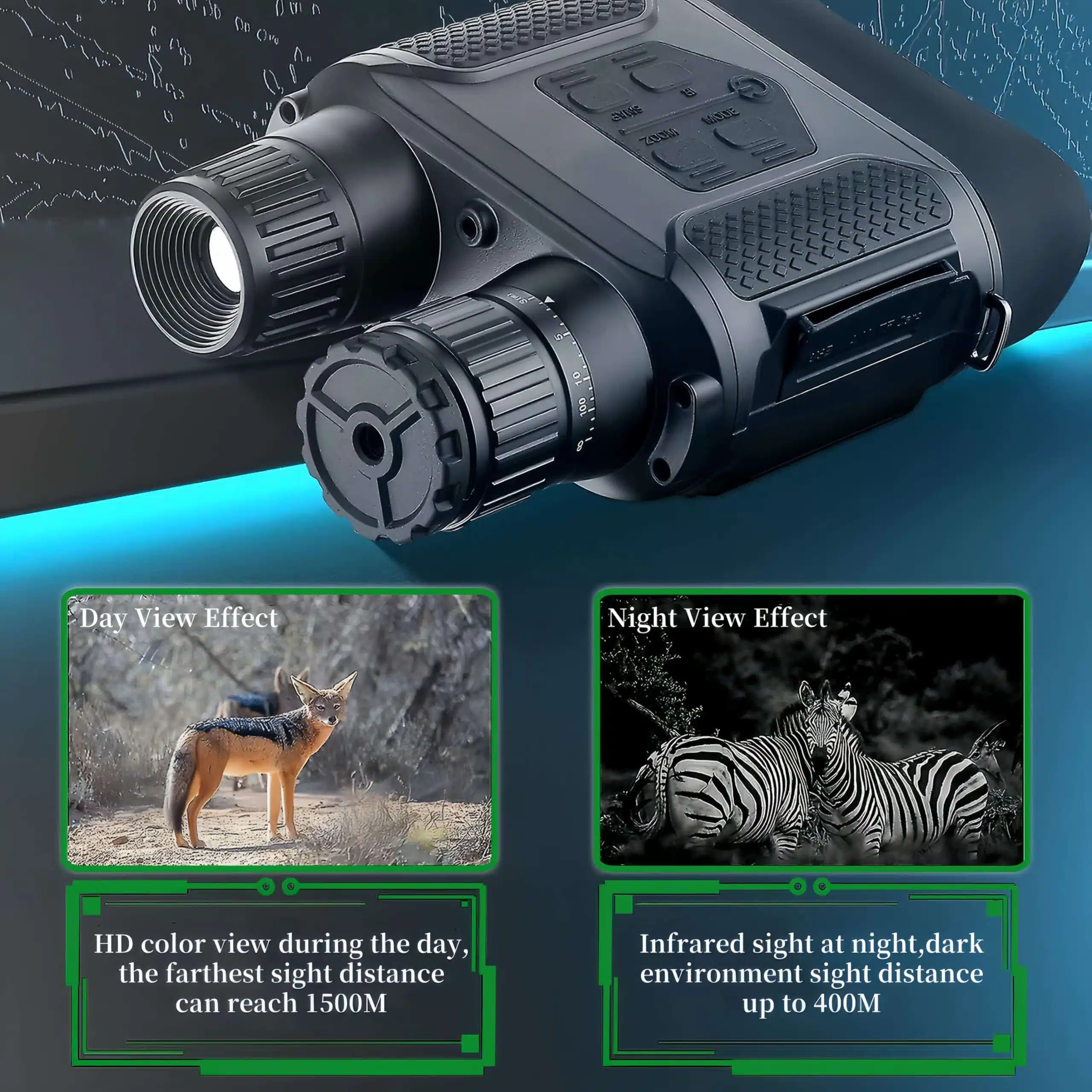
Night vision binoculars can work during the day in certain situations. Using infrared (IR) illuminationhelps enhance visibility in low light without bright sunlight. Some devices have built-in IR lights that make objects clearer in dusk or shaded areas.
Special models are made for both night and day use. These binoculars adjust automatically to bright light, protecting the lenses and the user’s eyes. They switch between night and day modes smoothly, making them versatile.
Practical uses include:
- Watching wildlife early morning or late evening
- Security checks in dimly lit places
- Navigation during foggy or cloudy weather
- Outdoor activities when light is weak but not fully dark
Credit: www.usnighthawk.com
Alternatives For Daytime Viewing
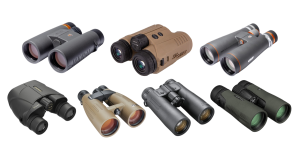
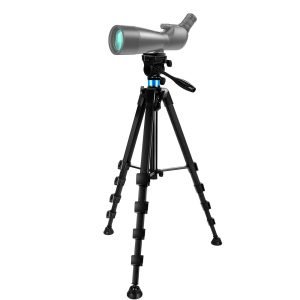
Regular binocularswork best during the day. They use lenses to magnify distant objects clearly. No batteries or special tech needed. Great for bird watching, sports, or hiking.
Thermal imaging devicesdetect heat instead of light. They show warm objects in bright colors. Useful for spotting animals or people in fog or darkness. They work well both day and night.
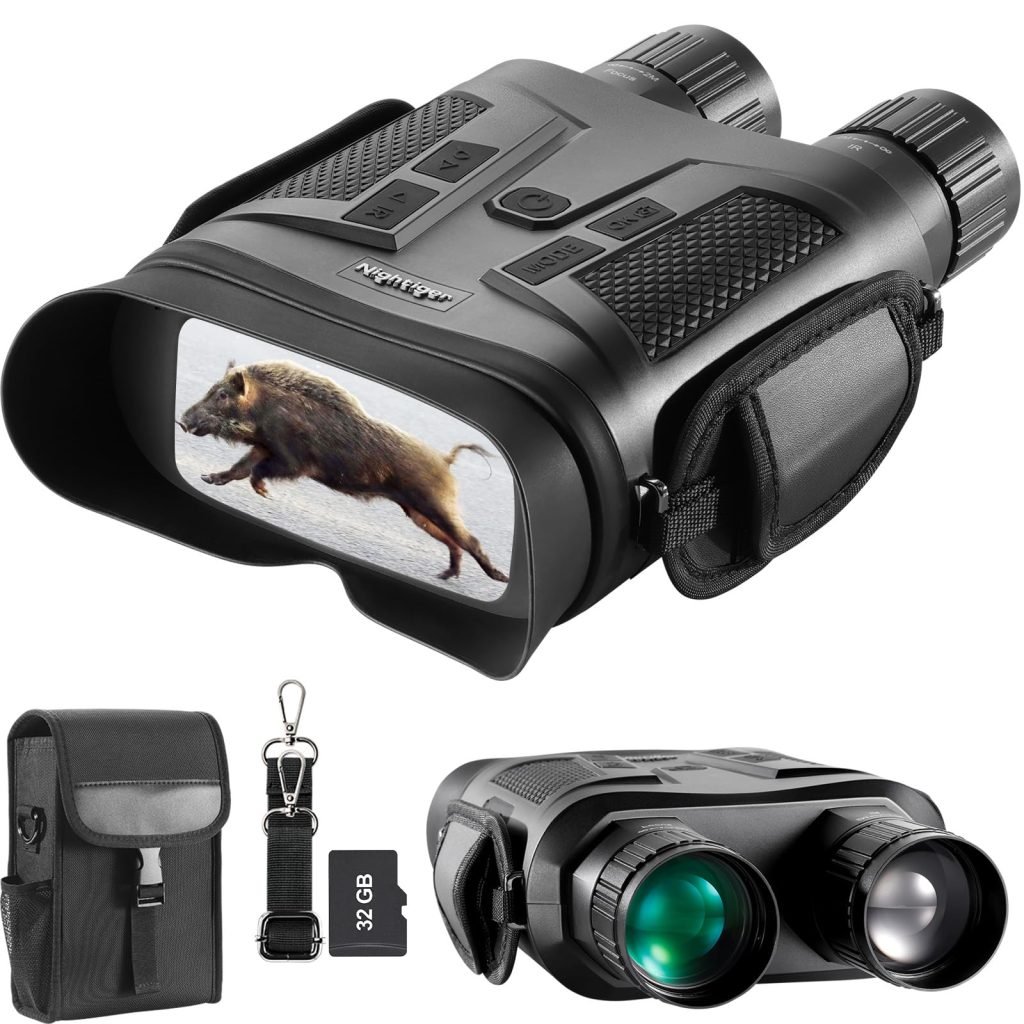
Digital night vision devicesuse a camera and screen. They can switch between day and night modes. Some models let you see in low light and full daylight. Easy to use and quite versatile.
Maintenance Tips For Night Vision Binoculars
Protect night vision binoculars from direct sunlight.Exposure to bright light can damage the sensitive lenses and internal components. Use lens caps when not in use to avoid sun harm. Avoid pointing the device at the sun to keep the image intensifier safe.
Store binoculars in a cool, dry place. Use a protective case to prevent dust and scratches. Avoid leaving them in hot cars or damp areas. Proper storage helps keep the device working longer.
- Clean lenses gently with a soft cloth.
- Do not use harsh chemicals or water.
- Handle with clean hands to avoid dirt and oils.
- Check and tighten screws if loose.
Regular cleaning and careful handling keep the binoculars sharp and ready.

Credit: www.amazon.com

Credit: www.usnighthawk.com
Frequently Asked Questions
Can Night Vision Binoculars Damage In Daylight?
Yes, strong daylight can damage night vision binoculars. They are designed for low-light use, and excessive light can overload their sensors.
Are Night Vision Binoculars Effective During The Day?
No, night vision binoculars are not effective in daylight. They amplify infrared light, which is minimal in bright conditions.
Can I Use Night Vision Binoculars Without Ir Illumination?
Using them without IR illumination reduces clarity significantly. IR light is essential for night vision to enhance visibility in dark environments.
Do Night Vision Binoculars Work Better Than Regular Binoculars By Day?
Regular binoculars outperform night vision ones in daylight. Night vision devices are optimized for low light, not bright daytime viewing.
Conclusion
Night vision binoculars work best in low light or darkness. Using them in daylight can damage the device and reduce its lifespan. They are not designed for bright conditions. For daytime use, regular binoculars are a better choice. Think about your needs before buying.
Choosing the right tool helps you see clearly anytime. Night vision is great for night, but not for day. Keep your equipment safe and use it wisely.