Have you ever wondered if your tripod compatible binoculars can handle the toughest weather conditions? Whether you’re out in pouring rain, freezing cold, or swirling snow, you want to trust your gear to perform without fail.
But can those binoculars truly stand up to extreme weather? You’ll discover what makes binoculars weatherproof, how tripod compatibility plays a role, and what you need to look for to keep your view clear no matter the storm. Keep reading to make sure your next outdoor adventure is nothing but crystal clear.

Credit: www.amazon.com
Tripod Compatible Binoculars Basics
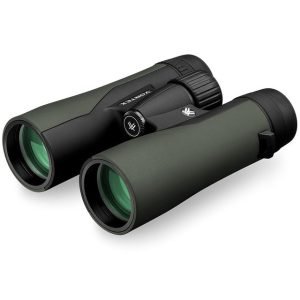
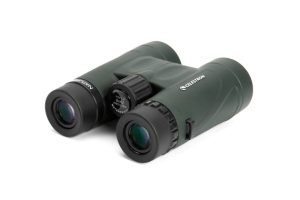
Tripod compatible binoculars often have sturdy builds to handle tough weather. Sealed and waterproof models work well in rain, snow, and wind. Using a tripod adds stability, making them reliable in extreme conditions.
Features Of Tripod Compatibility
Tripod compatible binoculars have a special mounting point. This point lets you attach them to a tripod easily. This feature is important for steady viewing. It helps reduce hand shake and gives a clearer view. Most tripod mounts are located under the binoculars. Some binoculars come with a built-in adapter. Others need a separate adapter for tripod use.
Types Of Binoculars Suitable For Tripods
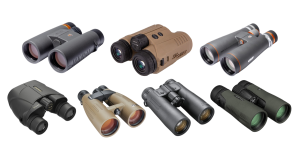
- Porro Prism Binoculars: Offer better depth perception.
- Roof Prism Binoculars: More compact and easier to use.
- Large Aperture Binoculars: Great for night sky watching.
- Zoom Binoculars: Allows you to see farther.
Challenges Of Extreme Weather
Extreme weather can be tough on tripod compatible binoculars. Cold and snow may cause the lenses to fog upor freeze. The tripod parts might become stiffor hard to move. Using hand warmers near the tripod can help.
Heat and humidity can damagethe binoculars’ seals. This might let moisture inside, causing foggingor mold. Store binoculars in a dry case to protect them.
Rain and moisture are big problems. Even water-resistant binoculars can leakif seals wear out. Use a rain cover or waterproof bag for extra safety.
Wind and dust can shakethe tripod, making it hard to keep binoculars steady. Dust may also get into moving parts, causing wear. Cleaning after use is important.
Durability Of Tripod Compatible Binoculars
Tripod compatible binoculars often have a sturdy buildto handle tough conditions. The frameis usually made from strong materialslike aluminum or magnesium alloy. These materials keep binoculars light yet durable. Rubber coatings add extra gripand shock protection.
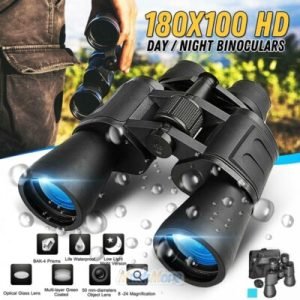
Weatherproofing is key for extreme weather use. Many models feature waterproof sealsto stop rain or snow from entering. They also have fog-proof fillingwith nitrogen or argon gas to prevent lens fogging in cold or humid air.
| Feature | Benefit |
|---|---|
| Lens Coatings | Protect lenses from scratches and glare |
| Armored Body | Improves shock resistance and grip |
| Sealed O-Rings | Keep out dust and moisture |
| Gas Purging | Prevents internal fogging in cold or wet weather |
Performance In Harsh Conditions
Tripod compatible binoculars offer better stabilityin extreme weather. This helps keep the image clear and steady, even in strong winds or rain. The tripod reduces hand shaking, which is very useful when viewing distant objects.
Fog and condensation can blur the lenses. Many binoculars have special coatingsor are sealed with nitrogento prevent fogging. This keeps the view sharp and clearin cold or humid conditions.
Temperature changes can cause the lens to focus differently. Some binoculars have adjustable focusto fix this issue quickly. Using a tripod helps maintain the right angle and keeps the view stable during adjustments.
Choosing The Right Tripod
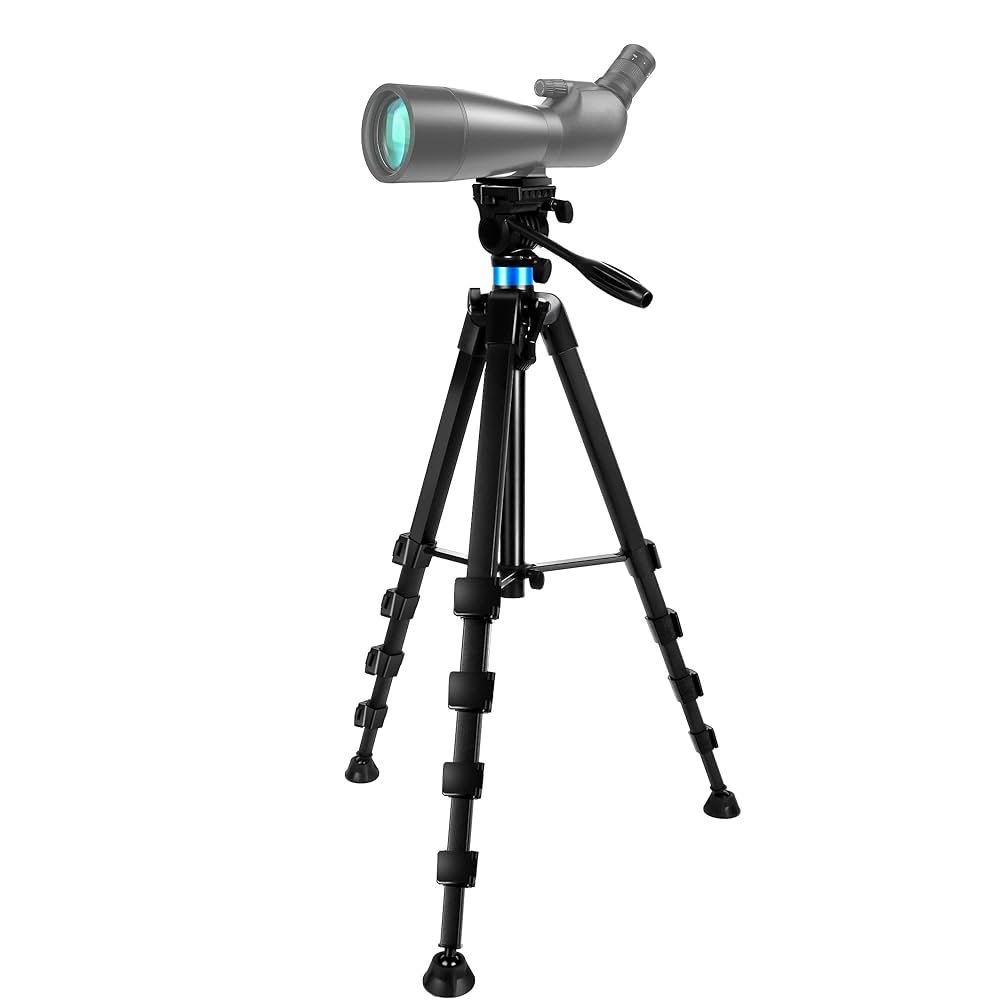
Stability in windy conditionsis essential for clear viewing. Choose a tripod with thick legsand non-slip feet. These features prevent shaking. Some tripods have weights or hooksto add balance. This helps in strong winds.
| Material | Resistance to Elements |
|---|---|
| Aluminum | Lightweight, but can corrode in salt air |
| Carbon Fiber | Strong, resists rust, good for wet weather |
| Stainless Steel | Very strong and rustproof, heavier |
- Portability: Look for light and foldable tripods.
- Setup Ease: Tripods with quick locks save time.
- Easy setup helps focus fast on the view.

Credit: www.amazon.com
Maintenance Tips For Extreme Weather Use
Keep binocular lenses clean by wiping with a soft cloth. Use lens cleaning solution for tough dirt. Avoid harsh chemicals that can damage coatings.
Dry binoculars carefully after use in rain or snow. Use a dry cloth and air dry in a warm place. Never use a hairdryer or direct heat.
- Store binoculars in a dry, cool place to prevent moisture build-up.
- Use a protective case to avoid dust and scratches.
- Keep silica gel packs with binoculars to absorb moisture.
| Inspection Task | What to Check |
|---|---|
| Lens Condition | Look for scratches or smudges on lenses |
| Body Integrity | Check for cracks or loose parts |
| Focus Mechanism | Ensure smooth and accurate focusing |
| Repairs | Fix or replace damaged parts promptly |
Expert Tips For Field Use
Tripod compatible binoculars offer stable viewing in harsh weather conditions like rain, wind, or snow. Their sturdy design helps maintain clear images despite extreme cold or heat. Always check weatherproof features before use to ensure reliable performance outdoors.
Prepping Before The Trip
Check the binoculars’ tripod mount for tightness. Use weatherproof covers to protect lenses from rain and dust. Pack a microfiber cloth to clean lenses gently. Carry extra batteries if your binoculars have electronic parts. Test the tripod stability on uneven ground before heading out. Choose a sturdy tripod that can handle strong winds. Practice setting up the binoculars quickly to save time during field use.
Handling Sudden Weather Changes
Move the binoculars under shelter during heavy rain or snow. Use lens caps when not in use to avoid moisture damage. Avoid touching lenses with wet hands to prevent smudges. Dry the binoculars with a soft cloth after exposure to water. Keep binoculars inside a sealed bag to reduce fogging. If fog appears inside, open the binoculars in a warm, dry place to let moisture escape.
Maximizing Binocular Lifespan
- Store binoculars in a cool, dry place after each trip.
- Clean lenses regularly with a proper lens cloth.
- Lubricate moving parts lightly if recommended by the manufacturer.
- Inspect tripod screws and tighten if loose.
- Avoid leaving binoculars in direct sunlight for long periods.
- Use protective cases for transport and storage.

Credit: www.amazon.com
Frequently Asked Questions
Can Tripod Compatible Binoculars Withstand Extreme Weather Conditions?
Yes, many tripod compatible binoculars are designed with weather-resistant features. They often include waterproof and fog-proof seals to handle rain, snow, and humidity. However, always check the product specifications for durability in specific extreme weather environments before use.
How Do Tripod Mounts Improve Binocular Stability In Harsh Weather?
Tripod mounts provide a stable platform, reducing hand shakiness caused by wind or cold. This stability enhances viewing clarity during adverse weather. Using a tripod also protects your binoculars from accidental drops in slippery conditions, ensuring safer and steadier use.
Are There Specific Materials Better For Binoculars In Extreme Weather?
Binoculars made with rubber armor and high-quality metal alloys offer better grip and durability. These materials resist temperature changes, moisture, and impacts, making them ideal for extreme weather. Look for models labeled as rugged or tactical for enhanced weather resistance.
Does Extreme Cold Affect Tripod Compatible Binocular Performance?
Extreme cold can affect battery life in binoculars with electronic features and cause lens fogging in non-sealed models. Tripod compatible binoculars with fog-proof and insulated designs maintain optimal performance by preventing condensation and thermal damage during cold conditions.
Conclusion
Tripod compatible binoculars handle many harsh weather conditions well. They offer steady views during rain, wind, or cold. Still, check the product’s weatherproof features before buying. Proper care keeps binoculars working longer in tough environments. Using a tripod adds stability and comfort in extreme weather.
These binoculars suit outdoor activities like bird watching or hiking. Choose ones designed for your climate to get the best use. Small details matter for lasting performance. Stay prepared, and enjoy clear views no matter the weather.