Are you tired of shaky hands ruining your view through binoculars? Attaching your binoculars to a tripod can change everything.
It gives you steady, clear images, making birdwatching, stargazing, or sightseeing much more enjoyable. But how exactly do you connect your binoculars to a tripod? You’ll discover simple, step-by-step instructions that anyone can follow. By the end, you’ll know exactly how to set up your gear for the best, most stable viewing experience possible.
Keep reading to unlock the secret to crystal-clear sights every time.

Credit: powrig.com
Choosing The Right Tripod
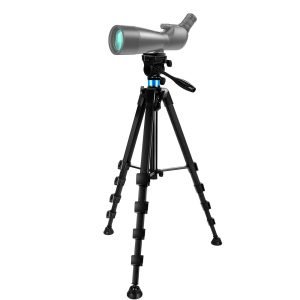
Choosing the right tripod helps keep binoculars steady for clear views. Tripods come in many types. Table tripods are small and easy to carry. Floor tripods stand tall and are very stable. Flexible tripods bend to attach to poles or branches.
| Tripod Type | Best For | Notes |
|---|---|---|
| Table Tripod | Lightweight binoculars | Compact and portable |
| Floor Tripod | Long viewing sessions | Offers strong stability |
| Flexible Tripod | Uneven surfaces | Wraps around objects |
Weight and height matter a lot. The tripod should hold the binoculars without shaking. Choose a tripod that fits your height for easy use. Too tall or too short makes viewing hard.
Material affects strength and weight. Aluminum tripods are light but strong. Steel tripods are very sturdy but heavy. Carbon fiber tripods are light and strong but cost more. Pick one that lasts and feels good to carry.
Credit: powrig.com
Checking Your Binoculars For Compatibility
Most binoculars have a tripod adapter socket. This socket is a small hole or threaded part on the binoculars. It allows you to attach the binoculars to a tripod easily. The socket is usually located at the center hingeof the binoculars.
Some binoculars come with built-in tripod mount features. These mounts make it simple to connect to a tripod without extra parts. Others need a special tripod adapterthat fits into the socket.
| Type | Socket Location | Mount Feature |
|---|---|---|
| Standard Binoculars | Center hinge or under the barrel | Needs separate adapter |
| Binoculars with Built-in Mount | Center hinge with threaded socket | Ready to connect directly |
Selecting A Tripod Adapter
Choosing the right tripod adapter ensures a secure fit between your binoculars and tripod. Check the adapter’s size and compatibility with your binocular model. A proper adapter keeps your view steady and comfortable for long periods.
Universal Adapters
Universal adapters fit many binoculars. These adapters are easy to find. They attach quickly to most tripods. Versatile and simple to use, they make things easier. Choose one for different binocular sizes.
Brand-specific Adapters
Some adapters are made for special brands. These fit perfectly with certain binoculars. Compatibility is key with these choices. They ensure a snug fit. Always check if your binocular brand has one.
Adapter Materials And Sizes
Adapters come in different materials like plastic or metal. Sturdy metal is great for heavy use. Sizes vary for different binocular models. Make sure your adapter matches your binocular size.
Attaching The Adapter To The Binoculars
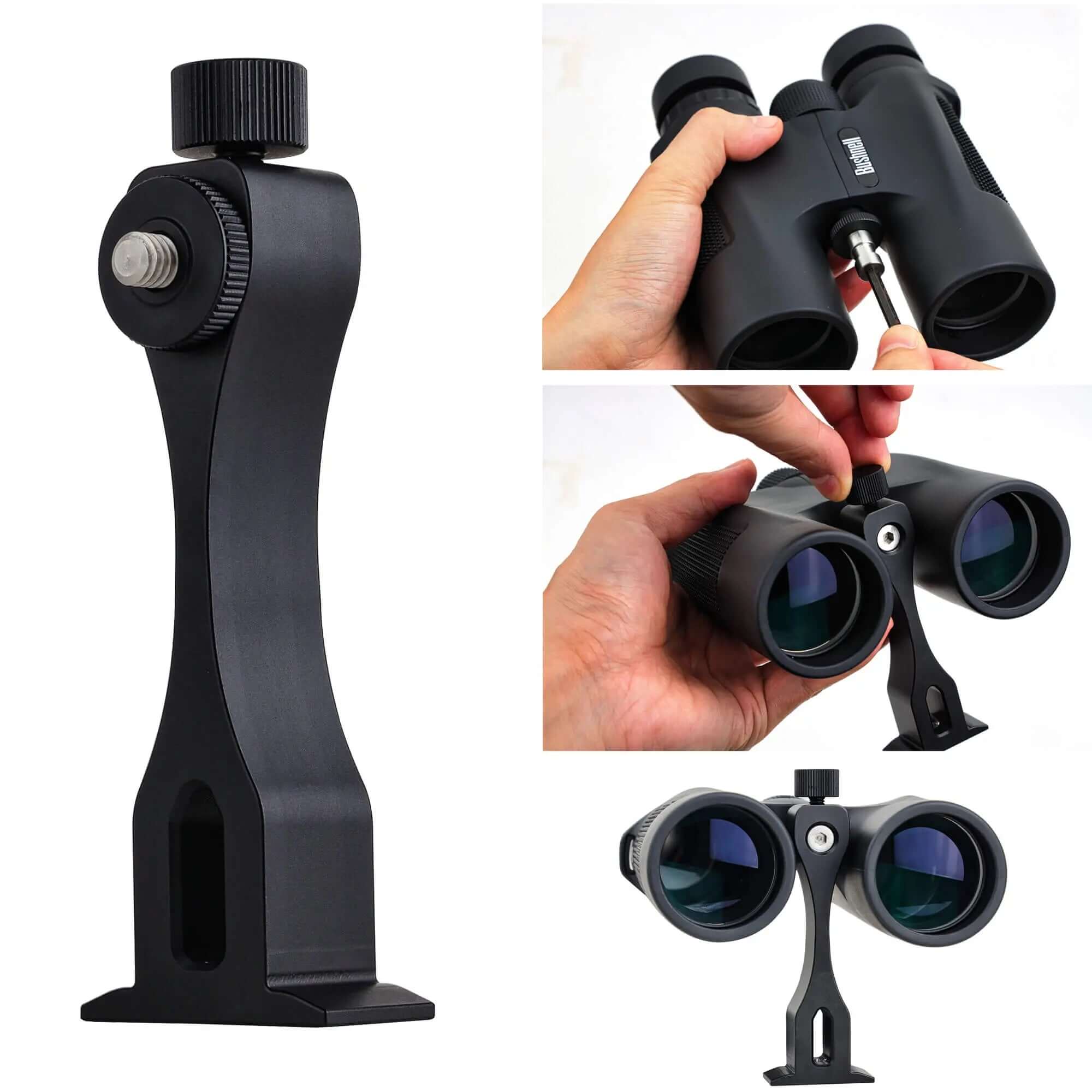
Start by finding the adapter that fits your binoculars. Look for the threaded hole on the bottom of the binoculars. Align the adapter’s screw with this hole carefully. Make sure the adapter sits flat and straight.
Secure the adapter by turning the screw clockwise. Tighten it until it feels firm but not too tight. Over-tightening can damage the binoculars or adapter. Check if the adapter is stable by gently moving it.
- Adapter fits binoculars’ threaded hole
- Align adapter flat and straight
- Tighten screw firmly, not too much
- Test stability with gentle movement
Mounting Binoculars On The Tripod
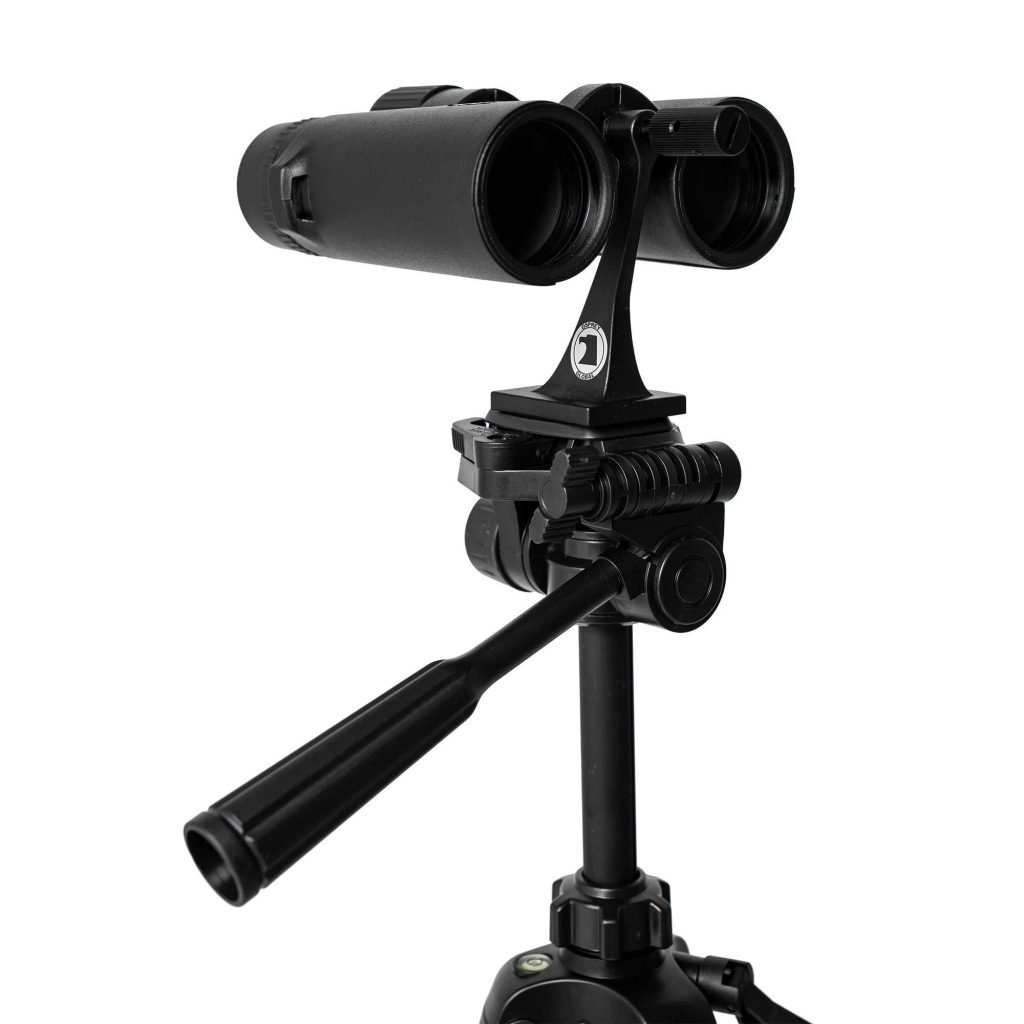
Attach the adapter to the tripod head using the screw mount. Align the adapter hole with the tripod screw. Turn the screw clockwise until tight. Make sure it feels secure but avoid over-tightening.
Place the binoculars on the adapter plate carefully. Check that the binoculars fit the adapter properly. Use the locking mechanism to hold the binoculars in place.
- Tighten locking knobs firmly to prevent movement.
- Ensure the binoculars sit steady and do not wobble.
- Adjust the tilt and swivel using the tripod head controls.
- Lock the tripod head to keep the binoculars steady.
Test stability before using the binoculars for viewing. Adjust tightness if there is any shake or slip.
Adjusting For Stability And Comfort
Balancing the binoculars on the tripod is key for steady viewing. Place the binoculars on the tripod’s mounting plate. Adjust the position until the binoculars feel stable and do not tip forward or backward. This prevents shaking during use.
Adjusting tripod legs helps achieve the right height and firmness. Spread the legs evenly on the ground. Change the length of each leg to level the binoculars, especially on uneven surfaces. Lock the legs firmly to avoid movement.
Fine-tuning the viewing angle improves comfort and clarity. Tilt the binoculars up, down, or sideways to find the best view. Use the tripod head’s adjustment knobs to make small changes. This helps keep your neck and eyes relaxed during long use.
Maintaining Your Setup
Check all screws and bolts for tightness regularly. Loose parts can cause the binoculars to wobble or fall.
Use a small wrench or screwdriver to tighten any loose fittings. Avoid over-tightening to prevent damage.
Keep the tripod and binoculars clean. Dust and dirt can cause wear and reduce performance.
Wipe lenses gently with a soft cloth made for optics. Avoid using paper towels or rough fabrics.
Store the binoculars and tripod in a dry place. Moisture can lead to rust or mold growth.
Use a lens cover when not in use to protect from scratches and dust.
- Check tripod legs for cracks or damage.
- Lubricate moving parts with light oil if needed.
- Inspect mounting plate for wear or bending.

Credit: powrig.com
Frequently Asked Questions
How Do I Attach Binoculars To A Tripod?
Attach binoculars using a tripod adapter or a binocular tripod mount. Secure the adapter to the binoculars’ center hinge, then screw the adapter onto the tripod’s mounting plate. Make sure it is tightly fastened to avoid wobbling during use.
What Tripod Adapter Do I Need For Binoculars?
You need a binocular tripod adapter compatible with your binocular model. Most adapters fit standard 1/4-inch tripod screws. Check your binoculars’ center hinge for a threaded hole or use a clamp-style adapter if none exists.
Can All Binoculars Be Mounted On Tripods?
Not all binoculars can be mounted directly. Only those with a tripod thread or compatible adapter can. For others, use a clamp-style tripod adapter designed to hold binoculars securely without a thread.
Why Use A Tripod With Binoculars?
A tripod provides stability, reducing hand shake and fatigue. It allows prolonged viewing and better image clarity, especially at high magnifications. Tripods are essential for birdwatching, stargazing, and long observation sessions.
Conclusion
Attaching binoculars to a tripod makes viewing steadier and clearer. It helps reduce hand shake and lets you focus on details. The process is simple and does not take much time. Just use the right adapter and tighten the screws well.
This setup works great for bird watching, stargazing, and long-distance viewing. Enjoy sharper images and less tired hands with your tripod. Give it a try and see the difference yourself. A small step for better viewing comfort and precision.