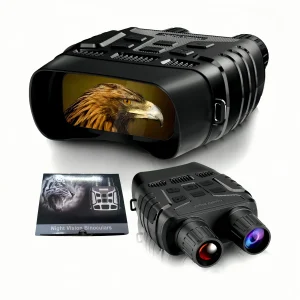
Have you ever tried to get a clear view through binoculars, only to be frustrated by shaky, blurry images? If so, you’re not alone.
Your hands naturally tremble, making it hard to focus on distant objects. That’s where image stabilized binoculars come in. They are designed to keep the view steady, even if your hands aren’t. But how exactly do they work? Understanding this can help you choose the right pair and enjoy sharp, stable views every time.
Let’s dive in and discover the magic behind image stabilized binoculars.
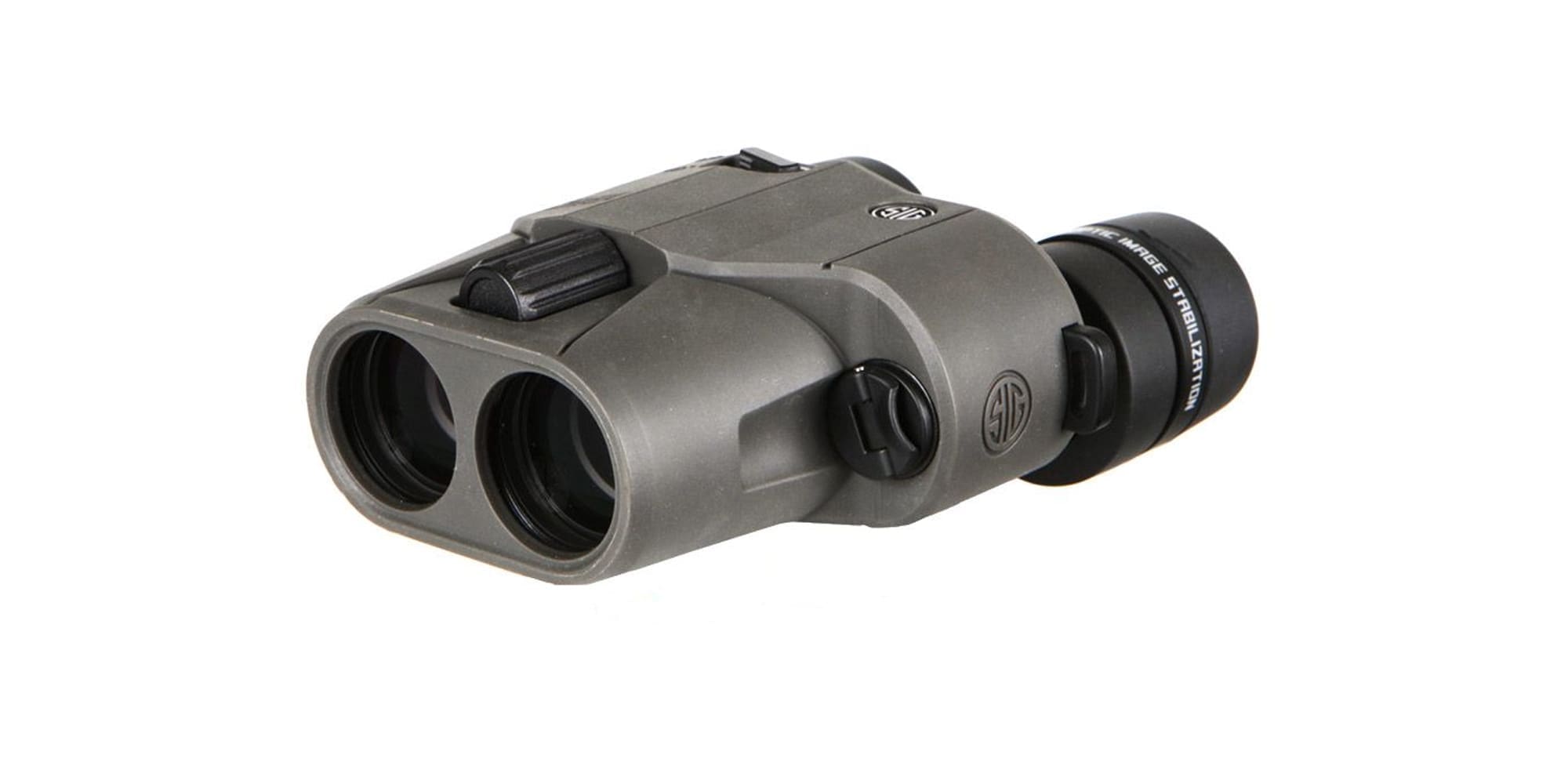
Credit: westernhunter.net
Basics Of Image Stabilization
Image stabilization reduces shaking effects. It helps in capturing clear images. Binoculars need stabilization for steady views. Without it, images can blur. It’s crucial for long-distance viewing. Stabilization allows seeing distant details clearly.
Role In Binoculars
Binoculars use lenses to magnify. Shaking can affect clarity. Stabilization keeps images steady. This makes viewing easier. It’s important for bird watchers. Nature lovers need stable images. Stabilization helps see fine details.
Common Techniques
- Gyroscope-based stabilization
- Electronic stabilization
- Mechanical stabilization
Gyroscope uses spinning parts. It senses movement quickly. Electronic stabilization adjusts images automatically. It uses sensors and software. Mechanical stabilization uses springs and weights. It balances the binoculars. Each technique has its benefits.
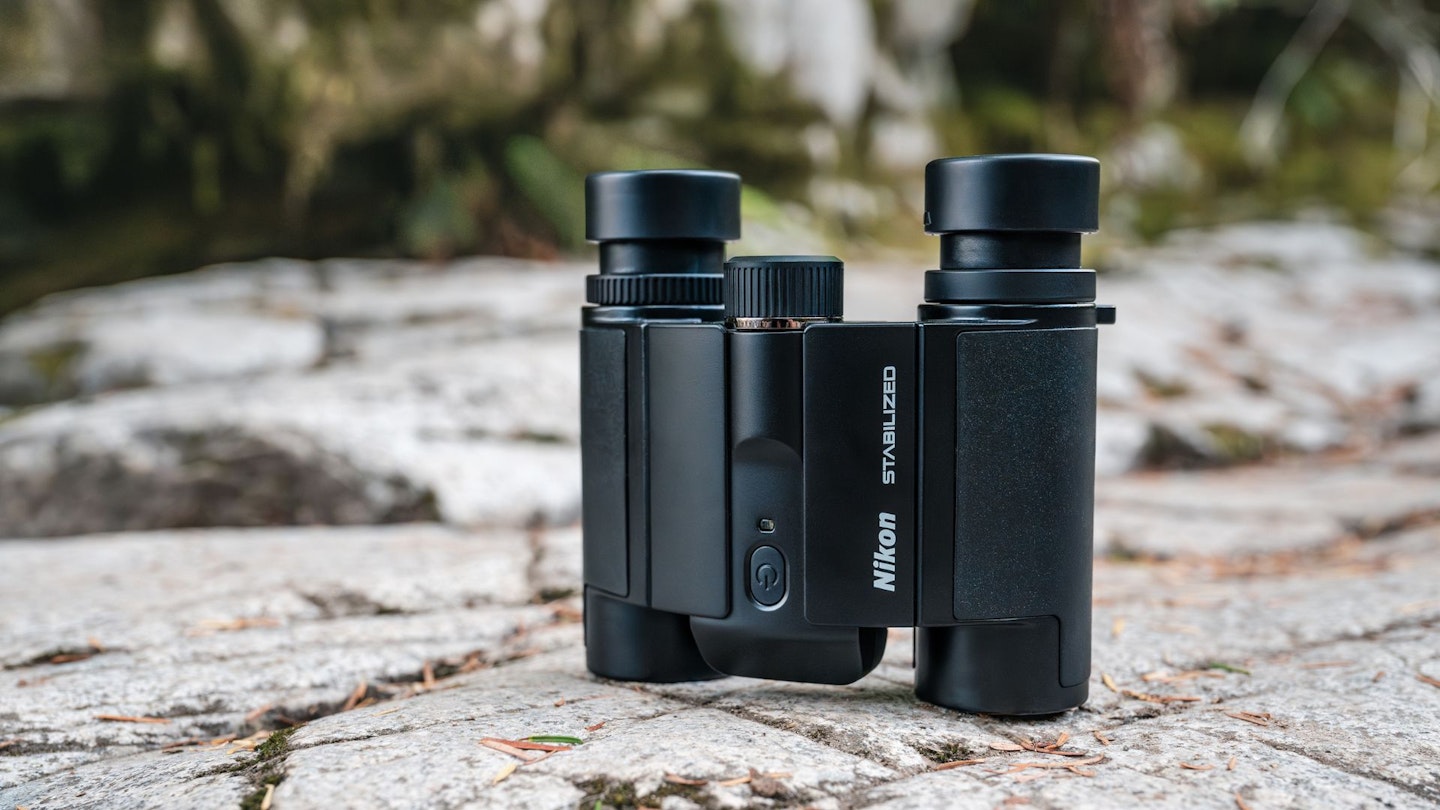
Credit: www.birdwatching.co.uk
Types Of Image Stabilization Systems
Optical stabilizationuses small lenses or prisms inside the binoculars. These parts move to cancel out hand shakes. This keeps the image clear and steady. It works by sensing motion and adjusting the lens position quickly.
Electronic stabilizationuses sensors and a small computer. The sensors detect shakes and the computer fixes the image on the screen. This method is common in digital binoculars. It helps reduce blur but needs batteries to work.
Hybrid methodscombine both optical and electronic ways. They offer better stability than using one method alone. Optical parts handle small shakes. Electronics manage bigger movements for clearer views.
Components Behind Stabilization
Gyroscopes and sensorsdetect small hand movements. They help the binoculars stay steady. These parts sense the shake and send signals to correct it.
Movable lenses and prismsshift inside the binoculars. They move to cancel out the hand shake. This keeps the image clear and steady for your eyes.
Microprocessorsact like the brain. They get signals from sensors and control lens movement. This quick response helps keep the picture sharp and stable.
How Stabilization Enhances Viewing
Image stabilized binocularsreduce hand shake by using tiny motors or gyroscopes. These parts sense movement and adjust the lenses quickly. This keeps the picture steady even if your hands move. It makes it easier to see clear images without blur.
At high magnification, even small shakes cause big blurs. Stabilization helps keep the view sharp and clear. This is very helpful for birdwatching or sports events where details matter.
| Activity | Benefit of Stabilized Binoculars |
|---|---|
| Birdwatching | Clear and steady images of small, fast-moving birds. |
| Hiking | Stable view despite rough or shaky terrain. |
| Sports Events | Easy to follow fast action without blur. |
| Boating | Reduces shaking from waves for better vision. |
Challenges And Limitations
Image stabilized binocularsneed power to reduce shaking. This power comes from batteries. Batteries can run out fast, especially with long use. This means you must carry extra batteries for long trips.
Cost is another challenge.These binoculars are usually more expensive than regular ones. The technology inside adds to the price. Sometimes repairs can be costly too.
Size and weightalso matter. The extra parts for stabilization make binoculars heavier. They can be bulkier and less easy to carry. This may cause discomfort during long use or hikes.
| Challenge | Description |
|---|---|
| Power Consumption | Uses batteries that may drain quickly |
| Cost Factors | Higher price due to advanced technology |
| Size and Weight | Heavier and bulkier than regular binoculars |
Future Trends In Image Stabilized Binoculars
Image stabilized binoculars are evolving with better technology. New models use smaller, faster sensorsto reduce shake. This helps users see clearer images even when moving.
They now often include digital features. Some have built-in compasses, GPS, and rangefinders. These tools help with outdoor activities like hiking or birdwatching.
Future designs may add smartphone connectivity. This lets users share views or record what they see easily. Voice commands might also become common for easier control.
- Improved image sensors for sharper views
- Integration with GPS and digital compasses
- Wireless connection to smartphones
- Voice control for hands-free use

Credit: www.nikon.co.uk
Frequently Asked Questions
What Is The Main Purpose Of Image Stabilized Binoculars?
Image stabilized binoculars reduce hand shake and vibrations. They provide a steady and clear view. This makes them ideal for long-distance observation and low-light conditions.
How Do Image Stabilization Mechanisms Work In Binoculars?
They use gyroscopes or electronic sensors to detect movement. The system adjusts lenses or prisms to counteract shaking. This keeps the image stable and focused.
Are Image Stabilized Binoculars Better For Bird Watching?
Yes, they help keep birds in clear view despite hand movement. This improves detail and tracking, especially with high magnification models.
Can Image Stabilized Binoculars Be Used In Low Light?
Yes, stabilization allows longer viewing without blur. This enhances performance in dawn, dusk, or dense foliage.
Conclusion
Image stabilized binoculars reduce shaking and blur. They use technology to keep images steady. This helps you see distant objects clearly. The stabilizer works by adjusting lenses or sensors fast. It makes viewing easier, especially when holding binoculars by hand.
These binoculars suit outdoor activities like bird watching or sports. Understanding how they work helps you choose the right pair. Clear, stable views improve your experience outdoors. Try them to enjoy sharper and steadier images every time.