Are you struggling to see clearly through your ED glass binoculars when the light fades? You’re not alone.
Low light conditions can make even the best binoculars feel useless, but with the right techniques, you can unlock their full potential. Imagine spotting details others miss during dawn, dusk, or overcast days. You’ll discover simple, practical tips to help you get sharper, brighter views when light is limited.
Keep reading, and turn those dim moments into clear, unforgettable sights.
Benefits Of Ed Glass Binoculars
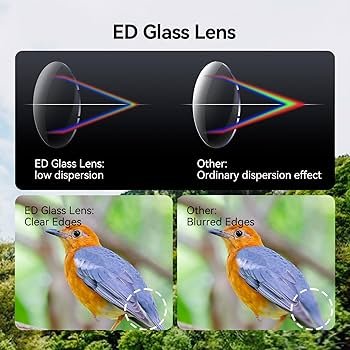
ED glass binocularsallow more light to pass through. This means objects appear brighter. It helps in low light conditions. More light means better visibility.
These binoculars provide clearer images. You see details better. Everything looks more defined. No blurry edges. Clarity helps in observing objects. Even in the dark, you see clearly.
Chromatic aberrationis when colors blur together. ED glass reduces this problem. Colors remain separate. This leads to more accurate images. You see the true colors of objects. Even in dim light.

Credit: www.amazon.com
Choosing The Right Binoculars
Optimal magnificationfor low light is usually between 7x and 10x. Higher magnification can make images dimmer and harder to see. A larger aperture(around 42mm or more) lets in more light, making images brighter at dusk or dawn.
Coating on lenseshelps reduce glare and improve light transmission. Look for binoculars with fully multi-coated lensesfor the best brightness and clarity. Good coatings also protect lenses from scratches and dust.
| Feature | Importance for Low Light | Notes |
|---|---|---|
| Magnification | Medium (7x – 10x) | Higher causes dimmer images |
| Aperture | Large (42mm+) | More light for brighter view |
| Lens Coating | Fully multi-coated | Better light and less glare |
| Weight | Light to medium | Comfortable for long use |
Lightweight binoculars are easier to hold steady. Comfort is key for long viewing times. Choose binoculars with soft, rubber grips and adjustable eye cups for a better fit.
Preparing For Low Light Use
Adjusting eye reliefhelps you see clearly through your binoculars. Make sure the eyecups are set to match your eye distance. This avoids dark edges around the view. It also makes viewing more comfortable, especially if you wear glasses.
Using stable supportkeeps your binoculars steady. Hold them with both hands or rest them on a flat surface. This reduces shaking and helps you see details better in low light. A tripod can be very useful for long viewing sessions.
Keep your binoculars clean for the best view. Use a soft cloth to wipe lenses gently. Avoid using rough materials that can scratch. Store your binoculars in a dry place to prevent dust and moisture. Regular cleaning and care extend their life and improve performance.
Techniques For Better Visibility
Maximizing available light is key for better views with ED glass binocularsin low light. Use open areas with less shade to catch more natural light. Early mornings and late afternoons offer softer light that helps improve clarity. Avoid dark rooms or dense forests where light is minimal.
Proper focusing helps sharpen images. Slowly adjust the focus wheel until the object looks clear. Focus on one eye first, then use the central wheel for both eyes. A sharp focus reduces eye strain and improves detail visibility.
Avoiding glare and reflections is essential. Hold binoculars steady to prevent shaking, which causes light to scatter. Use the lens covers or lens hoods if available. Also, tilt the binoculars slightly to change the angle and reduce unwanted reflections.
Additional Accessories To Enhance Experience
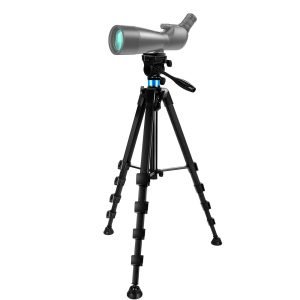
Tripods and mounts help keep binoculars steady. This reduces shaking and makes images clearer. They are very useful in low light to avoid blurry views. Some mounts attach easily to binoculars for quick use.
Lens covers and caps protect the lenses from dust and scratches. Keeping lenses clean improves the image quality. Using covers when not in use also helps keep the lenses safe during travel.
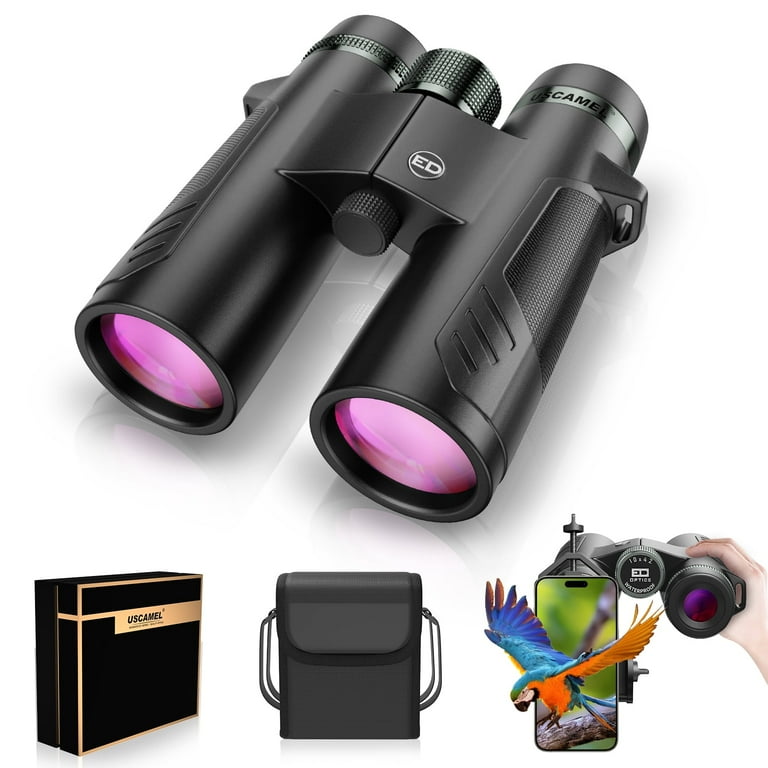
Carrying cases and straps make it easier to carry binoculars. Cases protect binoculars from damage and dirt. Straps allow hands-free carrying, which is good during long walks or hikes.
Credit: www.walmart.com
Common Mistakes To Avoid
Over-magnificationin low light makes images dark and blurry. Use lower magnification for clearer views. Brightness is key in dim places.
Ignoring binocular alignmentcauses double images and eye strain. Check the alignment often. Proper alignment gives sharp, clear images.
Neglecting regular cleaning leads to dirt and smudges on lenses. Clean lenses with a soft cloth. Clear lenses improve light and image quality.
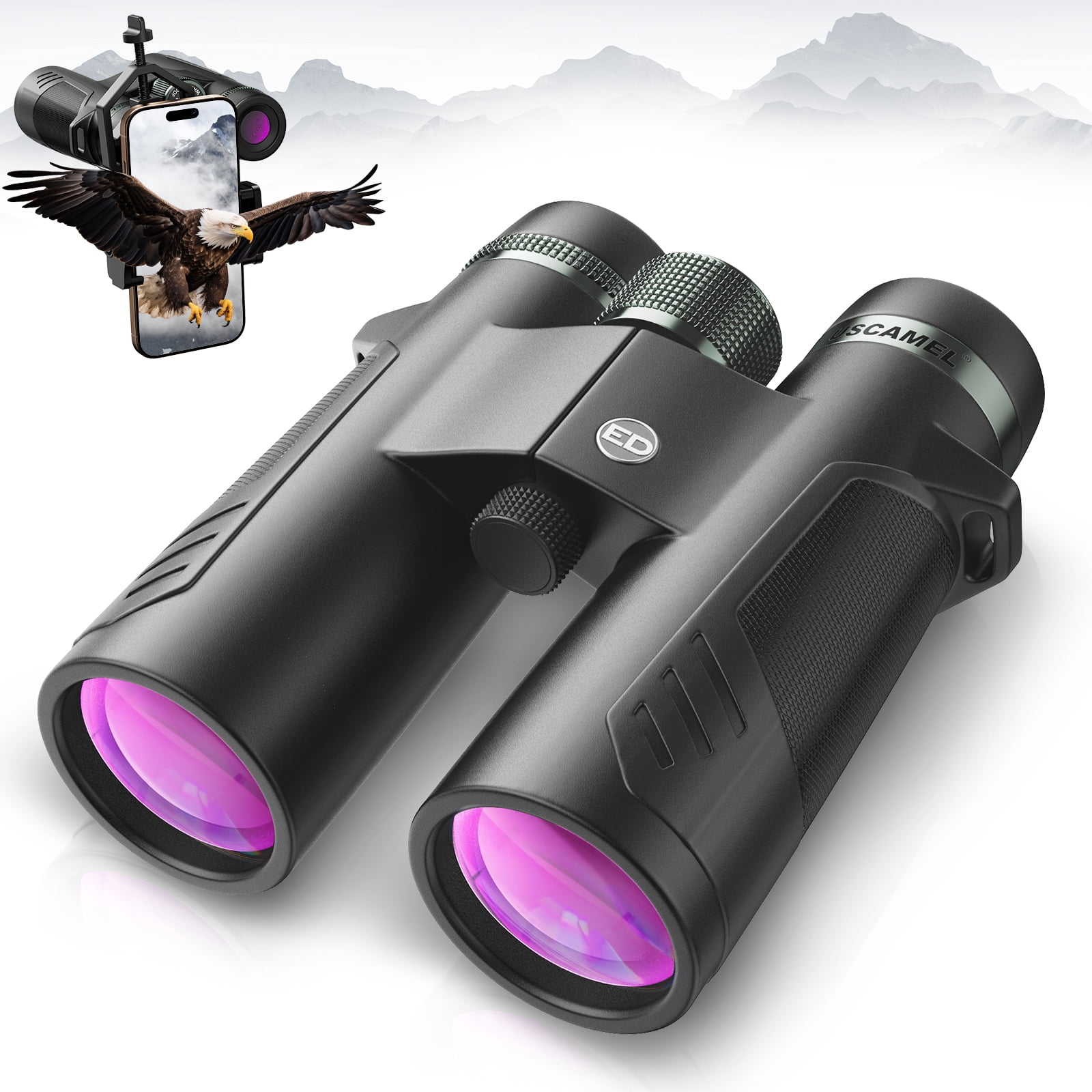
Credit: www.walmart.com
Frequently Asked Questions
How Do Ed Glass Binoculars Improve Low Light Visibility?
ED glass reduces chromatic aberration, enhancing image clarity in dim light. This allows sharper and brighter views during dawn, dusk, or cloudy conditions.
What Settings Optimize Ed Glass Binoculars For Low Light?
Use a wider aperture and lower magnification. This increases light intake and provides brighter, clearer images in low light environments.
Can Ed Glass Binoculars Be Used For Night Viewing?
While not designed for complete darkness, ED glass binoculars perform well in low light. They enhance details during twilight and moonlit conditions.
How To Maintain Ed Glass Binoculars For Best Low Light Use?
Keep lenses clean and avoid scratches. Store in a dry place to prevent fogging, ensuring optimal light transmission and image quality.
Conclusion
Using ED glass binoculars in low light can greatly improve your viewing experience. Bright, clear images help you see details even at dusk or dawn. Keep the lenses clean and adjust the focus carefully for best results. Choose binoculars with a wide objective lens for more light.
Hold them steady to avoid blurry views. Practice these tips to enjoy nature or events in low light. Clear vision is possible with the right tools and techniques. Keep exploring, and your binoculars will serve you well after dark.