Are you tired of your binoculars fogging up or getting damaged when you’re out in wet conditions? Choosing the right waterproof binoculars can make all the difference in your outdoor adventures.
But with so many options available, how do you find the perfect pair that fits your needs and budget? You’ll discover simple tips to help you pick binoculars that stay clear, last longer, and give you the best view—no matter the weather.
Keep reading, and you’ll never miss a moment because of rain or moisture again.
Key Features Of Waterproof Binoculars
Waterproof binoculars must have sealed lenses and fog-proof features to keep vision clear in wet conditions. Durable materials and rubber coatings protect against drops and water damage. Easy grip and lightweight design improve comfort during outdoor use.
Waterproof Ratings Explained
Waterproof ratings show how well binoculars handle water. Look for IPX ratings. A higher number means better protection. IPX7 can survive in water for 30 minutes. IPX8 can go deeper and stay longer. Always check these numbers before buying.
Fog Resistance And Sealing
Fog resistance keeps lenses clear in wet weather. Look for nitrogen-filled or argon-filled binoculars. These gases prevent fog inside. Proper sealing stops water from entering. Rubber seals work best. They protect against rain and dust.
Durability And Build Quality
Durability is key for outdoor use. Strong materials like rubber armor protect binoculars from falls. Metal parts last longer than plastic. Check for scratch-resistant lenses. Good build quality ensures long-lasting use. Choose binoculars with a solid feel.
Credit: www.youtube.com
Choosing The Right Magnification And Lens Size
Higher magnificationmakes objects look bigger but can cause shaky images. Lower magnification gives a stable viewand is easier to hold steady. Choose magnification based on how steady your hands are and the distance you want to see.
The lens diameteraffects how much light enters the binoculars. Bigger lenses gather more light, making images brighter, especially in low light. But larger lenses make binoculars heavier. Find a good balance for your needs.
The field of viewis the width of the area you see through the binoculars. A wide field lets you see more at once, which helps when watching moving objects. Narrow fields show less but with more detail.
Optical Quality And Coatings
Lens coatingshelp reduce glare and improve light transmission. They make images brighter and clearer. Some common types include:
- Single-coated lenses:One layer of coating to reduce reflections.
- Multi-coated lenses:Multiple layers for better light passage.
- Fully multi-coated lenses:All air-to-glass surfaces have many coatings.
The quality of coatings directly affects the brightness and clarityof what you see. Good coatings mean sharper images and better color. This is especially important in low light or foggy conditions.
Choosing binoculars with fully multi-coated lensesusually gives the best viewing experience. It helps to see details clearly without eye strain.

Credit: www.facebook.com
Comfort And Ergonomics
The weight and sizeof binoculars affect how long you can use them comfortably. Lightweight models reduce arm strain during long use. Compact sizes fit easily in bags or pockets for travel.
Good grip and handlinghelp keep binoculars steady. Rubber coatings prevent slipping even when hands are wet. Textured surfaces make holding easier in different weather.
| Adjustable Feature | Benefit |
|---|---|
| Interpupillary Distance (IPD) | Aligns lenses to your eyes for clear view |
| Eyecups | Comfort for eye placement; blocks stray light |
| Strap Length | Custom fit around neck for easy carrying |
Adjustable parts make binoculars fit your face and hands better. This reduces fatigue and improves your viewing experience.
Additional Features To Look For
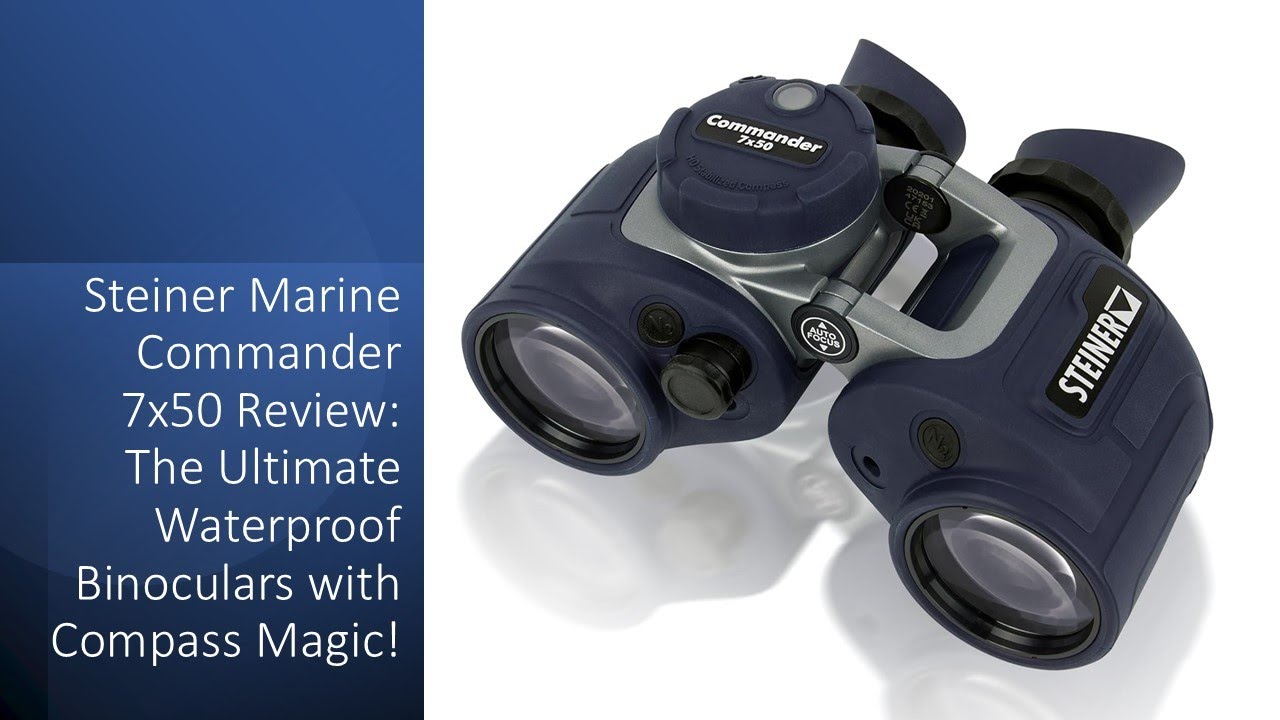
Built-in compasseshelp you know directions easily. This is useful for hiking or boating. Some binoculars also have a rangefinderto measure distances. This helps you plan your next move safely and smartly.
Tripod compatibilityis important for steady viewing. Using a tripod reduces shaking and helps when watching for long periods. Check if the binoculars can attach to your tripod.
Protective accessorieskeep binoculars safe from damage. Look for cases or lens covers. These protect from dust, water, and scratches. They also make carrying binoculars easier and safer.
Credit: bringbinoculars.com
Budgeting For Quality Waterproof Binoculars
Waterproof binoculars come in many price ranges. Lower-priced models may lack strong waterproof seals or clear lenses. Mid-range options often offer good balance between quality and cost. High-end binoculars provide excellent clarity, durability, and full waterproof protection.
Choosing binoculars depends on how often you use them and in what conditions. If using daily or in wet places, invest more for better performance. For occasional use, affordable models might be enough.
| Price Range | Features | Best For |
|---|---|---|
| $50 – $100 | Basic waterproofing, moderate optics | Casual users, light outdoor use |
| $100 – $300 | Improved waterproof seals, better lens quality | Regular users, hiking, bird watching |
| $300+ | High clarity, fog proof, strong build | Professional, intense outdoor activities |
Balance your budget with the need for clarity and durability. Sometimes spending a bit more saves money later on replacements. Good waterproof binoculars last longer and perform well in tough weather.
Maintenance Tips For Longevity
Cleaning binoculars after use keeps them working well. Use a soft cloth to wipe lenses gently. Avoid using paper or rough fabrics that can scratch surfaces. For stubborn dirt, use lens cleaner or mild soap with water.
Store binoculars in a dry, cool place to stop moisture build-up. Keep them in a case or bag to avoid dust and damage. Avoid leaving binoculars in direct sunlight or hot places for a long time.
After exposure to water, dry binoculars quickly but carefully. Use a soft towel to remove water drops. Do not shake or blow into lenses to prevent damage. Let them air dry completely before storing.
Frequently Asked Questions
What Makes Binoculars Truly Waterproof?
Waterproof binoculars have sealed O-rings and nitrogen or argon purging. This prevents water and fog from entering the lenses. It ensures clear viewing in wet conditions and protects internal components from damage.
How To Check Waterproof Rating Of Binoculars?
Check the IPX rating or manufacturer’s specification. Ratings like IPX7 or IPX8 indicate high water resistance. Look for terms like “waterproof” or “fog proof” for reliable protection.
Why Is Fog Proofing Important For Binoculars?
Fog proofing prevents internal lens fogging caused by temperature changes. It ensures clear visibility in humid or cold environments. This feature improves performance and durability.
What Size Binoculars Are Best For Waterproof Use?
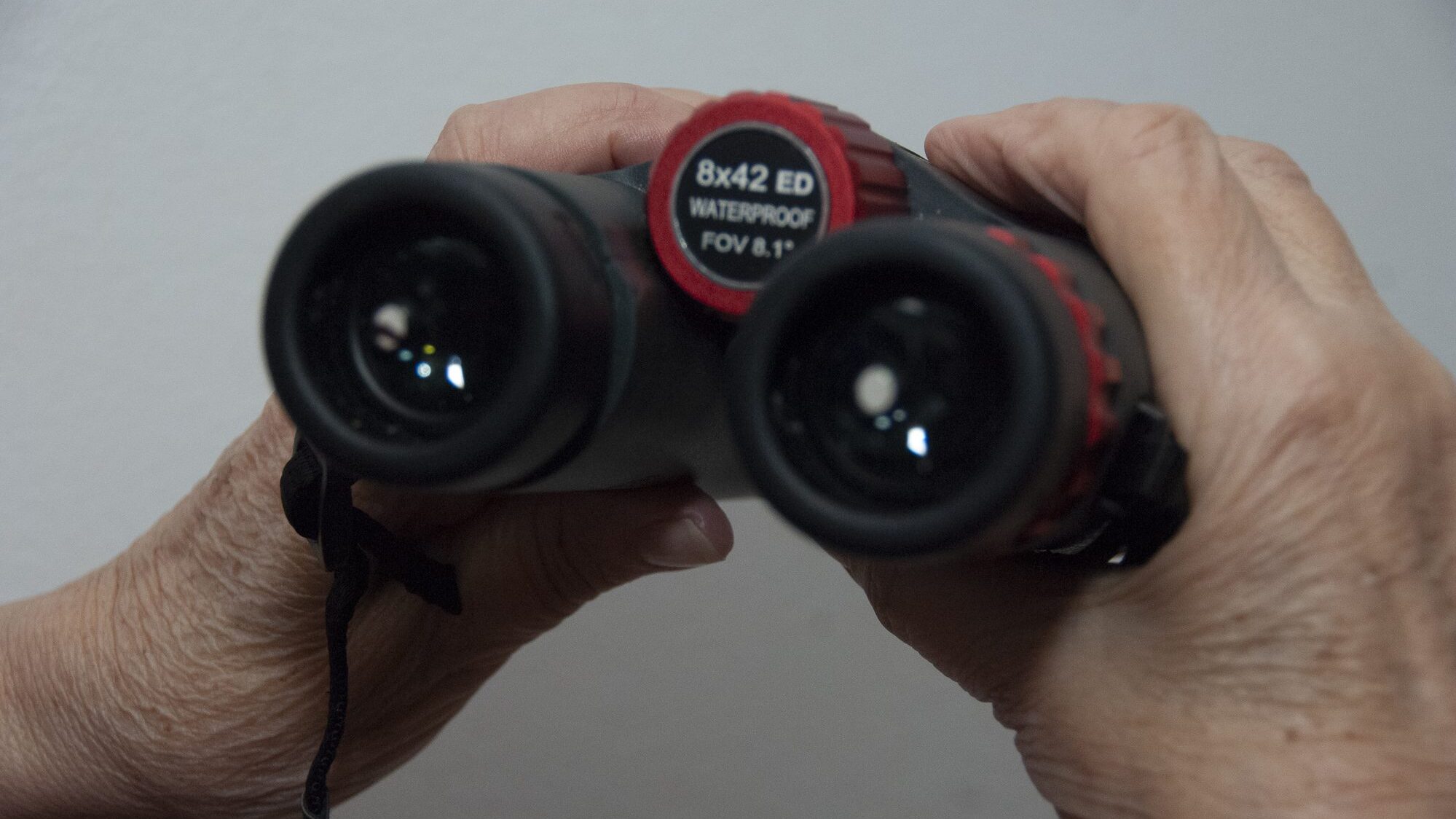
Compact to mid-size binoculars (8×42 or 10×42) balance portability and light gathering. They are easier to carry in wet conditions and offer good waterproof performance.
Conclusion
Choosing waterproof binoculars means thinking about your needs and budget. Check the waterproof rating to ensure they suit wet conditions. Look for strong build quality and clear lenses for good views. Comfort matters too, so try different sizes and weights.
Don’t forget about extra features like fog resistance or rubber grips. The right binoculars make outdoor adventures more fun and safe. Take your time to pick the best pair for your activities. Enjoy every moment, rain or shine.