If you love using spotting scopes, you know how frustrating foggy lenses can be. When moisture builds up, your view becomes blurry just when you need it most.
But what if you could keep your lens crystal clear no matter the weather? That’s where anti-fog coatings come in. You’ll discover simple, effective ways to use these coatings on your spotting scope. By the end, you’ll be ready to enjoy sharp, clear views every time you step outside.
Keep reading to unlock the secret to fog-free spotting.

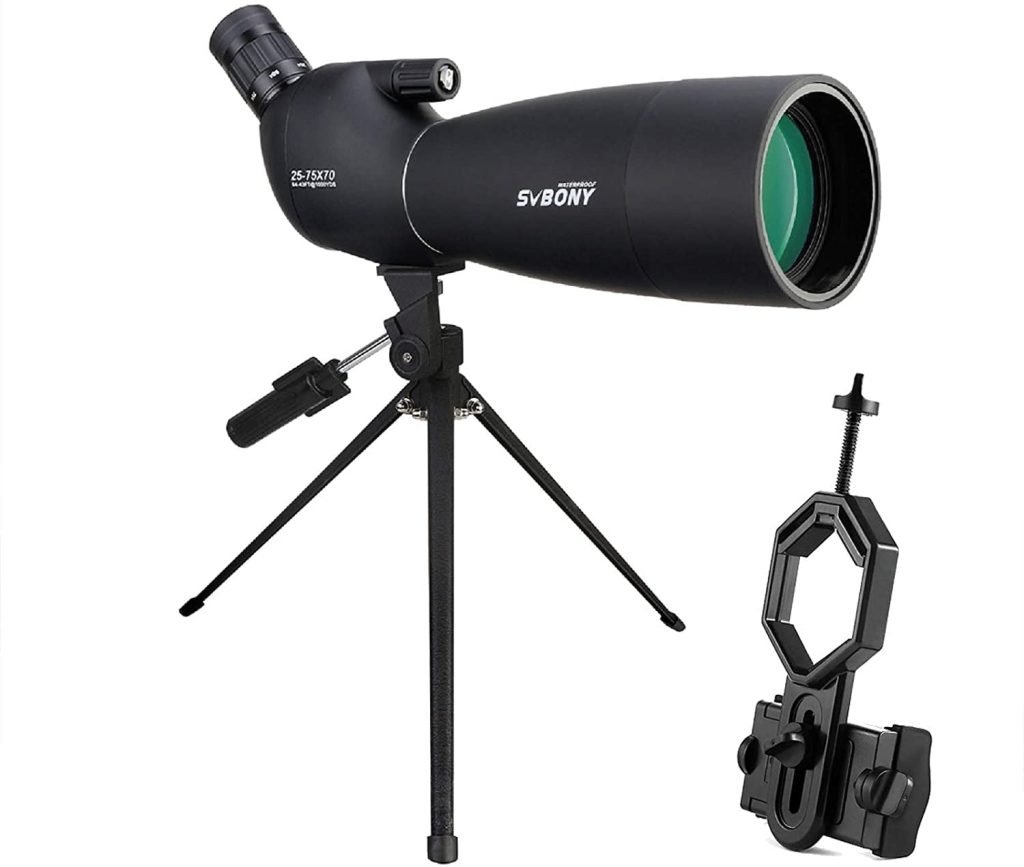
Credit: www.svbony.com
Benefits Of Anti-fog Coatings
Anti-fog coatingskeep spotting scopes clear by preventing moisture build-up. This means enhanced visibilityin wet or cold conditions. You can see details without interruptions caused by fog or mist.
These coatings add to the durability and longevityof the scopes. They protect lenses from scratches and damage. This helps the scope last longer and perform well over time.
Anti-fog coatings also provide weather resistance. Scopes work better in rain, snow, or humid weather. This makes them reliable for outdoor use in many environments.
Types Of Anti-fog Coatings
Hydrophilic coatingsabsorb moisture and spread it evenly. This stops water droplets from forming on lenses. These coatings help keep the view clear in humid conditions. They work by pulling water into a thin layer, so fog does not block sight.
Hydrophobic coatingsrepel water. Drops slide off easily, preventing fog and water build-up. These coatings are good for rainy or wet environments. They keep lenses dry and clear for better viewing.
Nanotechnology-based coatingsuse tiny particles to prevent fog. They create a very thin, invisible layer on lenses. This layer stops fog from forming fast. Nanocoatings are durable and last longer than other types.
Choosing The Right Coating
Choosing an anti-fog coatingdepends on the materialof your spotting scope. Some coatings work best with metalor plasticsurfaces. Check if the coating is safeand won’t damage the lens or body.
Environmental factors like humidity, temperature changes, and rainaffect how well the coating works. For cold and wet places, choose coatings with strong water resistance. In dry areas, simpler coatings may be enough.
| Budget | Performance | Best Use |
|---|---|---|
| Low | Basic fog prevention | Occasional use, dry climates |
| Medium | Good fog resistance and durability | Regular use in mixed climates |
| High | Strong, long-lasting protection | Heavy use in wet or cold areas |
Application Process
Clean the spotting scope lens with a soft cloth. Remove any dust or dirt gently to avoid scratches. Make sure the lens is completely dry before applying the coating. Avoid touching the lens with your fingers to keep it free from oils.
Apply the anti-fog coating in a thin, even layer. Use a small amount on a clean microfiber cloth or applicator. Spread the coating smoothly across the lens surface. Avoid using too much liquid to prevent streaks or bubbles.
Let the coating dry naturally in a dust-free place. Avoid touching the lens while it dries. Drying time can vary but usually takes about 10 to 15 minutes. Some coatings may require curing under specific conditions, so follow the product instructions carefully.
Maintenance And Care
Keep spotting scopes clean to maintain anti-fog coatings. Use a soft, lint-free cloth for wiping lenses gently. Avoid rough materials that can scratchthe surface.
For tougher dirt, use lens cleaning solutionmade for optics. Spray the solution on the cloth, not directly on the lens. Wipe softly in a circular motion to avoid damage.
- Do not touchlenses with fingers to prevent oil smudges.
- Store scopesin a dry, dust-free case.
- Avoid harsh chemicalsthat can wear off the coating.
| Action | Guideline |
|---|---|
| Scratch Prevention | Use soft cloths and keep scopes in padded cases |
| Cleaning | Use lens cleaner and gentle wiping |
| Reapplication | Apply coating again every 6-12 months or if fogging returns |

Credit: www.amazon.com
Troubleshooting Common Issues
Fogging despite coatingcan happen if the scope is exposed to extreme temperature changes. Let the scope adjust to the environment before use. Dirt or oil on the lens reduces coating effectiveness. Clean lenses gently with a soft cloth. Avoid touching the lens with fingers.
Streaks and smudgesoccur from improper cleaning. Use a microfiber cloth for best results. Avoid paper towels or rough fabrics. Apply cleaning solution sparingly to prevent streaking. Wipe in a circular motion to remove marks evenly.
Peeling or wearusually means the coating is old or damaged. Protect the lens from scratches by storing the scope in a padded case. Avoid harsh chemicals and abrasive materials. Reapply anti-fog treatments if peeling starts but note that some coatings are not repairable.
Comparing Anti-fog Solutions
DIY anti-fog coatingsare cheap and easy to apply. They use household items like soap, shaving cream, or vinegar. These solutions work well for short periods but may wear off quickly and need frequent reapplication.
Professional coatingscost more but last longer. They use special chemicals made for spotting scopes. These coatings resist water and fog in many weather conditions, giving clear views for a long time.
| Aspect | DIY Coatings | Professional Coatings |
|---|---|---|
| Cost | Low | Higher upfront |
| Longevity | Short-term | Long-term |
| Effectiveness | Good in mild conditions | Works in harsh and varied conditions |
| Application | Easy to do at home | Needs professional help or special kits |
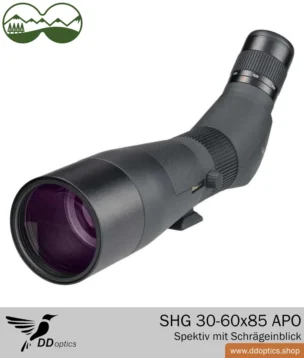
Credit: ddoptics.shop
Frequently Asked Questions
What Is An Anti-fog Coating For Spotting Scopes?
Anti-fog coating prevents moisture buildup on the lens surface. It keeps your view clear in humid or cold conditions. This coating improves visibility and protects the scope from fog-related damage.
How Do I Apply Anti-fog Coatings On Scopes?
Clean the lens gently before applying. Use a soft cloth to spread a thin, even layer of coating. Let it dry completely to ensure effective fog prevention.
How Long Does Anti-fog Coating Last On Spotting Scopes?
Typically, anti-fog coatings last several months to a year. Usage frequency and environmental conditions impact durability. Reapply when fogging or reduced clarity occurs.
Can Anti-fog Coatings Damage Spotting Scopes?
No, quality anti-fog coatings are safe for lenses. Always follow the manufacturer’s instructions for application. Improper cleaning methods may harm the lens, not the coating.
Conclusion
Using anti-fog coatings helps keep your spotting scope clear. It stops moisture from blocking your view. Applying the coating is simple and quick. Regular use keeps the lens fog-free longer. This means better visibility in all weather. Your outdoor experience will improve greatly.
Don’t forget to follow the instructions carefully. Clear views make spotting more enjoyable. Try the coating on your next trip. You will notice the difference immediately.