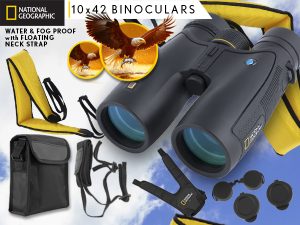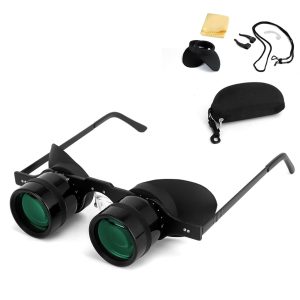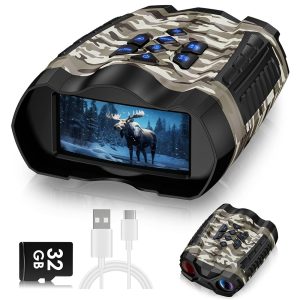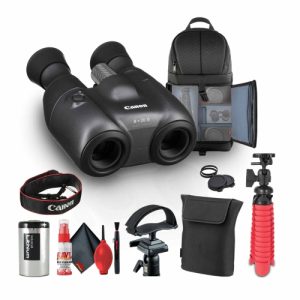
You’ve invested in a good pair of waterproof binoculars, and now you want to keep them in perfect shape. But how you store them can make all the difference between clear, sharp views and frustrating foggy lenses or damage.
If you’re wondering how to protect your binoculars and make them last longer, you’re in the right place. This guide will show you simple, effective ways to store your waterproof binoculars so they stay ready for your next adventure. Keep reading to discover easy tips that will save you time, money, and hassle.

Credit: www.nocsprovisions.com
Choosing The Right Storage Spot
Waterproof binocularsneed a safe storage place. A dry and cool spot is best. Avoid areas with high humidityor moisture.
Avoiding Moisture And Humidity
Humidity can harm binoculars. Keep them away from bathrooms and kitchens. Consider using a dehumidifier to control moisture.
Keeping Away From Direct Sunlight
Sunlight can damage lenses. Store binoculars in a shaded area. A cabinet or drawer works well.
Selecting A Stable Temperature Environment
Temperature changes can affect binoculars. Choose a room with a stable temperature. Avoid storing them in attics or basements.

Credit: www.amazon.com
Cleaning Before Storage
Remove dirt and debriscarefully before storing waterproof binoculars. Use a soft brush or cloth to get rid of dust and mud. Avoid using rough materials that may scratch the lenses. Dirt left on the binoculars can damage the lenses over time.
Dry the binoculars properlyafter cleaning. Water or moisture left inside can cause mold or damage the device. Use a clean, dry cloth to wipe all parts gently. Let them air dry in a warm, dry place for some time. Never store binoculars while they are wet.
Use appropriate cleaning toolsto keep binoculars safe. Use lens cleaning cloths made for optics. Avoid using paper towels or tissue, which can scratch lenses. For stubborn dirt, use lens cleaning solution made for binoculars. These tools help keep your binoculars clear and ready for use.
Using Protective Cases
Protective cases keep waterproof binocularssafe from dust, scratches, and impacts. Hard cases offer strong protectionagainst drops and pressure. They are durableand can handle rough use. Soft cases are lightweightand easy to carry. They protect against scratches and light bumps, but less from heavy impacts.
| Case Type | Protection Level | Weight | Best For |
|---|---|---|---|
| Hard Case | High | Heavy | Rough conditions, travel |
| Soft Case | Moderate | Light | Everyday use, easy carry |
Custom-fit cases match the shape of binoculars. They offer extra securityand prevent movement inside the case. These cases often have soft paddingto guard lenses and body. Ideal for those wanting maximum protectionwithout extra bulk.

Credit: www.nocsprovisions.com
Maintaining Lens Care
Always keep the lens covers and capson when binoculars are not in use. This protects the lenses from dust, dirt, and moisture. Store the covers in a safe place to avoid losing them. Use soft cloth lens caps to prevent scratches.
Use only lens cleaning solutionsmade for optics. Apply a small amount on a clean, soft cloth. Gently wipe the lenses in a circular motion. Avoid spraying liquid directly on the lenses. This prevents damage to the waterproof seals.
- Never touch lenses with dirty or rough hands.
- Store binoculars in a padded case to avoid impacts.
- Keep them in a dry place, away from extreme heat.
- Avoid placing binoculars lens-down on hard surfaces.
- Check for scratches regularly and clean gently.
Regular Inspection And Maintenance
Check the seals and O-ringsregularly to keep water out. Look for any cracks or signs of wear. Replace damaged parts quickly to avoid leaks. Use a soft cloth to clean these areas gently.
Keep the moving parts lubricatedso they work smoothly. Use a small amount of proper lubricant made for binoculars. Avoid using too much; it can attract dust and dirt.
Schedule professional servicingonce a year. Experts can clean and inspect your binoculars deeply. This helps to maintain their waterproof quality and overall performance.
Travel And Outdoor Storage Tips
Use dry bagsto keep binoculars safe from water and dust. These bags seal tightly and block moisture. Placing desiccant packetsinside helps absorb any wetness. This keeps lenses clear and prevents fogging.
During travel, secure binoculars with a padded case or strap. This avoids damage from bumps or drops. Keep them close, like in a backpack pocket. Avoid tossing them loosely in bags.
| Weather Condition | Storage Tip |
|---|---|
| Rainy or Wet | Use waterproof cases and dry bags |
| Hot and Humid | Store with desiccants to prevent mold |
| Cold | Avoid sudden temperature changes to stop fog |
Frequently Asked Questions
How Should I Clean Waterproof Binoculars Before Storage?
Clean your waterproof binoculars with a soft, damp cloth. Avoid harsh chemicals. Ensure lenses are dry and free of debris before storing.
Can I Store Waterproof Binoculars In A Humid Environment?
No, avoid storing waterproof binoculars in humid places. Moisture can cause internal fogging and damage seals, reducing lifespan and performance.
What’s The Best Storage Case For Waterproof Binoculars?
Use a padded, waterproof case to store your binoculars. It protects against impacts, dust, and moisture, preserving their condition and functionality.
Should I Remove Batteries Before Storing Waterproof Binoculars?
Yes, remove batteries if your binoculars use them. This prevents corrosion and leakage, ensuring your binoculars remain safe and ready for use.
Conclusion
Storing waterproof binoculars properly keeps them safe and ready to use. Always clean them before storage to remove dirt and moisture. Use a soft cloth and keep lenses dry. Store binoculars in a cool, dry place away from direct sunlight.
Avoid leaving them in hot or damp areas. Use a protective case to prevent scratches and damage. Regular care extends the life of your binoculars. Follow these simple steps to enjoy clear views every time you use them. Proper storage means your binoculars stay reliable for many adventures ahead.