Are you looking for compact binoculars that can keep up with your adventures, no matter the weather? Choosing the right pair means more than just size and magnification.
You want binoculars that are lightweight, easy to carry, and, most importantly, waterproof. Imagine spotting wildlife or enjoying a scenic view without worrying about sudden rain or accidental splashes ruining your gear. In this guide, you’ll discover simple tips to pick compact binoculars with reliable waterproof features, so you can focus on what matters—enjoying every moment outdoors.
Keep reading to find out how to make the best choice for your needs.

Credit: www.amazon.ca
Key Features Of Compact Binoculars
Compact binoculars often include waterproof seals to keep moisture out during rain or fog. Durable materials and fog-proof lenses ensure clear views in wet conditions. Choose models with strong waterproof ratings for reliable outdoor use.
Size And Weight Considerations
Compact binoculars should be easy to carry. A lightweight design is ideal for travel. Smaller size fits in bags or pockets. Easy to hold for long periods is crucial. Balance between size and function is essential.
Optical Quality Essentials
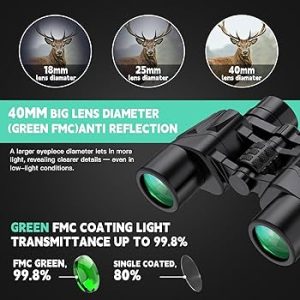
High-quality lenses deliver clear views. Adjustable focus helps see far and near objects. Coated lenses enhance clarity and brightness. Look for anti-reflective coatings to improve light transmission. Good optics make viewing more enjoyable.
Durability And Build Materials
Strong materials ensure binoculars last long. Waterproof features protect in wet conditions. Rubber armor can prevent damage from drops. Scratch-resistant surfaces keep lenses clear. Durable design saves money in repairs.
Benefits Of Waterproof Binoculars
Waterproof binoculars protect against rain, fog, and moisture for clear views in wet conditions. Compact models with these features offer durability and ease of use outdoors. Choosing waterproof binoculars ensures reliable performance during adventures.
Protection Against Weather Elements
Waterproof binocularskeep water, dust, and dirt out. They work well in rain, fog, or snow. This protection helps you see clearly in wet conditions. No need to worry about damage from splashes or drops.
Longevity And Maintenance
These binoculars last longer because they are sealed tight. They do not rust or get mold inside. Cleaning is easy since dirt does not stick. You save money by avoiding repairs or replacements.
Ideal Activities And Environments
- Bird watching in wet forests
- Hiking near rivers or lakes
- Boating and fishing trips
- Outdoor sports in rainy weather
- Camping in damp areas
Essential Waterproof Specifications
IP Ratingstell how well binoculars resist water and dust. The higher the number, the better the protection. For example, IPX7means the binoculars can handle immersion in water up to 1 meter deep for 30 minutes. IPX8means they can go deeper or stay longer underwater.
Fog-proof designkeeps lenses clear in cold or wet weather. This is done by filling binoculars with nitrogen or argon gas. Sealed parts stop moisture and dust from entering. This protects the inside and keeps the view sharp.
| Feature | Water Resistance | Waterproof |
|---|---|---|
| Protection Level | Can handle splashes and light rain | Can be submerged in water without damage |
| Use Cases | Light outdoor use, hiking, birdwatching | Boating, fishing, heavy rain, or snow |
| Durability | Basic sealing to avoid light moisture | Strong seals and gas filling to prevent fog |
Choosing The Right Magnification And Lens Size
Magnificationaffects how close objects appear. Higher magnification means objects look bigger but can be shaky without a tripod. Lower magnification gives a steadier view and is easier to hold.
Lens diameteris about how much light enters the binoculars. Bigger lenses gather more light, making images clearer in dim places. Smaller lenses are lighter and easier to carry.
The field of viewis how wide an area you can see through the binoculars. A wider view helps spot moving animals or objects quickly. Narrow views focus on smaller areas but show more detail.
| Feature | Effect | Consideration |
|---|---|---|
| Magnification | Makes objects appear closer | Higher can cause shakiness |
| Lens Diameter | Controls light gathering | Bigger lenses better in low light |
| Field of View | Width of visible area | Wider views good for spotting |
Ergonomic Features For Comfort
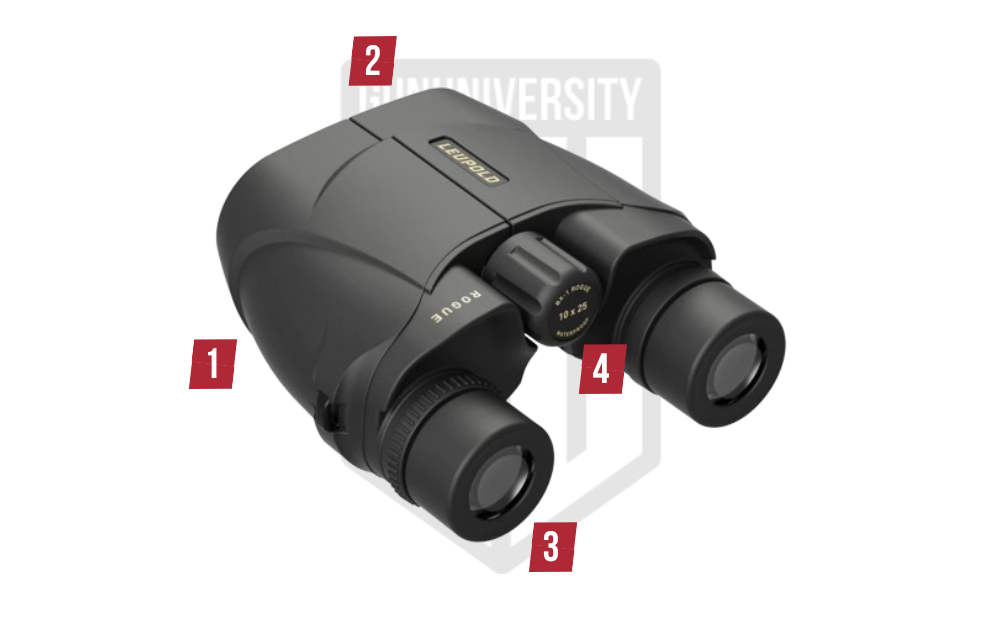
Choosing binoculars with a good griphelps prevent slips. Look for models with rubber coatingsor textured surfaces. These features make holding easier, especially in wet conditions.
Eye reliefis key for comfort. It means the distance your eyes can be from the lenses while still seeing the full view. Longer eye relief suits people who wear glasses.
Adjustable parts like focus wheelsand eyecupsimprove fit. Eyecups can twist or fold to match your eye distance. This reduces eye strain during use.
Credit: gununiversity.com
Top Brands And Models To Consider
Trusted brands like Nikon, Bushnell, and Vortex offer reliable compact binoculars with waterproof features. Popular models balance durability and clear vision for outdoor use. Choosing well-known options ensures quality and better protection against water damage.
Reputable Waterproof Compact Binoculars
- Nikon Prostaff 3S:Durable, clear view, fully waterproof.
- Bushnell H2O:Designed for wet environments, compact size.
- Vortex Diamondback:Waterproof, fog proof, high-quality optics.
- Olympus Trooper:Lightweight, water-resistant, good for beginners.
Price Vs. Performance
Affordable binoculars may lack some features but work well.
Mid-range models offer better lenses and waterproof seals.
High-end binoculars give sharper images and stronger build.
Choose based on budget and how often you will use them.
User Reviews And Ratings
| Model | Average Rating | Comments |
|---|---|---|
| Nikon Prostaff 3S | 4.5/5 | Clear images, very durable, great for rain. |
| Bushnell H2O | 4.2/5 | Easy to carry, good for water sports. |
| Vortex Diamondback | 4.7/5 | Excellent clarity and waterproof features. |
| Olympus Trooper | 4.0/5 | Lightweight, good for kids and beginners. |
Maintenance Tips For Waterproof Binoculars
Keep binocular lenses clean using a soft, damp cloth. Avoid harsh chemicals or rough materials. Store binoculars in a dry, cool place inside a protective case. This prevents dust and moisture buildup.
Never drop or hit binoculars. Avoid pressing too hard on the lenses. Keep binoculars away from sand and dirt to prevent scratches.
| Check | How Often | Reason |
|---|---|---|
| Seals and Waterproofing | Every 6 months | Ensure no water leaks inside |
| Lens Alignment | Annually | Maintain clear, sharp images |
| Focus Mechanism | Regularly | Keep smooth and responsive |
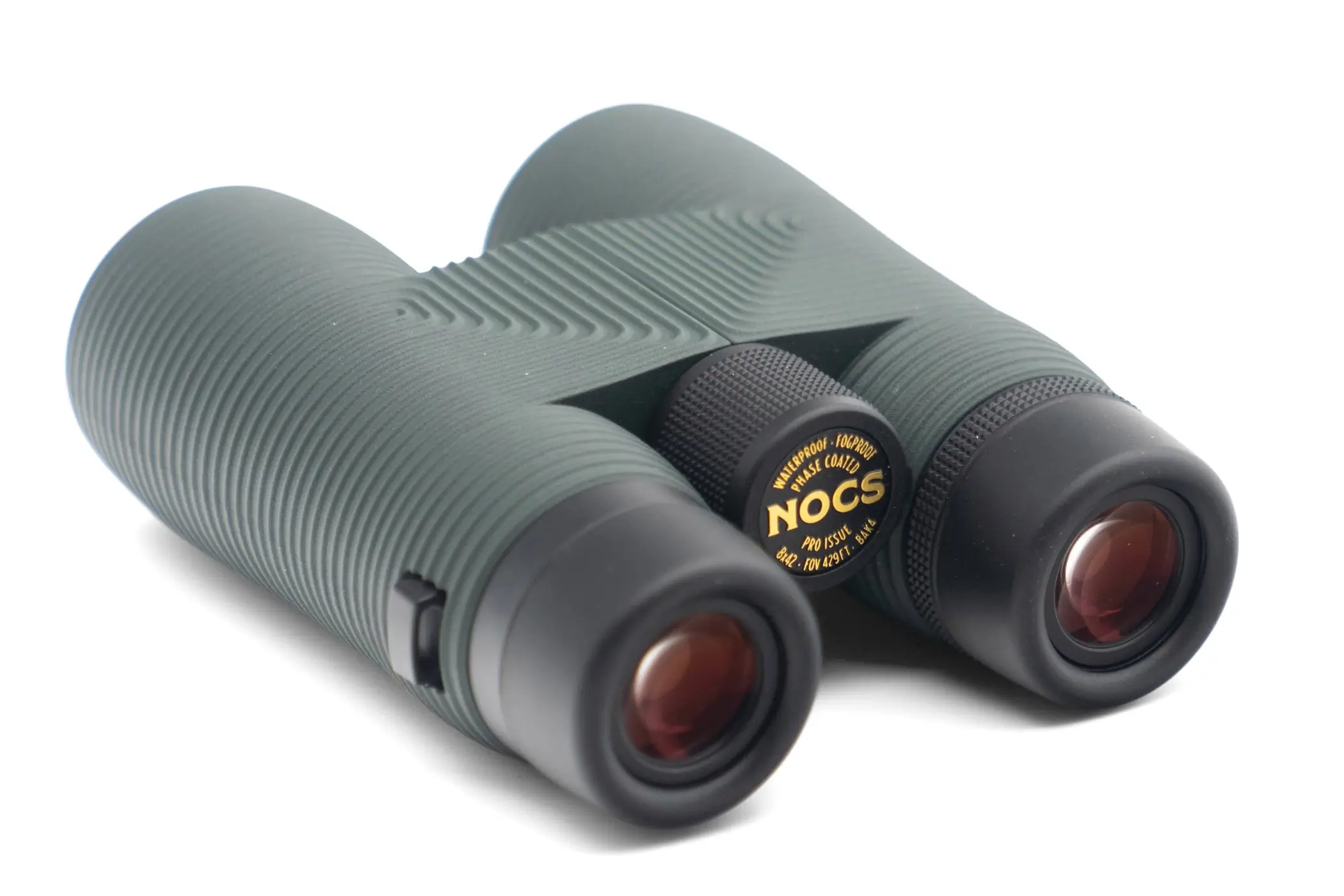
Credit: gearjunkie.com
Frequently Asked Questions
What Makes Binoculars Waterproof And Why Is It Important?
Waterproof binoculars have sealed O-rings and nitrogen purging to prevent water and fog inside. This ensures clear vision in wet or humid conditions, protecting the optics and extending the binoculars’ lifespan.
How To Check If Compact Binoculars Are Truly Waterproof?
Look for an IPX rating or an IP67/IP68 certification. Also, check product descriptions for terms like “waterproof,” “water-resistant,” or “fog-proof. ” Trusted brands usually provide these details clearly.
Are Waterproof Binoculars Heavier Than Regular Ones?
Waterproof binoculars might be slightly heavier due to extra sealing materials. However, modern compact models balance durability and weight, maintaining portability without sacrificing water protection.
Can Waterproof Binoculars Withstand Submersion Underwater?
Most waterproof binoculars resist splashes and rain but may only handle brief submersion, depending on their rating. Always check the depth and duration limits before underwater use.
Conclusion
Choosing compact binoculars with waterproof features keeps your views clear and safe. Small size helps you carry them anywhere with ease. Waterproofing protects lenses from rain, fog, and splashes. Look for sturdy build and good grip for better handling. Clear images matter most, so check lens quality carefully.
Think about your main use—hiking, birdwatching, or travel. A smart choice means more enjoyment outdoors. Keep these tips in mind to find binoculars that fit your needs well. Ready for your next adventure?