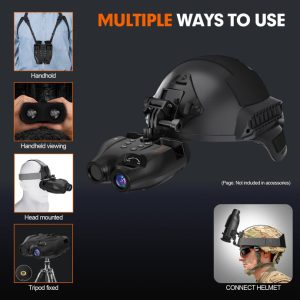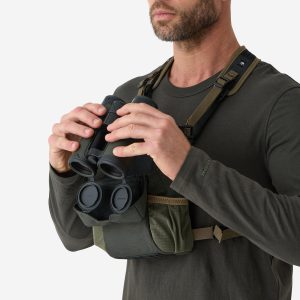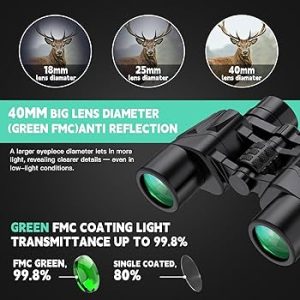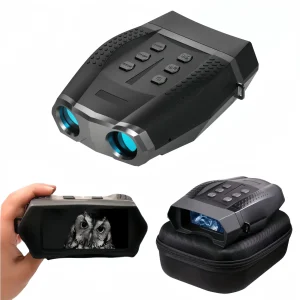
Imagine exploring the outdoors at night with crystal-clear vision, spotting wildlife, and navigating tricky trails without fear. That’s exactly what night vision binoculars can do for you.
If you’ve ever wondered how to make the most of these powerful tools on your night hikes, you’re in the right place. You’ll discover simple tips and tricks to use night vision binoculars effectively, so your night adventures become safer and more exciting.
Ready to unlock a whole new world after dark? Let’s dive in!
Credit: www.usnighthawk.com
Choosing The Right Night Vision Binoculars
Choosing night vision binoculars with clear images and good range helps spot trails and wildlife in the dark. Lightweight and comfortable models make night hiking safer and more enjoyable. Understanding device settings improves vision in low light without disturbing nature.
Types Of Night Vision Technology
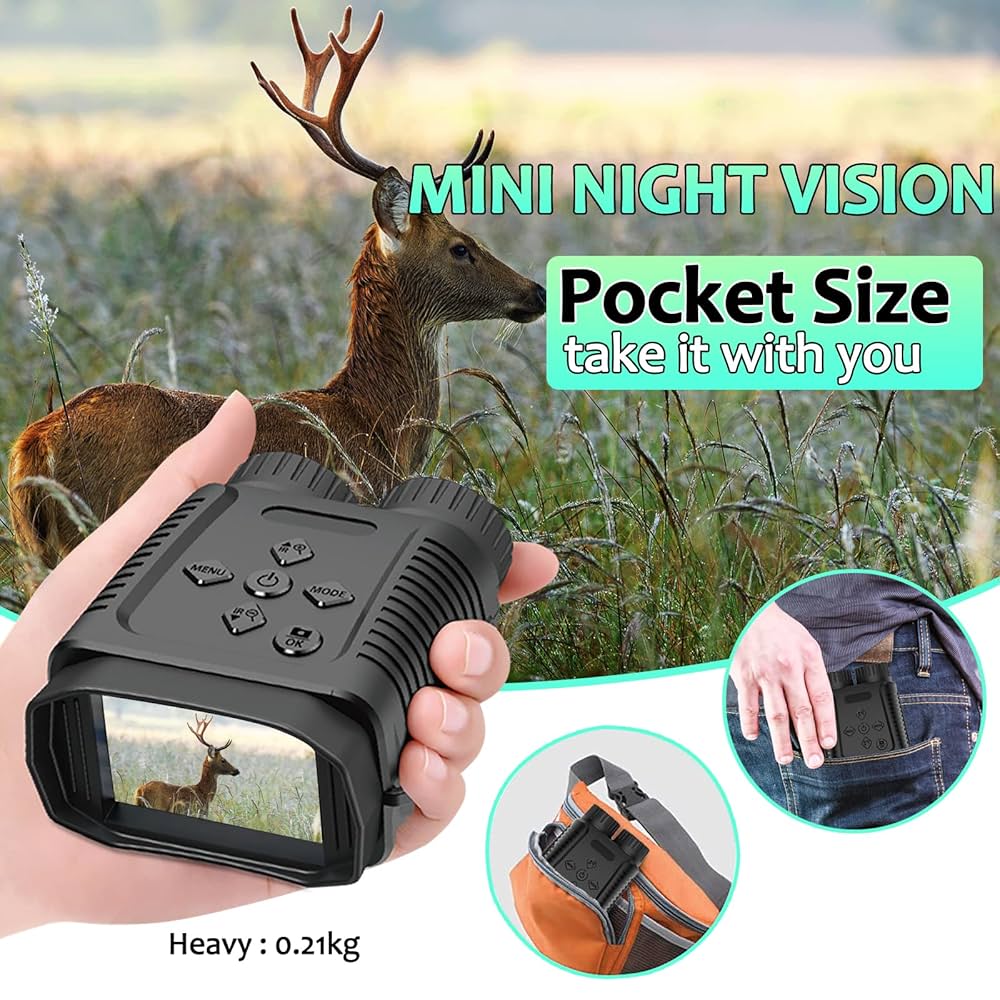
Night vision binoculars come with different technologies. There are image intensifier tubes and infrared illumination. The tubes amplify the light around you. Infrared uses invisible light beams to help see in the dark. Digital night vision is another type. It uses a camera sensor to capture images. Each type has its own benefits. Choose the one that fits your needs.
Key Features To Consider
Think about magnification and field of view. Higher magnification gives detailed views but narrows the field. Battery life is important for long hikes. Durability matters too. Binoculars should withstand drops and bumps. Weight is crucial; lightweight binoculars are easier to carry.
Budget Vs. Performance
Balance your budget with performance needs. High-end binoculars offer great features. But they can be expensive. Mid-range models often give good quality at lower prices. Check reviews before buying. Make sure you’re getting value for money. Choose wisely to meet your hiking needs.

Credit: www.amazon.com
Preparing For Night Hiking
Carrying night vision binocularsis essential for clear views in darkness. Always pack a headlampwith red light to save battery life and avoid startling animals. Wear warm clothesand sturdy shoes for safety and comfort. A first aid kitis a must for emergencies. Carry extra batteriesfor all devices. A map and compasshelp you stay on track.
Stay aware of your surroundings. Keep noise low to avoid attracting animals. Do not wander off the planned path. Share your hiking plan with someone before you leave. Check the weather forecast to avoid bad conditions. Always carry a whistle to signal for help if needed.
Choose a route you know well or one marked for night use. Avoid steep, slippery, or dangerous trails. Plan short breaks to rest and check your equipment. Stick to wide paths with clear views. Keep your phone charged for GPS and emergencies.
Setting Up Your Binoculars
Adjust the focus by turning the focus wheel slowly until the image is clear. Use the magnification setting to zoom in or out, but keep it steady to avoid shaky views. Proper focus helps you see details in the dark.
Keep extra batteries with you. Check battery levels before your hike. Replace batteries if the image gets dim or the device turns off suddenly. Good battery management ensures your binoculars work all night.
Infrared illuminators help you see better in total darkness. Turn them on only when needed, as they use extra power. Aim the illuminator carefully to light up the area you want to explore.

Credit: www.amazon.com
Techniques For Effective Night Vision Use
Use slow, steady movements when scanning the area. Quick motions can blur the image and make spotting animals hard. Focus on open spaces near water or trails where wildlife often appears. Keep the binoculars at a comfortable distance from your eyes to avoid strain.
Choose paths that are familiar or well-marked to avoid danger. Use the binoculars to look far ahead for obstacles like rocks, roots, or holes. Walk slowly and watch your step to prevent falls. Avoid bright lights that can harm your night vision.
Give your eyes time to adjust to the dark before starting. Avoid looking at bright screens or flashlights. Use a red light if you need light, as it affects night vision less. Blink slowly to keep your eyes moist and comfortable during use.
Common Challenges And Solutions
Fog and moisturecan blur night vision lenses. Keep binoculars in a sealed bag before use. Use anti-fog wipes or sprays to clear lenses. Wipe lenses gently to avoid scratches. Carry a small microfiber cloth for quick cleaning.
Glare and reflectionreduce visibility. Adjust the angle of the binoculars to avoid light sources. Use a rubber eye cup to block stray light. Avoid shining bright lights near the lenses.
| Battery Care Tips | Explanation |
|---|---|
| Keep batteries warm | Store batteries inside your clothing to keep heat. |
| Use fresh batteries | Old batteries lose power faster in cold weather. |
| Carry spares | Always have extra batteries for longer hikes. |
| Turn off when not in use | Save battery by switching off binoculars during breaks. |
Maintaining And Storing Your Binoculars
Use a soft, clean microfiber cloth to wipe the lenses gently. Avoid using paper towels or rough fabrics that may scratch the glass. For stubborn dirt, apply a small amount of lens cleaning solution on the cloth, not directly on the lenses. Keep lenses covered with lens caps when not in use to protect from dust and scratches.
Store binoculars in a dry, cool place away from direct sunlight. Use a padded case to prevent damage during transport. Avoid leaving them in hot cars or damp areas, which can harm the optics and electronics. Make sure the binoculars are dry before storing.
- Check the lenses regularly for dirt and smudges.
- Tighten any loose screws or parts carefully.
- Replace worn or damaged lens caps to keep lenses safe.
- Inspect the binoculars for moisture or fog inside the lenses.
- Clean the binoculars after each hike to maintain clear vision.
Frequently Asked Questions
What Are Night Vision Binoculars Used For In Hiking?
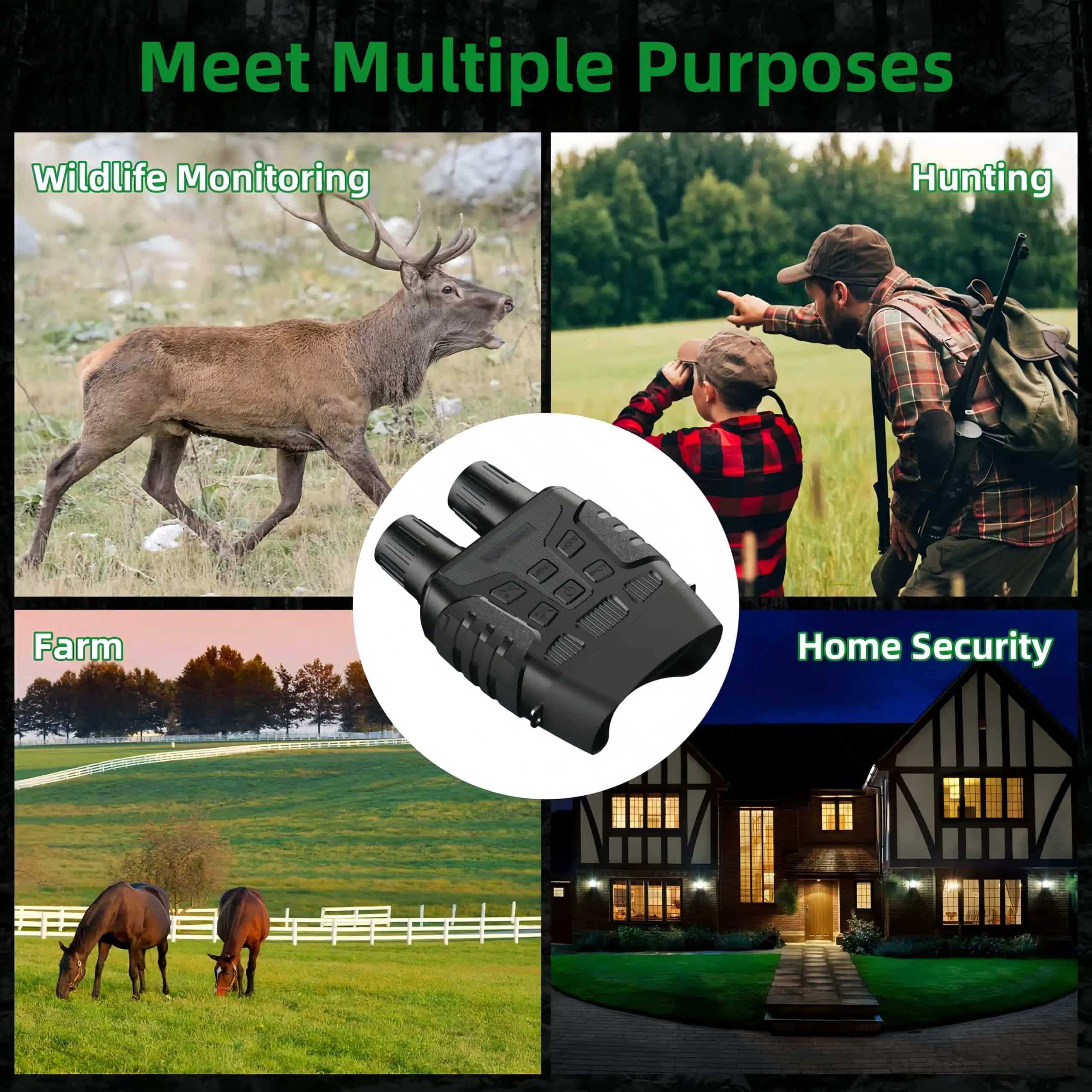
Night vision binoculars help hikers see clearly in low light or darkness. They enhance visibility, improve safety, and allow spotting wildlife or obstacles during night hiking.
How Do Night Vision Binoculars Work At Night?
They amplify available light, including infrared, to create a visible image. This technology lets users see in near-total darkness without external light sources.
Can Night Vision Binoculars Improve Hiking Safety?
Yes, they increase awareness of surroundings, reduce tripping hazards, and help detect animals or other dangers early. This makes night hiking safer and more enjoyable.
What Features Should I Look For In Night Vision Binoculars?
Look for good magnification, wide field of view, durable design, and long battery life. Lightweight models with infrared capability are ideal for night hiking.
Conclusion
Night vision binoculars make night hiking safer and more fun. They help you see in dark areas clearly. Always check your equipment before starting your hike. Practice using the binoculars during the day first. Stay aware of your surroundings and move carefully.
Enjoy the quiet beauty that night hiking offers. With the right tools and preparation, night hiking feels easier. Keep learning and exploring new trails safely at night.