Have you ever struggled to see clearly through your binoculars when the light starts to fade? It can be frustrating when shaky hands and dim surroundings blur your view.
That’s where image stabilized binoculars come in. But do they really work well in low light? If you want sharper, steadier images during dawn, dusk, or cloudy days, understanding how these binoculars perform can make all the difference. Keep reading to discover if image stabilization is the game-changer your outdoor adventures need.

Credit: www.amazon.com
How Image Stabilization Works
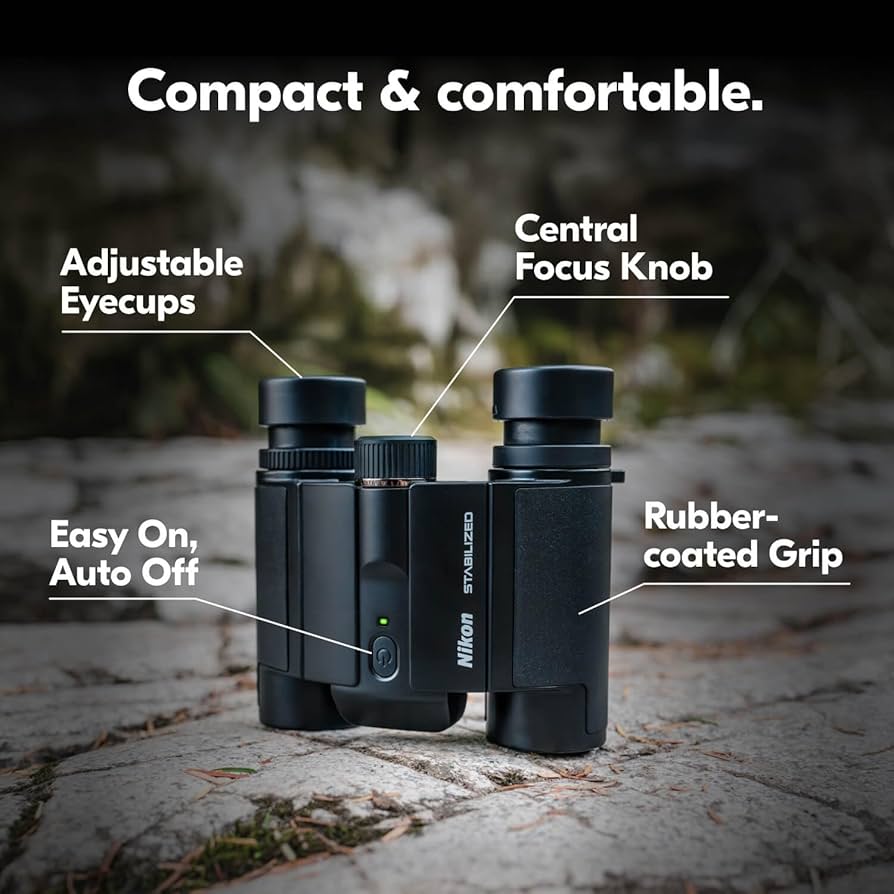
Image stabilization reduces shaking by adjusting lenses or sensors inside the binoculars. This helps create clearer, steadier views, especially in low light. Stabilized binoculars make it easier to see details without blur when light is dim.
Principles Of Stabilization
Image stabilization helps keep your view steady. It reduces shaking from your hands. This technology is very useful in binoculars. It uses sensors to detect movement. Then, it adjusts the lenses or mirrors. This keeps the image stable. Stabilization makes viewing clearer. It works even when you move.
Types Of Stabilization Technology
- Optical Stabilization:Uses lenses to balance the image.
- Digital Stabilization:Adjusts the image with software.
- Mechanical Stabilization:Uses gyroscopes to control movement.
Challenges Of Low Light Conditions
Low light conditions cause many problems for binocular users. The main challenge is reduced brightness, which makes images dim and hard to see. This affects the clarityand detail of what you observe. Shadows and dark areas can blend together, making it tough to spot objects.
Image stabilized binoculars help reduce shaking, but they cannot fix the problem of low light itself. Common issues with binoculars in these conditions include:
- Grainy or noisy imagesdue to poor light.
- Blurred detailsbecause the eyes must strain more.
- Reduced depth perception, making objects look flat.
- Difficulty focusingon small or moving targets.
- Smaller field of viewin darker settings.
Performance Of Stabilized Binoculars In Low Light
Image stabilized binocularshelp reduce hand shake. This makes it easier to see clearly in low light. They keep the view steady during night or dusk. This is useful for bird watching, hunting, or stargazing.
These binoculars let you hold your view longer without strain. The steady image helps spot details that are hard to see in dim light. They also reduce eye fatigue from trying to keep the image still.
- Steady view despite shaky hands
- Clearer images in low light
- Less eye strain during long use
- Better spotting of small or moving objects
Limitationsinclude heavier weight and higher price than normal binoculars. Batteries are needed, which can run out. Sometimes the stabilization may not work well on very dark nights. Also, they may not improve brightness or image quality directly.
Key Features To Consider
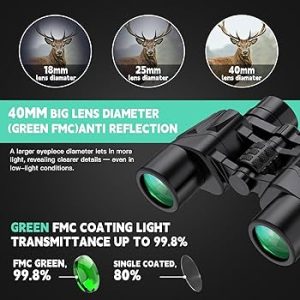
Lens qualityis crucial for clear images in low light. Good lenses let in more light and reduce glare. Special coatingson lenses improve brightness and contrast.
Magnificationshows distant objects closer, but higher magnification can make images dimmer. Aperture sizecontrols how much light enters. Bigger apertures let in more light, making images brighter.
| Feature | Impact |
|---|---|
| Magnification | Higher magnification can reduce brightness |
| Aperture Size | Larger aperture allows more light in |
Battery lifeaffects how long image stabilization works. Longer battery life means more use time. Some models use less powerto keep batteries lasting longer.
User Experiences And Expert Reviews
User feedback often shows image stabilized binoculars reduce shake and improve clarity in dim settings. Experts note these binoculars help maintain steady views, but brightness depends on lens quality. Many find them useful for low light, though results vary by model.
Field Test Results
Image stabilized binoculars provide a clearer view in low light. They reduce shaking, which helps you see details better. Many users report less eye strain during long use. Experts say stabilization helps in dim settings but does not increase brightness. The image stays steady, which makes it easier to spot animals or stars.
Comparisons With Non-stabilized Models
| Feature | Image Stabilized Binoculars | Non-Stabilized Binoculars |
|---|---|---|
| Image Stability | Very steady, less shaking | Shakes more, especially at high magnification |
| Low Light Performance | Steady view but no extra brightness | View can be blurry due to shaking |
| Eye Comfort | Less eye fatigueover time | More eye strain from constant motion |
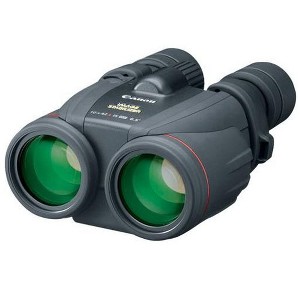
| Weight | Usually heavier due to extra tech | Lighter, simpler design |
Credit: www.target.com
Tips For Optimizing Low Light Viewing
Hold binoculars steady to get the clearest view. Using both hands helps reduce shake. Rest your elbows on a solid surface for extra support. Keep your eyes relaxed to avoid strain during long viewing sessions.
Adjust the eyepieces and focus carefully. Take your time to find the sharpest image. Avoid quick movements that blur the picture in low light.
| Equipment | Purpose |
|---|---|
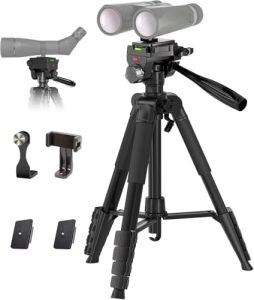
| Tripod Adapter | Helps hold binoculars steady for long viewing |
| Red Light Flashlight | Preserves night vision while adjusting settings |
| Lens Cleaning Kit | Keeps lenses clear for better light transmission |
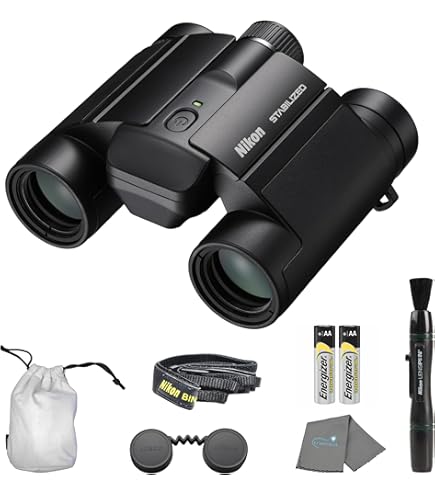
Credit: www.amazon.com
Frequently Asked Questions
Do Image Stabilized Binoculars Improve Low Light Clarity?
Yes, image stabilized binoculars reduce hand shake, enhancing image clarity in low light. They help maintain steady views, making details sharper even in dim conditions.
Can Image Stabilization Increase Brightness In Binoculars?
No, image stabilization does not increase brightness. It stabilizes the view but doesn’t affect light transmission or brightness levels.
Are Image Stabilized Binoculars Better For Night Viewing?
They help by keeping images steady at night. However, brightness and lens quality mainly determine night viewing performance.
How Do Image Stabilized Binoculars Affect Battery Life?
Image stabilization requires power, so it consumes battery life. Usage duration depends on the model and battery capacity.
Conclusion
Image stabilized binoculars help reduce shaking and blur. They improve viewing in low light by keeping images steady. This makes it easier to see details clearly. While they may cost more, the benefits often justify the price. Remember, good optics and proper use also matter a lot.
Choosing the right binoculars depends on your needs and budget. Overall, image stabilization can enhance your low-light experience. Worth considering for nature watchers and night observers alike.