Are you ready to discover the joys of birdwatching but unsure how to start? Compact binoculars are your perfect companion to get closer to nature without any hassle.
They fit easily in your hands and pockets, making every bird sighting clearer and more exciting. You’ll learn simple, effective tips to use compact binoculars like a pro—even if you’re a complete beginner. By the end, you’ll feel confident spotting colorful feathers and tiny movements that most people miss.
Keep reading and unlock the secrets to making your birdwatching moments unforgettable!

Credit: www.travelandleisure.com
Choosing Compact Binoculars
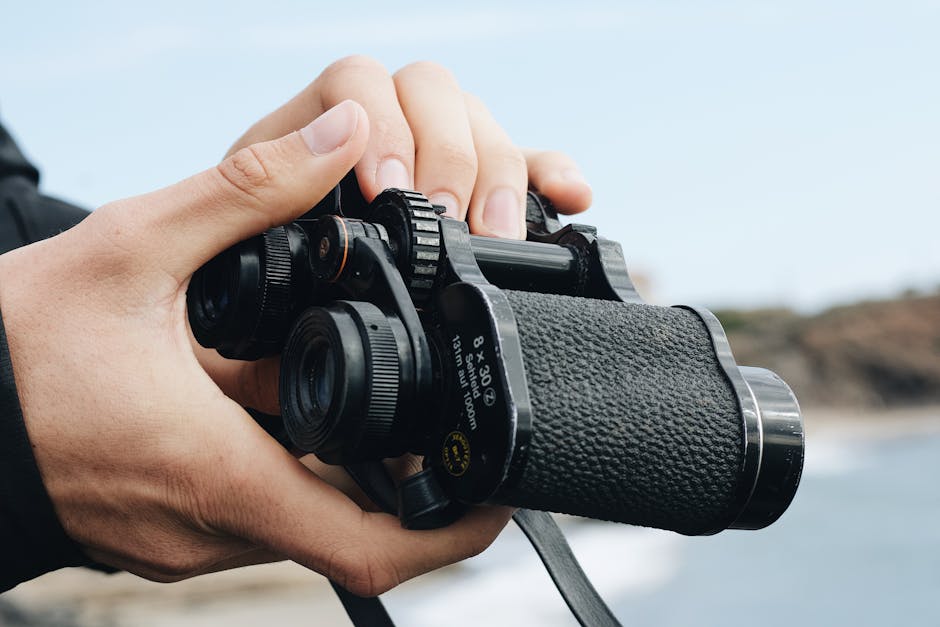
Compact binoculars are best for birdwatching beginners. They should have clear opticsand easy focus. Look for durable and water-resistant designs. Adjustable eyecupsare important for glasses wearers. You need to check the grip for comfort. The grip should be non-slip. A good pair will provide bright and sharp images.
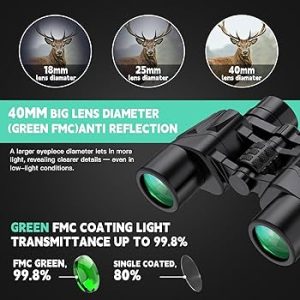
Ideal magnification is 8x to 10x. This offers a good view of birds. Lens size affects image brightness. A larger lenscaptures more light. Aim for lenses around 25mm to 30mm. Larger lenses can be heavier. Balanced magnification and lens size are best for beginners.
- Lightweight binoculars are easy to carry.
- They should fit in small bags.
- Choose binoculars under 20 ounces.
- Consider foldable designs for easy storage.
- Portability makes birdwatching more enjoyable.
Setting Up Your Binoculars
Adjusting the eyecups helps protect your eyes and gives a clear view. Twist or fold them based on your comfort. Use extended eyecups if you wear glasses. Fold them down if you don’t.
Focusing is easy. First, close your right eye and look through the left lens. Turn the center focus wheel until the image is sharp. Then, close your left eye and open your right eye.
Use the diopter adjustment on the right eyepiece to focus for your right eye. Turn it slowly until the image becomes clear. This step balances the view for both eyes.
| Action | Purpose |
|---|---|
| Adjust Eyecups | Comfort and clear vision, especially with glasses |
| Center Focus Wheel | Focus the left lens for sharp image |
| Diopter Adjustment | Balance focus for right eye |
Basic Birdwatching Techniques
Scan the area slowly with your binoculars. Move your head, not just your eyes. This helps you spot birds hiding in leaves or branches. Look for movement or colors that stand out.
Track birds by following their flight path smoothly. Keep the binoculars steady and move with the bird. Practice helps you keep the bird in view for longer.
Use natural light to see birds clearly. Early morning or late afternoon light works best. Avoid harsh midday sun that causes shadows. Face the sun to get a bright view of the bird’s colors.

Credit: www.birdwatchingdaily.com
Maintaining Your Binoculars
Clean lenses gently to keep binoculars clear. Use a soft brush or air blower first. Then, wipe with a microfiber cloth. Avoid using paper towels or clothing. These can scratch the lenses. Use lens cleaner made for optics only.
Store binoculars in a dry, cool place. Keep them in a protective case to avoid dust and damage. Avoid leaving them in direct sunlight or hot places. This can harm the lenses and body.
Moisture can fog up lenses and harm binoculars. Use silica gel packs in the case to absorb moisture. If binoculars get wet, dry them with a soft cloth. Let them air dry completely before storing.
Common Mistakes To Avoid
Overmagnifyingmakes the image blurry and hard to see. Compact binoculars often have a limited zoom range. Using too much zoom can shake the view. This makes birdwatching frustrating. Use a lower magnification for clear and steady images.
Ignoring Comfortcan spoil the experience. Binoculars should feel light and easy to hold. Straps help keep them steady and safe. Adjust the eyecups to fit your eyes. Comfortable gear lets you watch birds longer without strain.
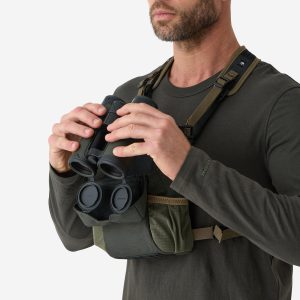
Poor Holding Posturecauses shaky views. Hold binoculars close to your face with both hands. Keep your elbows close to your body for support. Stand or sit still to reduce movement. A steady hold helps you see birds clearly and enjoy birdwatching more.
Enhancing Your Birdwatching Experience
Birdwatching is more fun at dawn or dusk. Birds are active and easy to see. Choose quiet placeslike parks, gardens, or near water. Stay still and move slowly to avoid scaring birds away.
Field guides help you know bird names and sounds. Use books or apps with clear pictures. Carry one to check birds quickly. Remember, learning a few birds at a time is best.
- Meet others who like birdwatching too.
- Share tips on places and times to watch birds.
- Learn from their stories and pictures.
- Join walks or events to practice and enjoy.

Credit: www.amazon.com
Frequently Asked Questions
What Makes Compact Binoculars Ideal For Birdwatching Beginners?
Compact binoculars are lightweight and easy to carry during walks. They offer clear, close-up views of birds without straining your hands. Their simplicity helps beginners focus on spotting birds rather than adjusting complex settings. This makes birdwatching more enjoyable and accessible for newcomers.
How Do I Choose The Best Compact Binoculars For Birdwatching?
Look for binoculars with 8x to 10x magnification and a 25-30mm objective lens. These specs balance clear views and portability. Also, choose models with good light transmission and waterproof features for outdoor use. Comfort and ease of focus are key for beginner birdwatchers.
Can Compact Binoculars Capture Detailed Bird Images?
No, compact binoculars are designed for viewing, not photography. For detailed bird photos, use a camera with a zoom lens or a smartphone adapter. Binoculars help locate and observe birds before capturing images with proper photographic equipment.
How Do I Properly Hold Compact Binoculars For Steady Viewing?
Hold binoculars firmly with both hands and keep elbows close to your body. This reduces shaking and helps maintain a steady view. You can also rest your elbows on a stable surface or use a neck strap to improve stability during birdwatching.
Conclusion
Using compact binoculars makes birdwatching simple and fun. Choose the right pair that fits your hands and eyes. Hold them steady to see birds clearly. Practice often to improve your spotting skills. Enjoy the quiet moments spent watching nature. Birdwatching helps you connect with the outdoors.
Small binoculars are easy to carry anywhere. Start with easy birds and learn their shapes. Keep patience; good things take time. Soon, you’ll feel confident and enjoy every bird sighting.