If you want to hit your target with precision, adjusting the parallax on your tactical scope is crucial. But how do you know when and how to make those adjustments?
Getting this right can mean the difference between a clear shot and a blurry miss. You’ll learn simple, step-by-step tips to adjust your scope’s parallax quickly and accurately. By the end, you’ll feel confident in fine-tuning your gear for better focus and sharper aim every time you look through your scope.
Ready to improve your shooting skills? Let’s dive in.

Credit: gogunnr.com
Understanding Parallax In Tactical Scopes
Parallaxis the apparent shift of the target image when your eye moves behind the scope. It happens because the reticle and target image are on different focal planes. This can cause the target to look like it moves inside the scope.
This effect can make shots less accurate. If your eye is not perfectly aligned, the bullet may not hit where you aim. Parallax causes errors especially at long distances. It is important to adjust the parallax to the correct distance.
Adjusting parallax helps keep the reticle and target image on the same plane. This means your point of aim and bullet impact match better. It improves your shooting precisionand confidence in your shots.
Identifying Parallax Issues
Parallax issuesin tactical scopes cause the reticle to move off target. This can happen if the scope is not set correctly for the distance. Common signs include a blurry target or the reticle shifting when the eye moves.
Here are some common signs of parallax problems:
- Target appears blurry or out of focus
- Reticle seems to move when shifting your head
- Difficulty in keeping the reticle on the exact target
These issues affect your accuracy and aiming. The reticle and target won’t align properly. Shots may land off target even if you aim correctly. Adjusting parallax helps keep the reticle steady and sharp.
Tools For Parallax Adjustment
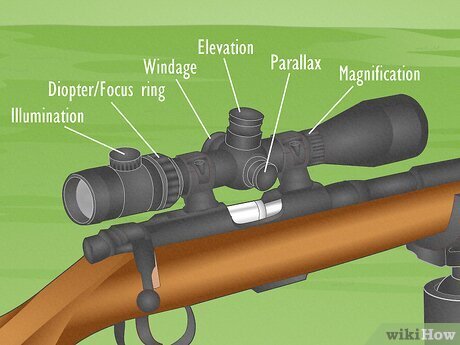
Tactical scopes come in different types. Some have fixed magnification, while others offer variable zoom. Each type may have a different way to adjust the parallax. Knowing your scope type helps to use the right tools.
Essential equipment includes:
- Parallax adjustment knobon the scope itself
- A stable mount or tripodto hold the rifle steady
- Target or objectat a known distance for calibration
- Rangefinderfor measuring distance accurately
| Type of Tactical Scope | Common Parallax Adjustment | Notes |
|---|---|---|
| Fixed Magnification | Side or front focus knob | Simple and quick to adjust |
| Variable Magnification | Adjustable parallax ring | Allows fine tuning at different zoom levels |
| First Focal Plane | Parallax moves with magnification | Needs frequent checks at different distances |
| Second Focal Plane | Parallax stays fixed | Adjustment is simpler but less flexible |

Credit: www.facebook.com
Steps To Adjust Parallax
Start by mounting the scope firmly on your rifle. Adjust the focus ring until the reticle looks sharp. Look through the scope at a target about 25 yards away. Turn the parallax adjustment knob until the target and reticle stay aligned when you move your head slightly. This step reduces image blur and improves accuracy.
For fine-tuning, select a target at the distance you plan to shoot. Slowly adjust the parallax knob until the reticle does not shift off the target. Small movements make a big difference. Keep checking from different eye positions. Stop when the reticle stays steady and clear.
Practical Tips For Precision
Adjusting the parallaxon tactical scopes ensures clear and sharp images. Start by setting the scope to match the target’s distance. This reduces image blurcaused by parallax error. Avoid moving your head too much while aiming to keep the reticle steady. Use the parallax adjustment knob slowly for precise control.
Common mistakes include ignoring parallax settings and rushing adjustments. These can cause missed shotsand less accuracy. Always take time to fine-tune your scope before shooting.
Enhance accuracy by practicing at different distances. Note how parallax affects your view and adjust accordingly. Keeping the reticle aligned with the target helps improve your shot placement every time.
Training For Mastery
Practice drills help improve your ability to adjust parallax quickly. Set up targets at different distances. Adjust the scope each time to get a clear view. This builds muscle memory and confidence.
Real-world scenarios test your skills under pressure. Try adjusting parallax while moving or in low light. This prepares you for actual shooting situations. Always check your adjustments before taking a shot. Clear vision means better accuracy.
Credit: gununiversity.com
Frequently Asked Questions
What Is Parallax Adjustment On Tactical Scopes?
Parallax adjustment removes image shift caused by eye movement. It ensures the reticle stays fixed on the target. This improves shooting accuracy at varying distances. Tactical scopes often have side or adjustable objective knobs for this purpose.
How Do I Know When To Adjust Parallax?
Adjust parallax when the reticle appears blurry or moves off target. This usually happens at different shooting distances. Proper adjustment aligns the reticle with the target plane. It helps prevent aiming errors and ensures precision.
Can I Adjust Parallax Without Tools?
Yes, most tactical scopes have built-in adjustment knobs. Side focus or adjustable objective rings allow easy parallax correction. No extra tools are needed. Simply turn the knob until the target and reticle are clear and aligned.
Why Is Parallax Adjustment Important For Tactical Shooting?
Parallax adjustment enhances shot accuracy by eliminating sighting errors. It ensures consistent aiming even with slight eye movement. This is critical in tactical situations where precision matters. Proper adjustment leads to better target acquisition and shot placement.
Conclusion
Adjusting parallax on tactical scopes improves shooting accuracy. Start by setting the scope to your target’s distance. Turn the parallax ring slowly until the reticle stays steady. This helps reduce aiming errors caused by eye movement. Practice regularly to get comfortable with adjustments.
Clear vision means better focus and precise shots. Remember, patience and practice make a big difference. Keep your scope well maintained for consistent results. Small changes can lead to better shooting performance. Stay safe and enjoy your time at the range.