When choosing surveillance binoculars, one question probably stands out: what is the best field of view for your needs? The right field of view can make all the difference between spotting important details and missing critical moments.
You want to see as much as possible, but also keep things clear and sharp. You’ll discover exactly how to find the perfect balance. By the end, you’ll know how to pick binoculars that give you the edge in any situation.
Keep reading to make sure you never miss a thing.
Field Of View Basics
Field of view is an important feature of surveillance binoculars. It shows how much area you can see through the lenses at once.
Understanding field of view helps you pick the right binoculars for your needs. It affects how easily you can spot moving objects or scan wide areas.
What Field Of View Means
Field of view describes the width of the scene visible through the binoculars. A wider field of view shows more area but may reduce detail.
- Measured in degrees or feet at 1000 yards
- Wide field helps track moving targets
- Narrow field offers more zoom and detail
- Choice depends on surveillance purpose
How Field Of View Is Measured
Manufacturers measure field of view in two ways. One shows angular degrees, the other shows width in feet at 1000 yards.
| Measurement Type | Description | Example |
| Angular Field of View | Angle visible through the binoculars | 7 degrees |
| Linear Field of View | Width of area seen at 1000 yards | 367 feet |
Importance In Surveillance
The field of view (FOV) in surveillance binoculars shows how much area you can see. It helps to spot people or objects quickly.
A good FOV lets you watch wide spaces without moving the binoculars often. This is key for safety and observation tasks.
Wide Vs Narrow Field Of View
Wide FOV shows a larger area. You see more at once but objects look smaller. Narrow FOV zooms in more but shows less area.
Wide FOV is good for scanning open spaces. Narrow FOV helps to focus on details far away.
- Wide FOV: covers more area, good for quick searches
- Narrow FOV: zooms in, better for detailed views
Impact On Target Detection
A wide FOV helps find moving targets faster. You can see changes across a large area.
A narrow FOV helps identify targets more clearly once found. It is easier to see faces or small details.
- Wide FOV: quicker to detect targets
- Narrow FOV: better for identifying targets
Factors Affecting Choice
Choosing the best field of view for surveillance binoculars depends on many factors. The right choice helps you see clearly and cover the needed area.
Understanding these factors helps pick binoculars that fit your surveillance needs well.
Distance And Area Coverage
The distance you need to see affects the field of view you want. A wide field of view helps cover larger areas close by.
For long distances, a narrower field of view lets you focus on details far away. Choose based on whether you watch wide spaces or specific spots.
- Wide field of view: best for large, close areas
- Narrow field of view: best for distant, focused viewing
- Balance needed for both distance and area size
Light Conditions
Light affects how well you see through binoculars. A wider field of view might reduce brightness in low light.
Choose binoculars that keep images clear and bright in the light you expect. This helps identify objects better.
- Bright daylight allows wider fields of view
- Low light needs binoculars with good brightness
- Consider light conditions at your surveillance site
Portability And Comfort
Portability matters if you carry binoculars for long times. A wider field of view often means bigger, heavier binoculars.
Comfort affects how long you can use binoculars without strain. Choose sizes and weights that fit your use.
- Light binoculars ease long-term use
- Compact size helps quick movement and handling
- Balance field of view with weight and comfort

Credit: www.reddit.com
Optimal Field Of View Ranges
Field of view (FOV) is key for surveillance binoculars. It shows how wide the area seen through the binoculars is. Choosing the right FOV helps spot targets quickly and clearly.
Different situations need different FOV ranges. A wide view helps scan areas fast. A narrow view helps see details far away. Understanding these ranges improves your surveillance.
Best Angles For Different Scenarios
Wide FOV suits moving targets and open spaces. Narrow FOV fits long-distance watching and detail spotting. Here are common FOV angles and their uses:
- 5° to 7°:Best for spotting distant objects clearly.
- 7° to 9°:Good for mixed use in medium-range surveillance.
- 9° to 12°:Ideal for quick scans over wide areas.
- Above 12°:Useful in close-range, fast-moving scenes.
Trade-offs Between Magnification And Field
Increasing magnification usually lowers the field of view. This means you see less area but more detail. Lower magnification offers a wider field but less detail.
| Magnification | Typical Field of View | Best Use |
| 8x | 7° to 9° | Balanced view and detail |
| 10x | 5° to 7° | Far detail observation |
| 12x | 4° to 6° | Close detail, narrow scan |
| 6x | 9° to 12° | Wide scanning |
Expert Tips For Selection
Choosing the best field of view for surveillance binoculars is key. It helps you see more area clearly.
Experts recommend focusing on your specific surveillance needs to pick the right binoculars.
Matching Binocular Specs To Surveillance Needs
Field of view (FOV) shows how wide an area you see through binoculars. A wider FOV covers more ground.
For close or moving targets, a wide FOV is best. For long distances, a narrower FOV gives better detail.
- Wide FOV: Good for scanning large areas quickly
- Narrow FOV: Ideal for focused, long-distance viewing
- Balance FOV with magnification for clear images
- Consider size and weight for easy handling
Testing And Comparing Models
Try binoculars in real conditions before buying. See how the field of view works for your tasks.
Compare models by checking clarity, brightness, and ease of use. Field of view is one part of the test.
- Look at wide and narrow FOV examples
- Test focus speed and image stability
- Check comfort for long use
- Note how well you see details at different distances
Credit: westernhunter.net
Additional Features To Consider
Choosing the best field of view for surveillance binoculars is important. You should also look at other useful features. These features can improve your viewing experience and make the binoculars easier to use.
Below are some key features to keep in mind. They help with stability, seeing in the dark, and using binoculars in tough weather.
Image Stabilization
Image stabilization helps keep the view steady. This is useful when you hold binoculars for a long time or when there is movement. It reduces shaking and blurring.
With good image stabilization, you can see details clearly. This is helpful for watching distant objects without strain.
Night Vision Capabilities
Night vision lets you see in low light or complete darkness. This is useful for night surveillance or wildlife watching at night.
Some binoculars use infrared light to show images in the dark. Others enhance natural light to improve visibility.
- Infrared night vision needs batteries
- Light-enhancing night vision works without extra light
- Check range and image quality for night vision
Durability And Weather Resistance
Durable binoculars last longer and handle rough use. Weather resistance protects binoculars from rain, dust, and fog.
Look for waterproof and fog-proof features. Rubber coatings help protect against drops and bumps.
- Waterproof binoculars work well in rain
- Fog-proof prevents lens fogging in cold weather
- Shock-resistant design avoids damage from falls
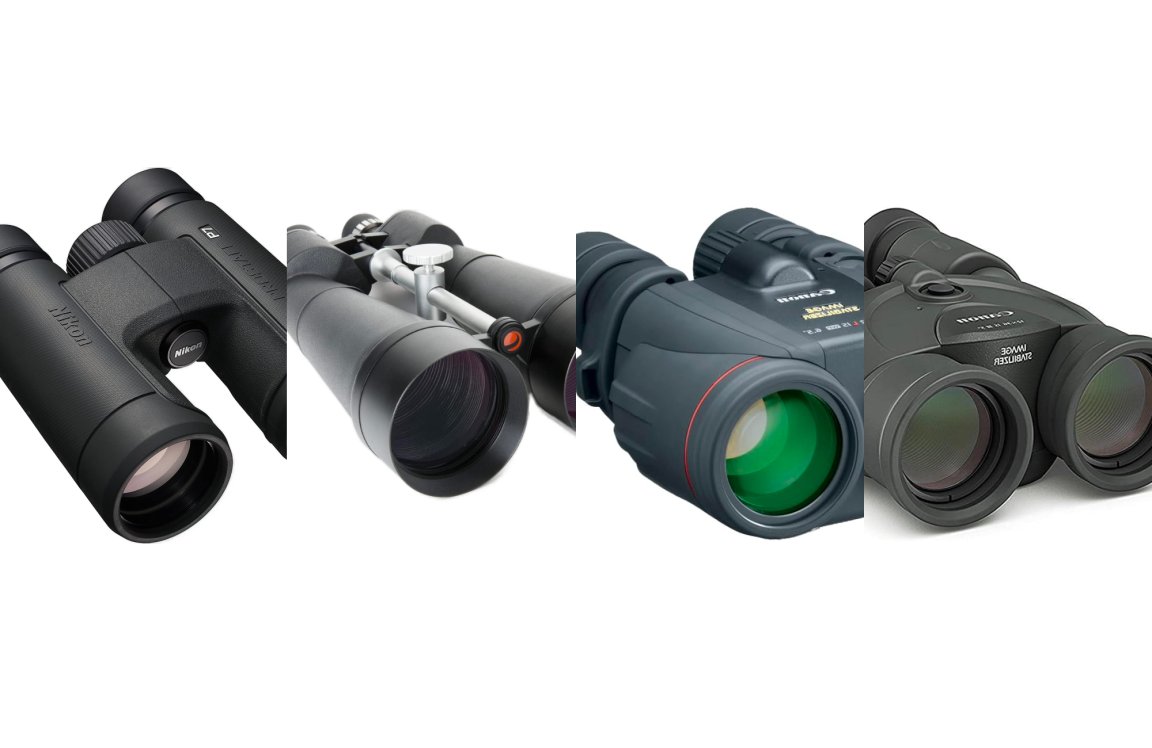
Credit: www.popsci.com
Frequently Asked Questions
What Is Field Of View In Binoculars?
The field of view (FOV) in binoculars is the visible area seen through the lenses. It is usually measured in degrees or feet at a specific distance. A wider FOV allows you to see more of the surrounding area, which is beneficial for surveillance.
Why Is Fov Important For Surveillance?
A wider field of view is crucial for surveillance as it covers more area. This allows you to detect movement and activity over a larger space. It helps in identifying potential threats quickly and efficiently, making it an essential feature for surveillance binoculars.
How Do I Choose The Right Fov?
Choosing the right FOV depends on your surveillance needs. For broader landscapes, a wider FOV is ideal. For detailed observation, a narrower FOV with higher magnification is better. Consider your specific requirements to ensure optimal surveillance efficiency.
Does Higher Magnification Affect Fov?
Yes, higher magnification typically reduces the field of view. While it allows you to see details more clearly, it limits the visible area. It’s important to balance magnification and FOV for effective surveillance, depending on your specific requirements.
Conclusion
Choosing the right field of view for surveillance binoculars matters a lot. A wider view helps you see more area at once. A narrower view shows details far away but less around. Think about your needs and the place you watch.
Balance between seeing wide and seeing far. The best choice fits your task perfectly. This way, your binoculars work well every time you use them. Keep these points in mind for smarter binocular choices.