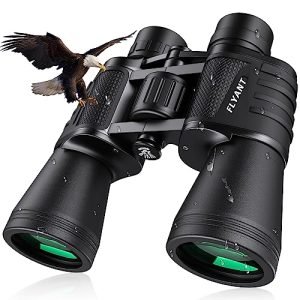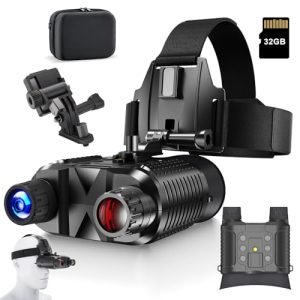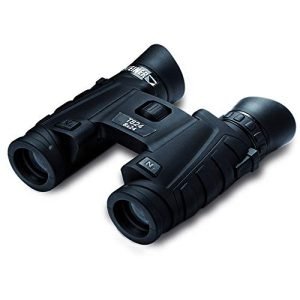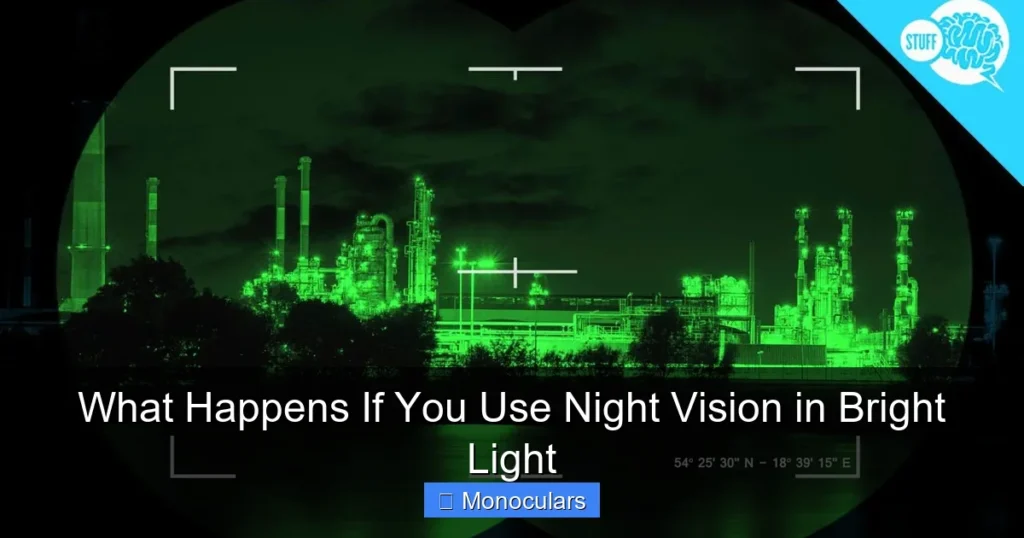
Using night vision in bright light can damage your device and harm your eyes. Most night vision monoculars are designed for low-light conditions and aren’t built to handle direct sunlight or intense artificial light. Exposure to bright light can cause permanent damage to the image intensifier tube, leading to costly repairs or replacement.
Have you ever wondered what would happen if you pointed your night vision monocular at a sunny street or a brightly lit room? It might seem harmless—after all, it’s just a lens, right? But the truth is, using night vision in bright light can lead to serious consequences, both for your device and your eyes. Night vision technology is a marvel of modern optics, designed to amplify tiny amounts of light so you can see in near-total darkness. But like any precision tool, it has its limits. Push those limits, and you risk frying the internal components or even hurting your vision.
Most people buy night vision monoculars for activities like wildlife observation, security surveillance, or nighttime hiking. These devices work by capturing ambient light—like moonlight or starlight—and amplifying it thousands of times to create a visible image. But when you expose that sensitive system to bright light, especially direct sunlight, things go wrong fast. The delicate image intensifier tube, which is the heart of traditional night vision, wasn’t built to handle high-intensity light. It’s like pointing a magnifying glass at the sun—except instead of burning paper, you’re burning out your gear.
Key Takeaways
- Bright light can permanently damage night vision devices: The sensitive image intensifier tube can be fried by exposure to sunlight or strong artificial light.
- Using night vision in daylight without filters is risky: Most standard monoculars lack built-in protection against high-light environments.
- Daylight filters can help but aren’t foolproof: Specialized filters reduce light intensity but don’t eliminate all risks, especially in direct sun.
- Eye safety is a major concern: Staring through a night vision device in bright light can cause eye strain or temporary vision issues.
- Modern digital night vision is more resilient: Unlike traditional analog models, digital units often have automatic shutoffs and better light tolerance.
- Always check manufacturer guidelines: Follow the user manual to avoid voiding warranties or causing accidental damage.
- Store and use responsibly: Keep your monocular in a protective case and avoid exposing it to sudden shifts from dark to bright environments.
📑 Table of Contents
How Night Vision Works
To understand why bright light is dangerous, it helps to know how night vision actually functions. Traditional night vision devices, including many monoculars, use an image intensifier tube. This tube takes in photons (light particles) through the objective lens and converts them into electrons. These electrons are then amplified and shot onto a phosphor screen, creating the familiar green-hued image you see through the eyepiece.
This process works beautifully in low-light conditions. But when too many photons flood the system—like when you look at a streetlamp or step into daylight—the tube becomes overwhelmed. The electrons multiply uncontrollably, creating a blindingly bright image that can damage the phosphor coating or even melt internal components. It’s not just about brightness; it’s about the sudden surge of energy that the system isn’t designed to handle.
Digital vs. Analog Night Vision
Not all night vision is created equal. While analog systems rely on the fragile image intensifier tube, digital night vision uses a different approach. These devices have a digital sensor (similar to a camera) that captures light and converts it into a digital image. Because they don’t use a phosphor screen or electron multiplier, they’re generally more resilient to bright light.
Many modern digital monoculars come with automatic gain control and even built-in shutoff features that kick in when light levels get too high. This makes them safer for accidental exposure. However, even digital models have limits. Prolonged exposure to direct sunlight can still overheat the sensor or cause image distortion. So while they’re more forgiving, they’re not invincible.
The Dangers of Bright Light Exposure
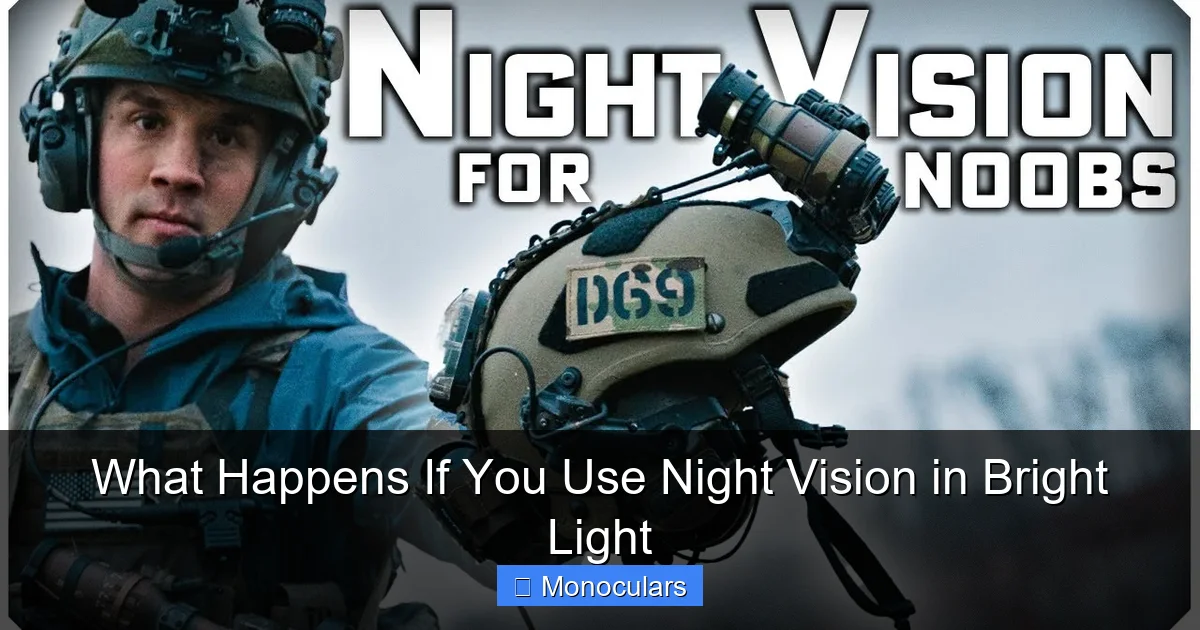
Visual guide about What Happens If You Use Night Vision in Bright Light
Image source: i.ytimg.com
So what exactly happens when you use night vision in bright light? The short answer: bad things. The most immediate risk is damage to the image intensifier tube. In analog devices, this tube is extremely sensitive. A few seconds of direct sunlight can cause permanent “blooming” or “burn-in,” where bright spots remain visible even after the light source is removed. In severe cases, the tube can be completely destroyed, rendering the device useless.
But it’s not just the hardware at risk. Your eyes are also vulnerable. Night vision monoculars are designed to work with low light, so when you suddenly expose them to a bright environment, the amplified image can be painfully intense. Staring through a night vision scope at a lit room or outdoor scene can cause eye strain, headaches, or even temporary vision disturbances. It’s similar to looking directly at a bright flashlight—except the light is being amplified, making it even more dangerous.
Real-World Examples
Imagine you’re out camping at night, using your monocular to spot wildlife. You’re deep in the woods, and everything is dark. Then, as dawn breaks, you forget to turn off the device and point it toward the rising sun. Within seconds, the image intensifier tube is flooded with light. You might see a blinding flash, followed by a dark spot in the center of your view. That’s burn-in—a permanent scar on the tube.
Or picture a security guard using a night vision monocular during a nighttime patrol. If they accidentally swing the device toward a streetlight or car headlights, the sudden burst of light can overload the system. Not only does this risk damaging the gear, but it also creates a moment of disorientation that could be dangerous in a high-stakes situation.
Can You Use Night Vision in Daylight?
Now, you might be thinking: “But I’ve seen people use night vision during the day.” And you’re right—some people do. But there’s a big difference between using night vision in daylight and using it in bright light. Daylight use is possible, but only under specific conditions and with the right equipment.
Daylight Filters and Protective Gear
Some night vision monoculars come with or can be fitted with daylight filters. These are special lenses that reduce the amount of light entering the device. They’re often tinted (like a neutral density filter on a camera) and help prevent overload. However, even with a filter, direct sunlight can still pose a risk. Filters aren’t magic shields—they just reduce light intensity, not eliminate the danger entirely.
If you plan to use your monocular during the day, look for models specifically rated for daylight use. These often have built-in protection mechanisms, such as automatic brightness control or shutoff timers. Some high-end models even switch to a “day mode” that adjusts the gain and contrast for brighter environments.
Best Practices for Daytime Use
If you must use night vision in daylight, follow these tips:
– Always use a daylight filter if available.
– Avoid pointing the monocular at direct light sources like the sun, headlights, or bright lamps.
– Limit exposure time—don’t leave the device on in bright conditions for extended periods.
– Turn off the device when not in use, especially when moving from dark to light areas.
– Store the monocular in a protective case when not in use to prevent accidental exposure.
Remember, just because you *can* use night vision in daylight doesn’t mean you *should*. The safest approach is to reserve your monocular for low-light or nighttime use, where it performs best and lasts longest.
Protecting Your Investment
Night vision monoculars aren’t cheap. A quality model can cost hundreds or even thousands of dollars. Protecting that investment means understanding the limits of the technology and using it responsibly. One of the easiest ways to extend the life of your device is to avoid exposing it to bright light.
Proper Storage and Handling
Always store your monocular in a padded case when not in use. This protects it from dust, moisture, and accidental bumps. More importantly, it prevents unintentional exposure to light. If you’re hiking or camping, keep the device covered when moving through bright areas.
When transitioning from dark to light environments—like walking out of a cave or leaving a dim room—turn off the monocular and cover the lens. Sudden shifts in light can shock the system, even if the light isn’t extremely bright.
Regular Maintenance
Check your device regularly for signs of damage. Look for dark spots, flickering, or a dim image—these could indicate tube damage from light exposure. If you notice any issues, stop using the device and consult the manufacturer. Continuing to use a damaged monocular can worsen the problem and void your warranty.
Also, keep the lenses clean. Dust and smudges can scatter light, increasing the risk of hot spots that might stress the intensifier tube. Use a soft microfiber cloth and lens cleaner designed for optics.
Choosing the Right Night Vision Monocular
Not all night vision devices are equally vulnerable to bright light. When shopping for a monocular, consider these factors:
Generation and Technology
Night vision is categorized into generations (Gen 1, Gen 2, Gen 3, etc.), with higher generations offering better performance and durability. Gen 3 devices, for example, are more robust and often include protective features like automatic brightness control. However, even high-gen tubes can be damaged by direct sunlight.
Digital night vision, as mentioned earlier, tends to be more forgiving. If you’re concerned about accidental light exposure, a digital monocular might be a safer choice.
Built-in Safety Features
Look for models with automatic shutoff, overload protection, or daylight compatibility. These features can save your device—and your eyes—from harm. Some premium monoculars even have sensors that detect high light levels and adjust the gain or power down the tube.
User Reviews and Manufacturer Guidelines
Before buying, read user reviews and check the manufacturer’s recommendations. Some brands are more transparent about light tolerance than others. If the manual warns against daylight use, take that seriously. It’s better to be safe than sorry.
Conclusion
Using night vision in bright light is a risky move that can lead to permanent damage to your device and potential harm to your eyes. While the technology is incredibly useful in low-light conditions, it’s not built to handle the intensity of sunlight or strong artificial light. Whether you’re using an analog or digital monocular, always exercise caution and follow best practices.
Protect your investment by storing your device properly, using filters when necessary, and avoiding direct exposure to bright light sources. If you’re unsure, err on the side of caution—turn off the device and cover the lens. With the right care, your night vision monocular can provide years of reliable service, helping you see clearly in the dark without risking damage in the light.
Frequently Asked Questions
Can night vision be used in daylight?
Yes, but only with caution. Some night vision monoculars can be used in daylight with a daylight filter, but direct exposure to bright light can still damage the device. Always check the manufacturer’s guidelines before use.
Will sunlight destroy my night vision monocular?
Yes, direct sunlight can permanently damage the image intensifier tube in analog devices, causing burn-in or complete failure. Even brief exposure can be harmful.
Is digital night vision safer in bright light?
Generally, yes. Digital night vision uses sensors instead of fragile tubes, making them more resistant to bright light. However, prolonged exposure can still cause overheating or image issues.
What should I do if I accidentally expose my monocular to bright light?
Turn off the device immediately and inspect it for damage. Look for dark spots or flickering. If you notice issues, stop using it and contact the manufacturer.
Can I fix a night vision monocular damaged by light?
In most cases, no. Damage to the image intensifier tube is usually permanent and requires professional repair or replacement, which can be costly.
Are there night vision monoculars made for daylight use?
Yes, some models are designed for both day and night use and include protective features like automatic gain control and daylight filters. Look for “day/night capable” in the product description.