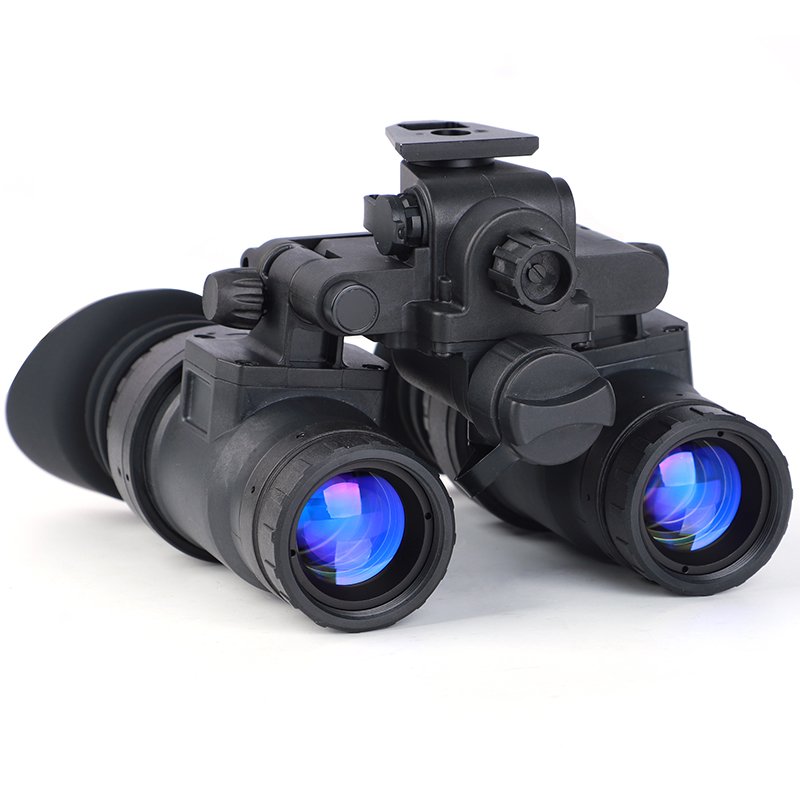
When you rely on military binoculars, every detail matters—especially the lenses. Have you ever wondered what makes these lenses so clear, durable, and effective in tough conditions?
The secret lies in the special coatings applied to them. These coatings don’t just protect the glass; they enhance your vision, reduce glare, and make sure you see your target with sharp precision. You’ll discover the key coatings used on military binocular lenses and why they are crucial for your success in the field.
Keep reading to unlock the science behind the clarity you depend on.
Lens Coating Basics
Military binocular lenses have special coatings. These coatings help improve vision and protect the lenses. Coatings reduce glare and increase light transmission.
Understanding the coatings helps in choosing better binoculars. Coatings also make lenses last longer under tough conditions.
Purpose Of Lens Coatings
Lens coatings serve many important purposes. They help to reduce reflections on the glass surface. This makes images clearer and brighter.
- Reduce glare from sunlight or artificial light
- Increase light passing through the lens
- Protect lenses from scratches and damage
- Improve color accuracy and contrast
- Make lenses easier to clean
Types Of Optical Coatings
Military binocular lenses use different coating types. Each type has a special job to improve the lens performance.
| Coating Type | Function | Benefit |
| Anti-Reflective (AR) | Reduces reflections | Brighter and clearer images |
| Phase Correction | Corrects light phase shifts | Sharper image details |
| Hydrophobic | Repels water | Clear view in wet conditions |
| Scratch Resistant | Protects lens surface | Longer lens life |
| Mirror Coating | Reflects certain light | Reduces glare and heat |
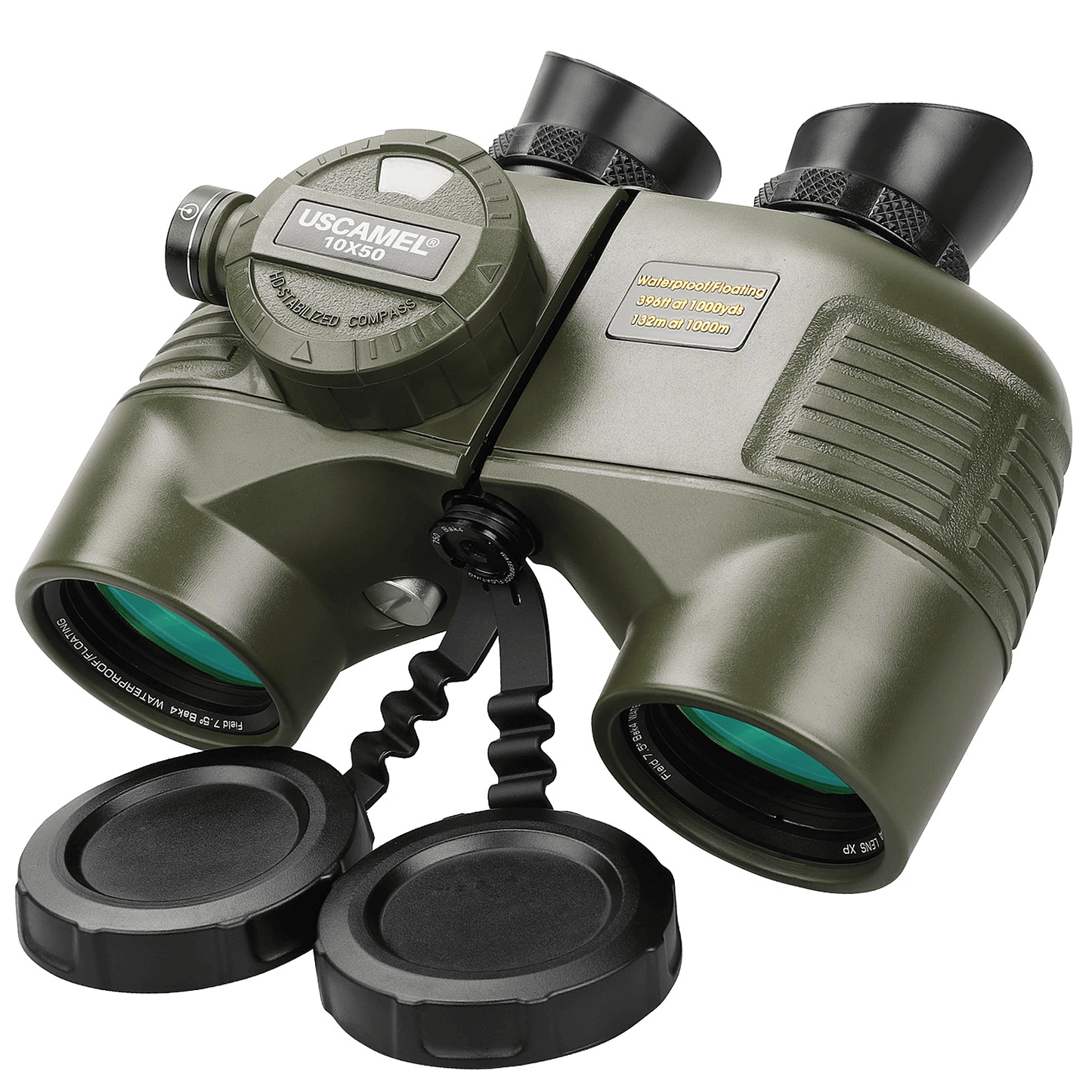
Credit: uscameloptics.com
Anti-reflective Coatings
Military binoculars use special coatings on their lenses. These coatings reduce reflections and improve vision. Anti-reflective coatings help soldiers see clearly in tough conditions.
These coatings are thin layers applied to the lens surface. They make the binoculars more effective by controlling light behavior.
Reducing Glare And Reflection
Glare and reflections can block the view through binoculars. Anti-reflective coatings lower the amount of light that bounces off lenses. This helps reduce distracting glare.
Less reflection means clearer images. Soldiers can spot targets easier and faster. These coatings also improve the binoculars’ stealth by reducing lens shine.
- Coatings work by canceling reflected light waves
- They reduce mirror-like glare on lenses
- Help maintain clear sight during bright conditions
Improving Light Transmission
Anti-reflective coatings allow more light to pass through the lenses. This improves the brightness of the image seen through binoculars. Better light transmission helps in low-light or night situations.
More light reaching the eye means sharper and clearer views. Soldiers can see details even at dusk or dawn. These coatings make binoculars more useful in all lighting conditions.
- Increase brightness and clarity of images
- Help in fog, rain, and low light
- Enhance color accuracy and contrast
Protective Coatings
Military binocular lenses need special coatings to protect them. These coatings keep the lenses safe from damage and help them work well in tough conditions.
Protective coatings improve durability and performance. They help the lenses last longer and keep the view clear in different environments.
Scratch Resistance
Scratch resistance coatings protect lenses from getting marks. This is important because scratches can blur the image and reduce clarity.
These coatings make the glass surface harder. They help the lenses survive rough handling and contact with hard objects.
- Use of hard materials like diamond-like carbon
- Thin layers that bond tightly to the lens surface
- Protection against dust, sand, and accidental drops
Water And Fog Repellency
Water and fog repellency coatings keep lenses clear in wet or cold weather. They stop water drops and fog from sticking to the glass.
These coatings let water slide off fast. They also reduce fogging inside the lenses caused by temperature changes.
- Hydrophobic layers that repel water
- Anti-fog treatments to prevent mist build-up
- Improve visibility in rain, snow, and humid conditions
Specialized Coatings
Military binocular lenses use special coatings to improve vision quality. These coatings help protect the lenses and enhance image clarity.
The coatings also help the binoculars work better in tough conditions like low light or harsh environments.
Night Vision Compatibility
Some military binoculars have coatings that let them work with night vision devices. These coatings reduce glare and improve light transmission.
They help the binoculars capture more light in dark areas. This makes it easier to see at night.
- Reduces reflection for clearer images
- Improves light transmission in low light
- Compatible with night vision goggles and scopes
Infrared And Uv Filtering
Coatings on military binocular lenses often block harmful infrared and ultraviolet light. This protects the user’s eyes and improves image quality.
Filtering these rays also reduces eye strain during long use. It keeps the image sharp and clear in bright sunlight.
- Blocks harmful UV rays to protect eyes
- Filters infrared light for better image contrast
- Reduces glare in bright conditions
Coating Application Techniques
Military binocular lenses use special coatings to improve image quality. These coatings reduce glare and protect lenses from damage. The coatings are applied using precise techniques.
Two common methods are vacuum deposition and durability testing. These methods ensure the coatings last long and work well in tough conditions.
Vacuum Deposition Methods
Vacuum deposition is a process that applies thin coatings on lenses. The lens is placed inside a vacuum chamber. Metal or oxide materials turn into vapor and settle on the lens surface. This creates a smooth, even layer.
- Physical Vapor Deposition (PVD): Uses heat to vaporize coating material.
- Chemical Vapor Deposition (CVD): Uses chemical reactions to form coatings.
- Electron Beam Evaporation: Uses an electron beam to vaporize metals.
- Sputtering: Uses ions to knock coating atoms onto the lens.
Durability Testing
Durability tests check if coatings can handle harsh military use. Tests include scratches, temperature changes, and moisture exposure. The coatings must stay clear and intact under these conditions.
| Test Type | Purpose | Result Needed |
| Scratch Resistance | Check coating hardness | No visible damage |
| Thermal Cycling | Test temperature changes | No cracking or peeling |
| Humidity Exposure | Check moisture effects | No fogging or corrosion |
| Salt Spray | Simulate marine conditions | Coating remains stable |
Impact On Performance
Military binocular lenses use special coatings to improve how well they work. These coatings help soldiers see clearer images and protect lenses in tough places.
The coatings affect how light passes through the lenses and how strong the lenses stay during missions. This makes a big difference in performance.
Clarity And Contrast Enhancement
Coatings reduce glare and reflection on the lenses. This helps users see sharper and clearer images.
They also improve contrast, making objects stand out better against backgrounds. This is important for spotting details far away.
- Anti-reflective coatings increase light transmission
- Multilayer coatings reduce image distortion
- Contrast-enhancing coatings improve color accuracy
Operational Reliability In Harsh Conditions
Military coatings protect lenses from scratches, dust, and water. This keeps the binoculars working well in rain, dust storms, and rough use.
Some coatings also prevent fogging inside the lenses. This helps soldiers see clearly in cold or humid environments.
- Scratch-resistant coatings extend lens life
- Water-repellent coatings keep lenses clear
- Anti-fog coatings maintain visibility in moisture
Future Trends In Lens Coatings
Lens coatings on military binoculars improve image quality and durability. New technologies are shaping the future of these coatings.
Advances in materials and environmental care guide new coating developments. These trends aim to enhance performance and reduce impact on nature.
Nanotechnology Advances
Nanotechnology creates very thin layers on lenses. These layers reduce glare and increase light transmission.
- Improves scratch resistance
- Enhances water and dust repellency
- Provides better color accuracy
- Increases lens durability under harsh conditions
Eco-friendly Coatings
Eco-friendly coatings use less harmful chemicals. They aim to protect the environment during production and use.
| Feature | Traditional Coatings | Eco-Friendly Coatings |
| Chemical Use | High | Low |
| Biodegradability | None | Partial |
| Energy Consumption | High | Reduced |
| Durability | High | Moderate to High |

Credit: jaxy-binoculars.com

Credit: www.wikiwand.com
Frequently Asked Questions
What Coatings Improve Military Binocular Lens Durability?
Military binocular lenses use hard, scratch-resistant coatings to enhance durability. These coatings protect lenses from impacts, abrasions, and harsh environments, ensuring reliable performance in demanding conditions.
How Do Anti-reflective Coatings Benefit Military Binoculars?
Anti-reflective coatings reduce glare and light loss on military binocular lenses. This improves image brightness, contrast, and clarity, allowing soldiers to see clearer images in low-light or bright environments.
Why Are Waterproof Coatings Crucial For Military Binoculars?
Waterproof coatings prevent moisture and fog buildup inside binocular lenses. This ensures clear vision in wet or humid conditions and protects the optics from damage caused by water exposure.
Do Military Binocular Lenses Have Camouflage Coatings?
Yes, some military binoculars feature matte or anti-glare coatings. These reduce reflections and help conceal the binoculars from enemy detection during operations.
Conclusion
Military binoculars rely on special lens coatings for clarity. These coatings reduce glare and improve light transmission. This ensures a clear and bright view in various conditions. Anti-reflective coatings are common. They enhance image quality by minimizing reflections. Some coatings also protect against scratches and water.
This makes binoculars durable and reliable. Choosing the right coating is crucial for optimal performance. It impacts clarity and longevity. Understanding these coatings helps in making informed decisions. With this knowledge, selecting the right binoculars becomes easier. Always consider the environment and use-case.
This ensures the best viewing experience.