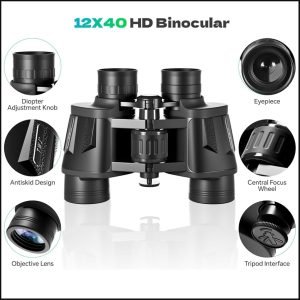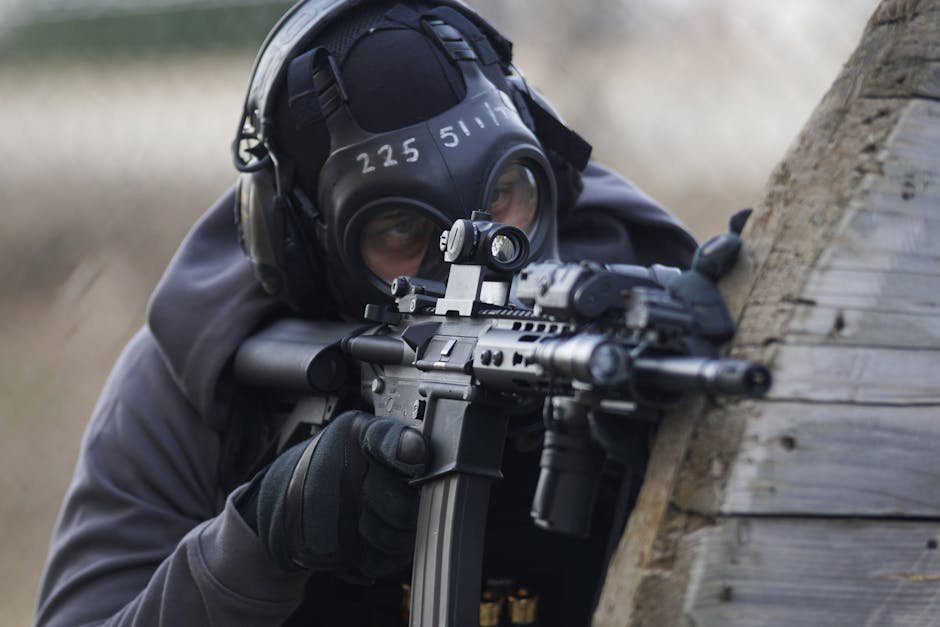
When you’re out in the field, every second counts and every detail matters. Choosing the right binoculars can make all the difference for tactical reconnaissance teams.
But what exactly do these experts use to see clearly, stay safe, and complete their missions? If you want to know which binoculars offer the perfect blend of durability, clarity, and advanced features, keep reading. This guide will help you understand what makes tactical binoculars stand out and how they can improve your own gear setup.
Don’t miss out on the insider knowledge that could give you the edge you need.
Key Features For Tactical Binoculars
Tactical reconnaissance teams rely on binoculars to gather crucial information. The right binoculars help them see clearly and act fast.
Choosing binoculars with the right features can improve mission success and safety in the field.
Durability And Build Quality
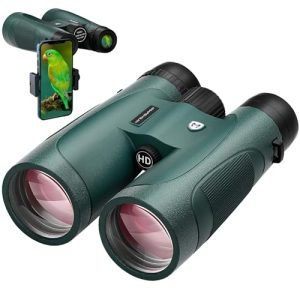
Tactical binoculars must withstand tough conditions. They often have rubber armor for shock resistance and a firm grip.
Waterproof and fog-proof designs keep lenses clear in rain or humidity. The build quality ensures long-lasting use in rough environments.
Magnification And Lens Clarity
Clear images help teams identify targets from a distance. High-quality lenses reduce glare and improve sharpness.
- Magnification usually ranges from 7x to 10x for tactical use.
- Larger lenses allow more light, improving clarity.
- Multi-coated lenses reduce reflections and increase brightness.
Field Of View And Range
A wide field of view helps spot moving objects quickly. It shows more area without moving the binoculars.
| Feature | Description |
| Field of View | Measured in feet at 1000 yards or meters at 1000 meters |
| Effective Range | Distance where details remain clear |
| Eye Relief | Distance your eyes can be from the lens without losing sight |
Night Vision And Low Light Performance
Binoculars with good low light performance help in dawn, dusk, or shaded areas. Some models include night vision or infrared features.
These features allow teams to see clearly without extra light sources, maintaining stealth during missions.
Weight And Portability
Lightweight binoculars reduce fatigue during long patrols. Compact designs fit easily in gear packs or hold in hand.
- Balance between weight and durability is crucial.
- Smaller binoculars may sacrifice some lens size or magnification.
- Comfortable grips and straps improve carry convenience.
Top Binocular Models For Recon Teams
Tactical reconnaissance teams need binoculars that offer clear vision and durability. The right binoculars help spot targets and gather information from afar.
Binoculars for recon vary from high-end military gear to budget-friendly options. Each type fits different mission needs and budgets.
High-end Military-grade Options
Military-grade binoculars provide top optical clarity and rugged build. They often come with features like night vision, range finding, and waterproofing.
- Leica Geovid HD-B: Combines laser rangefinder and HD optics for precise targeting.
- Zeiss Victory RF: Known for sharp images and robust design under tough conditions.
- Steiner Military-Marine: Durable and waterproof with good light transmission.
Mid-range Tactical Choices
Mid-range binoculars balance quality and cost. They suit teams needing solid performance without the highest price.
| Model | Magnification | Features | Price Range |
| Nikon Monarch 7 | 8×42 | Waterproof, fog proof | Mid |
| Vortex Viper HD | 10×42 | HD lenses, rubber armor | Mid |
| Bushnell Legend Ultra HD | 10×42 | ED glass, waterproof | Mid |
Budget-friendly Yet Reliable Picks
Reliable binoculars exist at lower prices for teams with limited funds. They offer decent optics and solid build quality.
- AmazonBasics 10×42: Good clarity for its low price.
- Eyeskey 10×42: Waterproof and fog proof for outdoor use.
- Aurosports 10×42: Lightweight and easy to carry.
Specialized Binocular Technologies
Tactical reconnaissance teams need binoculars that offer more than just magnification. These binoculars use special technologies to help teams see clearly in tough conditions. They combine several features to provide better vision and accuracy.
Understanding these specialized technologies helps explain why certain binoculars are chosen for tactical use. They allow teams to detect heat, measure distances, and reduce image shakiness.
Thermal Imaging Integration
Thermal imaging binoculars detect heat from objects and living beings. This technology works well in darkness, smoke, or fog. It helps teams spot hidden threats or targets.
- Detect warm bodies or vehicles at night
- See through smoke or light fog
- Identify heat signatures from a distance
- Enhance visibility in total darkness
Rangefinder Capabilities
Rangefinder binoculars measure the distance to a target accurately. This feature is important for planning and precise observation. It helps teams decide on the best actions based on how far the target is.
| Feature | Benefit |
| Laser Rangefinder | Quick and accurate distance measurement |
| Digital Display | Easy reading of distance data |
| Multiple Modes | Adjusts for different terrain and targets |
| Long Range | Measures targets hundreds of meters away |
Image Stabilization Features
Image stabilization reduces shaking caused by hand movement. This feature makes the image steady and clear. It helps teams keep a focused view during long observations or on rough terrain.
- Clearer images at high magnification
- Less eye strain during long use
- Better target tracking while moving
- Improved accuracy in spotting details
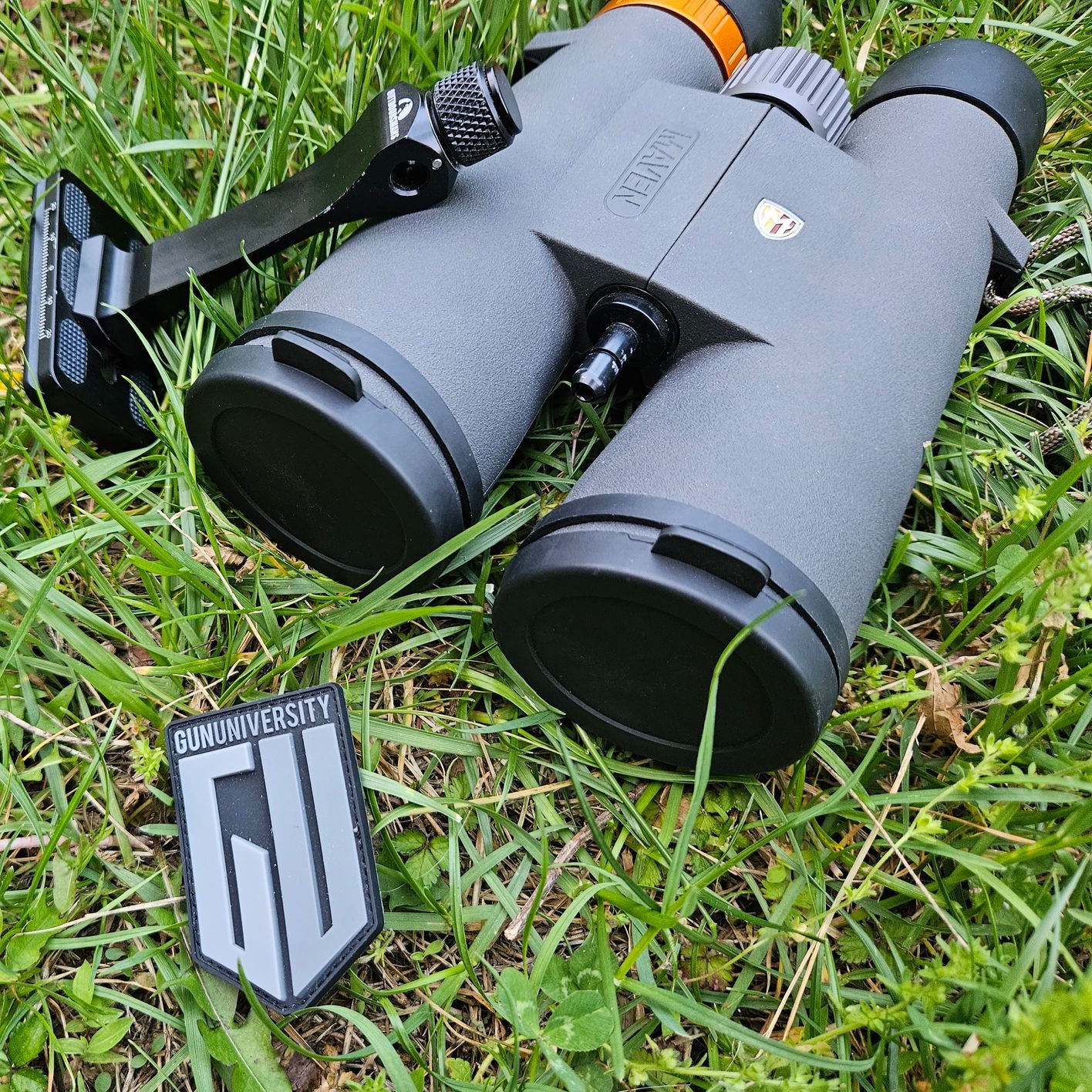
Credit: gununiversity.com
How Recon Teams Select Binoculars
Tactical reconnaissance teams need binoculars that fit their mission well. Choosing the right binoculars helps them see clearly and stay safe.
Many factors affect this choice. Teams look at how they will use the binoculars and where they will operate.
Mission Requirements And Environment
Recon teams match binocular features with their mission needs and environment. They consider distance, light, and weather conditions.
- Magnification power for clear long-distance viewing
- Lens size for low-light or night use
- Durability for harsh weather and rough handling
- Weight for easy carrying during long missions
- Waterproof and fog-proof features
User Feedback And Field Testing
Teams test binoculars in real conditions before choosing them. User feedback helps find strengths and weaknesses.
| Feedback Aspect | Importance | Example |
| Image clarity | High | Clear view of targets |
| Comfort | Medium | Fits well on eyes |
| Durability | High | Resists drops and water |
| Ease of use | Medium | Simple focus adjustment |
| Battery life (if digital) | Low to Medium | Lasts whole mission |
Balancing Performance With Cost
Teams balance high performance with budget limits. They seek binoculars that give good value for money.
- Compare features vs. price
- Choose trusted brands with good warranties
- Consider long-term durability to reduce replacement cost
- Opt for models that meet mission needs without extra features
Maintenance And Care For Tactical Binoculars
Proper care of tactical binoculars ensures they work well during missions. Regular maintenance helps keep the lenses clear and the body strong. This guide covers tips to clean, store, and fix common problems with tactical binoculars.
Following simple steps can extend the life of your binoculars and keep them ready for use. Knowing the right way to upgrade and add accessories also improves their performance.
Cleaning And Storage Tips
Keep your tactical binoculars clean to maintain clear vision. Use soft cloths and special cleaning solutions made for optics. Avoid harsh chemicals that can damage the lens coatings.
- Use a soft brush to remove dust before wiping lenses
- Apply lens cleaner only on the cloth, not directly on lenses
- Store binoculars in a dry, cool place away from sunlight
- Use a protective case to prevent scratches and impact
- Remove batteries if storing for long periods to avoid leaks
Troubleshooting Common Issues
Sometimes, binoculars may fog up or focus poorly. These problems often have simple fixes. Check for dirt or moisture inside the lenses first.
| Issue | Cause | Solution |
|---|---|---|
| Foggy lenses | Moisture inside | Dry with silica gel packs or air out in a dry place |
| Blurry image | Incorrect focus or dirty lenses | Adjust focus wheel and clean lenses carefully |
| Loose parts | Wear or impact | Tighten screws or visit a professional for repair |
Upgrading And Accessory Options
You can improve tactical binoculars with added accessories. Some upgrades make use easier and increase durability. Choose parts that fit your model and mission needs.
- Use lens covers to protect optics during movement
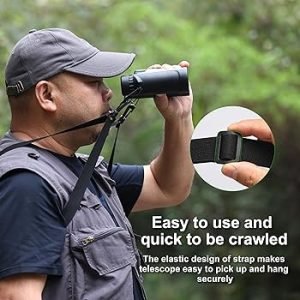
- Add straps or harnesses for hands-free carrying
- Install anti-reflective coatings for better night vision
- Attach tripods for stable viewing over long periods
- Upgrade eyecups for better eye comfort and sealing
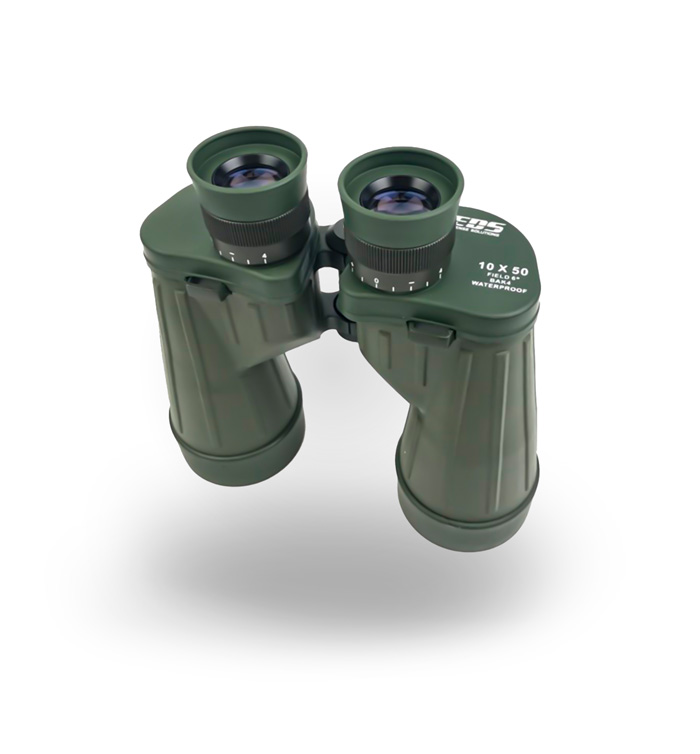
Credit: hedsusa.com

Credit: www.armysurplusworld.com
Frequently Asked Questions
What Features Make Binoculars Ideal For Tactical Reconnaissance?
Tactical binoculars need durability, waterproofing, and night vision. They should offer high magnification and wide field of view for clear, distant observation. Lightweight and compact design ensures easy handling during missions.
Which Brands Are Popular Among Tactical Reconnaissance Teams?
Brands like Steiner, Vortex, and Bushnell are favored for tactical use. These brands provide rugged, reliable binoculars with advanced optics. Their products meet military-grade standards for performance and durability.
How Does Magnification Affect Tactical Binocular Performance?
Higher magnification helps see distant targets clearly but may reduce image stability. Tactical teams often choose 8x to 10x magnification for balance. This range provides clear details without sacrificing field of view.
Are Night Vision Binoculars Essential For Tactical Reconnaissance?
Night vision binoculars are crucial for low-light or nighttime missions. They enhance visibility without giving away the team’s position. Many tactical units rely on them for stealth and safety.
Conclusion
Tactical reconnaissance teams rely on strong, clear binoculars. These tools help them see far and stay safe. Features like durability, light weight, and good zoom matter most. Teams choose models that work well in tough conditions. Quality optics give an important advantage in the field.
Choosing the right binoculars means better missions and results. Simple, reliable gear makes a big difference every time.