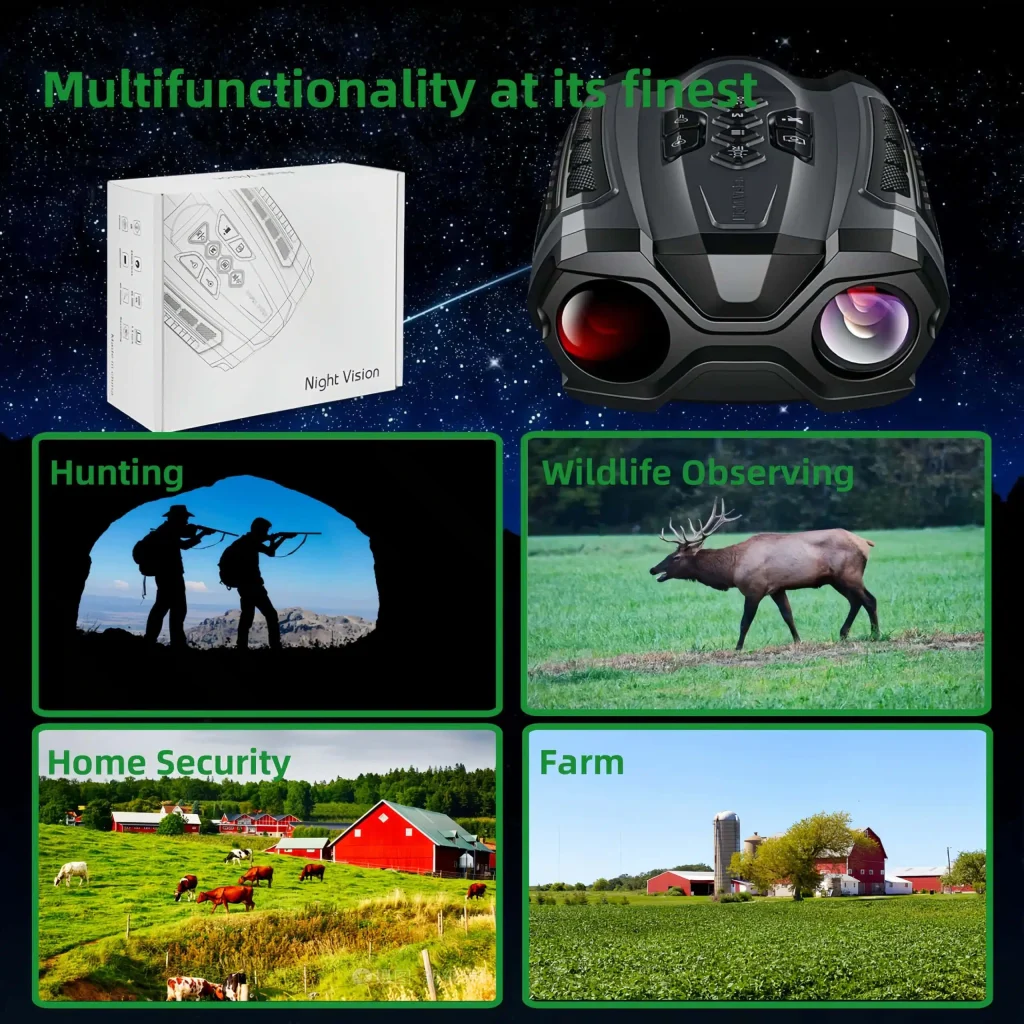
Imagine spotting a rare owl gliding silently through the night or watching deer move quietly under the moonlight—all without disturbing their natural behavior. Using night vision binoculars for wildlife observation can turn these moments into your reality.
If you want to unlock the secrets of the nocturnal world and see animals in ways you never thought possible, this guide is made just for you. Keep reading to discover simple, practical tips that will help you master night vision binoculars and experience wildlife like never before.

Credit: www.amazon.com
Choosing The Right Night Vision Binoculars
Choosing night vision binoculars with clear lenses and good range helps spot animals easily in the dark. Adjust the focus slowly to see wildlife without disturbing them. Using steady hands and quiet movements improves the observation experience.
Types Of Night Vision Technology
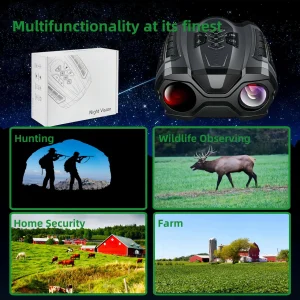
Night vision binoculars use special technology to see in the dark. Infrared technology is very popular. It uses light that is invisible to people. Thermal imaging shows heat from animals. This helps find wildlife even in total darkness. Image intensification makes dim light brighter. It helps see details in low light.
Key Features To Consider
Choose binoculars with good magnification. This lets you see animals far away. Lens quality is important for clear images. Weather resistance protects binoculars in rain or fog. Battery life is crucial for long outings. Weight should be light for easy carrying.
Budget Vs Performance
More expensive binoculars often have better features. They may offer clearer images or longer battery life. Affordable options can work well for beginners. Performance should match your needs and budget. Research before buying to find the best value.
Preparing For Nighttime Wildlife Observation
Choose places where animals like to stay at night. Look near water, trees, or open fields. Quiet spots help you see more animals. Avoid bright lights that can scare animals away.
Animals are most active just after sunset and before sunrise. Plan your trips during these times for better chances to see wildlife. Night vision binoculars work best in low light.
- Night vision binoculars with good battery life
- Extra batteries to avoid running out of power
- Comfortable clothing to stay warm and quiet
- Flashlight with a red filter to keep light low
- Notebook and pen to record your sightings
Setting Up Your Binoculars
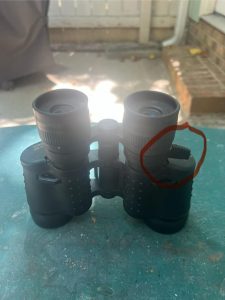
Adjust the focus by turning the focus wheel slowly. This makes images sharper and clearer. Set the magnification to a level that lets you see animals well without shaking the view. Too much zoom can make images blurry. Start with a low zoom and increase it step by step.
Check the batteries before using your binoculars. Use fresh or fully charged batteries for best results. Replace old batteries to avoid power loss during observation. Keep spare batteries in a dry place. Clean battery contacts to maintain good connection.
Calibrate your binoculars by aiming at a distant, well-lit object. Adjust the diopter ring to fine-tune the focus for each eye. Repeat this until the image looks clear and natural. Calibration helps reduce eye strain and improves image quality.

Credit: www.hammacher.com
Techniques For Effective Wildlife Viewing
Wildlife observation at night needs quiet and slow movements. Sudden sounds or quick actions can scare animals away. Walking softly and pausing often helps keep animals calm.
Infrared illuminationlets you see animals without bright lights. Use a night vision binocular with built-in infrared or attach a small infrared light. This light is invisible to animals, so they stay unaware of your presence.
Watching animal behavior at night requires patience. Notice how animals move and where they go. Many animals follow paths or come to water spots. Tracking these patterns helps find them again.
Safety Tips For Nighttime Exploration
Use a <strong flashlight="" lightto keep your eyes adjusted to darkness. Walk slowly and watch your steps carefully to avoid tripping on rocks or roots. Carry a map or GPS deviceto stay on safe paths and avoid getting lost. Wearing sturdy shoes helps protect your feet on rough ground.
Keep a good distance from animals to avoid scaring them. Make soft noises to warn animals of your presence without startling them. Avoid shining bright lights directly at animals as it can disturb their natural behavior. Stay calm and quiet to enjoy observing wildlife peacefully.
Carry a first aid kitfor minor injuries. Let someone know your location and expected return time before exploring. Bring a fully charged phone or a communication device for emergencies. Always have extra batteries for your night vision binoculars and flashlight.
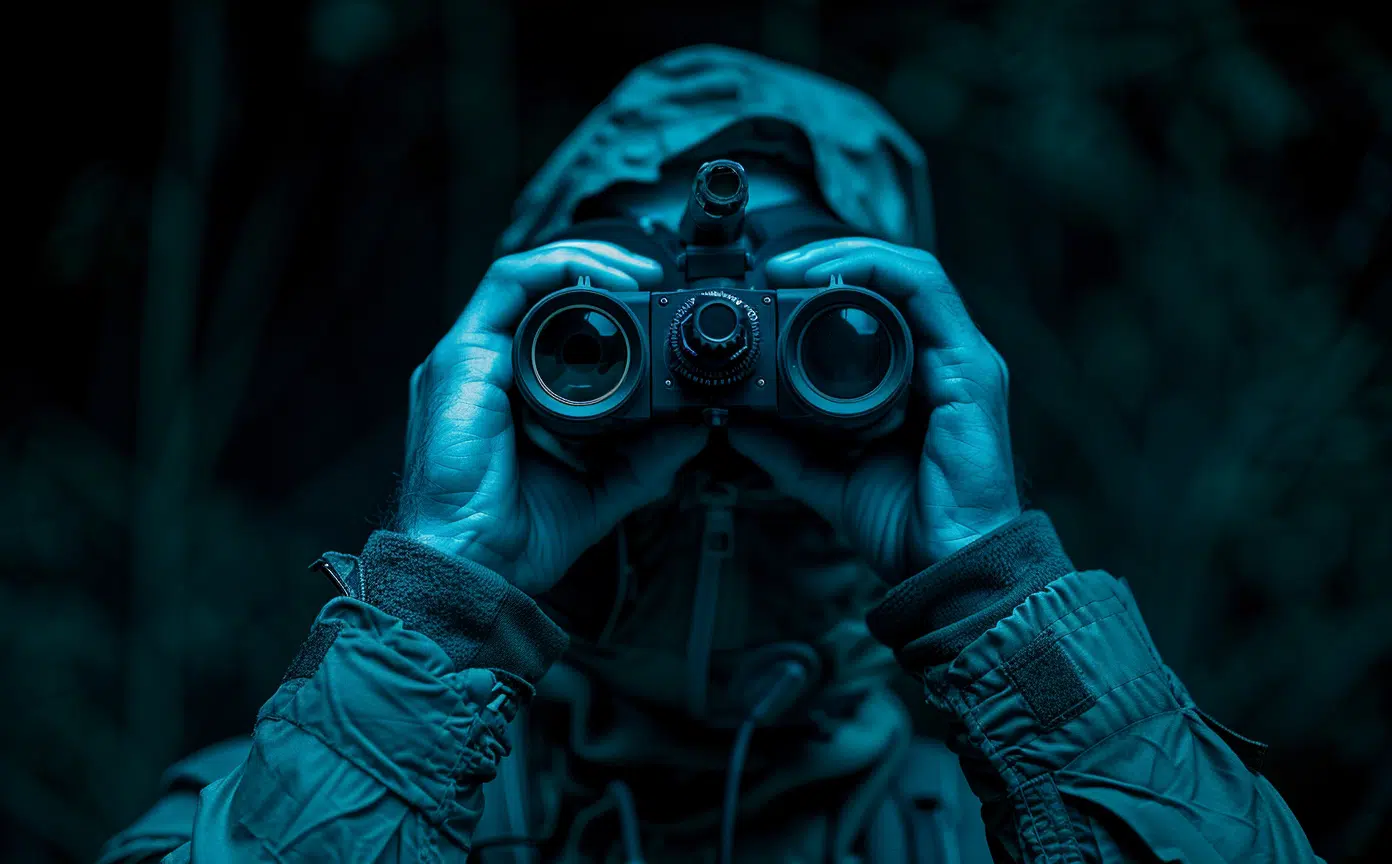
Credit: www.usnighthawk.com
Maintaining And Storing Your Binoculars
Cleaning lenseswith a soft cloth keeps images clear. Use a special lens brush or air blower to remove dust. Avoid touching lenses with fingers to stop smudges. Use lens cleaning fluid made for optics. Gently wipe lenses in a circular motion. Never use paper towels or rough cloth.
Store binoculars in a dry, cool place. Use a padded case to avoid damage. Avoid leaving binoculars in direct sunlight or damp areas. Keep binoculars away from extreme heat or cold. Store them with lens caps on to protect from scratches.
- Check for loose screws or parts regularly
- Ensure the focus wheel moves smoothly
- Look for cracks or damage on the body
- Replace worn-out straps or cases
- Keep lenses covered when not in use
Frequently Asked Questions
What Are The Best Night Vision Binoculars For Wildlife?
The best night vision binoculars offer high resolution, good magnification, and long battery life. Look for models with infrared illumination for clear viewing in total darkness.
How Do Night Vision Binoculars Enhance Wildlife Observation?
Night vision binoculars amplify low light, allowing you to see animals clearly at night. They reveal nocturnal behaviors invisible to the naked eye.
Can I Use Night Vision Binoculars In Complete Darkness?
Yes, with built-in infrared LEDs, night vision binoculars work well in total darkness. Infrared light is invisible to animals, minimizing disturbance.
How Do I Maintain Night Vision Binoculars Properly?
Keep lenses clean and store binoculars in a dry, safe place. Avoid exposure to bright light to protect sensitive night vision components.
Conclusion
Night vision binoculars help you see wildlife clearly at night. Choose the right model for your needs and practice using it. Stay quiet and move slowly to avoid scaring animals away. Always respect wildlife and their natural habitat. With patience and care, you can enjoy amazing night-time views.
Remember, safety comes first during any night observation. Keep your binoculars clean and ready for each adventure. Enjoy the beauty of nature after dark.