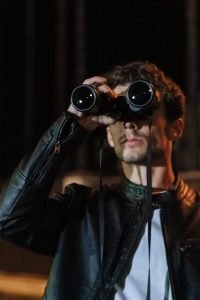
Have you ever wondered how police officers keep a close eye on suspects without being noticed? The secret often lies in the powerful binoculars they use for surveillance.
If you want to understand what tools make their work effective and how these binoculars help them see details from a distance, you’re in the right place. By the end of this article, you’ll know exactly what kind of binoculars police rely on and why these choices matter.
Keep reading to uncover the gear behind the scenes of law enforcement’s watchful eyes.
Credit: gtguardhunt.com
Types Of Binoculars For Surveillance
Police officers use different binoculars for surveillance. These tools help them see clearly from a distance. The type of binocular depends on the mission.
Understanding the types can explain why police choose one over another. Each type has special features for certain conditions.
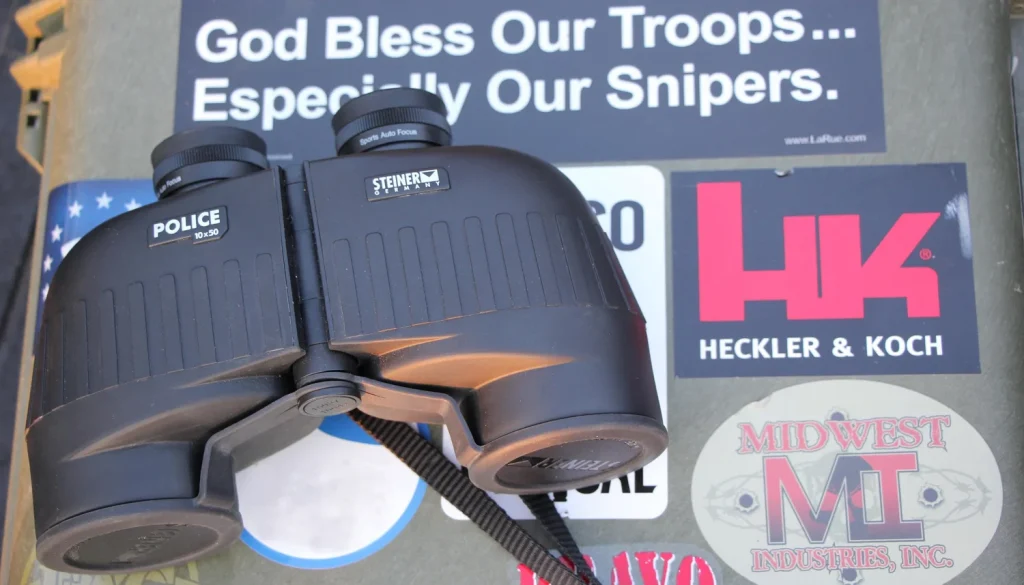
Standard Vs. Tactical Binoculars
Standard binoculars are simple and good for general use. Tactical binoculars have extra features like better grip and durability.
- Standard binoculars:Lightweight and easy to carry.
- Tactical binoculars:Made for rough use and harsh weather.
- Durability:Tactical types resist water and shocks better.
- Magnification:Tactical often have higher magnification.
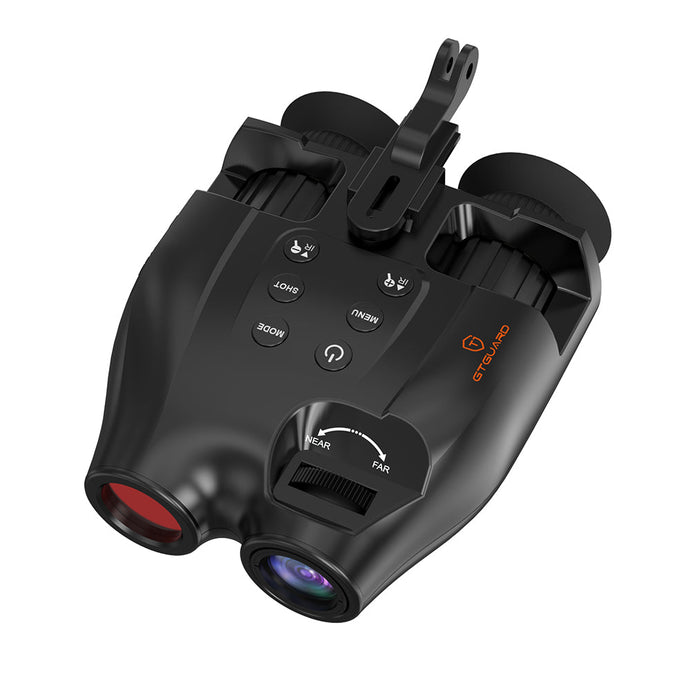
Night Vision Binoculars
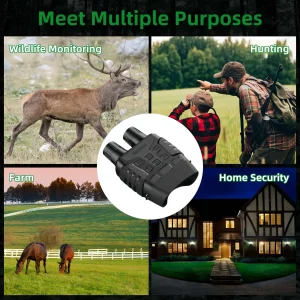
Night vision binoculars let police see in the dark. They use infrared technology to show images at night.
| Feature | Description |
| Light Amplification | Brightens low light scenes |
| Infrared Illumination | Shows images without visible light |
| Use | Night patrols and covert missions |
| Limitations | Less effective in total darkness without IR |
Rangefinder Binoculars
Rangefinder binoculars measure the distance to a target. Police use them to plan movement and keep safe distances.
These binoculars combine optics with laser technology. They show distance in meters or yards quickly.
- Measure distance to objects
- Help in tactical planning
- Provide accurate targeting information
- Useful in open areas and large events

Credit: www.ebay.com
Key Features For Police Use
Police officers use binoculars to observe from a distance. These tools help in gathering information without being noticed. The right binoculars have special features for police work.
This article covers important features of binoculars used by police. Each feature helps officers perform better in different conditions.
Magnification And Lens Size
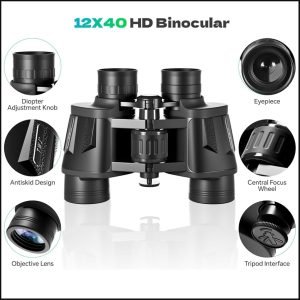
Magnification lets police see far objects clearly. Lens size controls how much light enters. Bigger lenses give brighter images.
| Feature | Description |
| Magnification | Usually 8x to 12x for clear distant views |
| Lens Diameter | 40mm to 50mm for bright, sharp images |
| Field of View | Wide enough to track moving targets |
Durability And Weather Resistance
Police binoculars must be strong and ready for rough use. They often work in rain, dust, and cold. Water and fog proof models are common.
- Rubber coating to protect from shocks
- Sealed to keep out dust and water
- Fog proof for clear views in humid areas
- Lightweight for easy carrying
Image Stabilization
Image stabilization helps keep views steady. This is key when using high magnification. It reduces shaking from hand movements.
Some police binoculars have built-in systems. These allow clear observation over long periods.
Low Light Performance
Many police tasks happen at dawn or night. Binoculars with good low light ability help see in dark places.
- Large lenses gather more light
- Special coatings improve brightness
- Night vision models enhance visibility
Popular Binocular Models In Law Enforcement
Police officers use binoculars to see far objects clearly during surveillance. These tools help in tracking suspects and gathering information without being noticed.
Many brands offer models suited for law enforcement. These binoculars vary in size, zoom, and durability. Choosing the right model depends on the mission needs.
Top Brands Used By Police
Several brands stand out for producing binoculars trusted by police forces. These brands focus on durability and optical quality to meet law enforcement needs.
- Nikon: Known for clear lenses and solid build.
- Zeiss: Offers sharp images and long-lasting designs.
- Leica: Provides bright views with lightweight frames.
- Swarovski: High-end optics with excellent zoom.
- Bushnell: Affordable options with reliable features.
Model Comparisons
| Model | Magnification | Objective Lens Size (mm) | Weight (oz) | Waterproof |
| Nikon Monarch 5 | 10x | 42 | 17.6 | Yes |
| Zeiss Conquest HD | 10x | 42 | 21.2 | Yes |
| Leica Ultravid 8×42 | 8x | 42 | 23.3 | Yes |
| Swarovski SLC 10×42 | 10x | 42 | 27.2 | Yes |
| Bushnell Legend Ultra HD | 10x | 42 | 21.3 | Yes |
Price Vs. Performance
Price affects the features and durability of binoculars. Higher price often means better lens quality and build. Police choose models that balance cost and use.
- Budget models offer good optics but may lack ruggedness.
- Mid-range binoculars provide clear views and strong bodies.
- High-end models excel in low light and sharpness.
- Durability and waterproofing matter for outdoor work.
- Police focus on features that improve mission success.
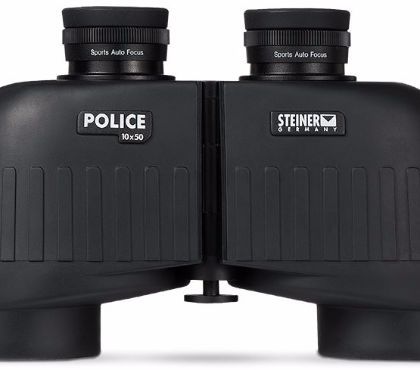
Credit: www.police1.com
Specialized Equipment For Surveillance
Police use special binoculars to watch people without being seen. These tools help officers see clearly in different situations.
Good binoculars make it easier to gather information safely. Police pick binoculars based on the task and environment.
Thermal Imaging Binoculars
Thermal binoculars detect heat from people or animals. They work well at night or in foggy weather.
These binoculars show heat as bright colors on a screen. Police can spot hidden suspects by their body heat.
- Detect heat through darkness or smoke
- Useful in night surveillance operations
- Help locate people hiding in bushes or buildings
Digital Binoculars With Recording
Digital binoculars show a clear image on a screen. They can also record videos and take photos of what officers see.
Recorded footage helps review important details later. It can also serve as evidence in court.
- High-quality video and image capture
- Easy to save and share recordings
- Zoom features for close-up views
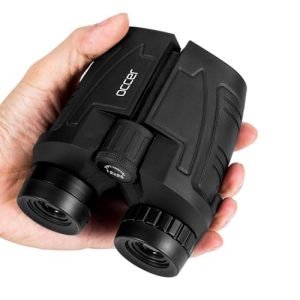
Compact And Lightweight Options
Police often need binoculars that are easy to carry. Compact models are small and light for quick use.
These binoculars help officers move fast without heavy gear. They still provide clear vision and good zoom.
- Fits easily in a pocket or small bag
- Good for quick, short surveillance tasks
- Less tiring to hold for long periods
How Police Choose Binoculars
Police use binoculars to watch people from a distance. They need the right tools to see clearly and stay safe.
Choosing binoculars depends on many things. Officers pick binoculars based on what their job needs.
Mission Requirements
Police must know what they will do with the binoculars. Some missions need seeing far away. Others need clear views at night.
Binoculars with good zoom and night vision help in many cases. Officers look for features that fit their tasks.
- Long-distance viewing for outdoor surveillance
- Compact design for quick use
- Night vision for low light conditions
- Durable build for harsh environments
Budget Constraints
Police departments have limits on how much they can spend. They must find binoculars that work well and cost less.
Officers balance price and quality. Cheaper binoculars may lack features, while expensive ones might be too costly.
- Look for good quality at a fair price
- Consider long-term use and durability
- Check for warranty and support
- Compare brands and reviews
Training And Usability
Police officers need binoculars that are easy to use. Training time must be short so officers can use them quickly.
Simple controls and clear images make binoculars better for police work. Lightweight models reduce fatigue during long use.
- Easy focus and zoom controls
- Comfortable to hold for hours
- Clear and sharp images
- Simple to maintain and clean
Maintenance And Care Tips
Police binoculars need good care to work well during surveillance. Regular maintenance keeps them clear and reliable.
Proper cleaning, storage, and inspections help extend the life of these important tools.
Cleaning Lenses
Clean lenses improve visibility and image clarity. Use soft cloths to avoid scratches.
Remove dust and smudges gently with a lens cleaning solution made for optics.
- Use a blower brush to remove loose dust
- Apply lens cleaner to a microfiber cloth, not directly on lenses
- Wipe lenses in circular motions
- Do not use paper towels or rough fabrics
Storage Solutions
Proper storage protects binoculars from damage and dust. Keep them in a dry, cool place.
Use padded cases to prevent bumps and drops. Store binoculars with lens caps on.
- Keep binoculars in a protective case
- Avoid direct sunlight or extreme heat
- Store in a place free from moisture
- Remove batteries if not used for long
Regular Inspections
Check binoculars often to find problems early. Look for loose parts and lens damage.
Make sure all adjustments work smoothly. Fix small issues before they get worse.
- Test focus and zoom mechanisms
- Inspect lens coatings for scratches
- Check for moisture inside lenses
- Ensure straps and mounts are secure
Frequently Asked Questions
What Types Of Binoculars Do Police Prefer For Surveillance?
Police often use compact, high-powered binoculars with night vision or thermal imaging. These models offer clear, long-distance views and work well in low light conditions, enhancing surveillance effectiveness.
Why Do Police Choose Night Vision Binoculars?
Night vision binoculars allow officers to see clearly in darkness. This technology helps detect suspects and monitor activities during nighttime operations without revealing their position.
Are Thermal Binoculars Useful For Police Surveillance?
Yes, thermal binoculars detect heat signatures, making them valuable in various conditions. They help police spot hidden or camouflaged individuals in complete darkness or dense foliage.
How Important Is Magnification In Police Binoculars?
High magnification is crucial for detailed observation from a distance. Police binoculars typically range from 8x to 12x magnification, balancing clarity and stability during surveillance.
Conclusion
Police use binoculars that offer clear, close views for surveillance. These tools help officers watch from a distance without being seen. Quality, durability, and night vision are key features they need. Such binoculars support safety and effective observation during investigations.
Choosing the right binoculars is important for successful police work. Good equipment makes a big difference in gathering information quietly. This shows why specific binoculars are essential for law enforcement.