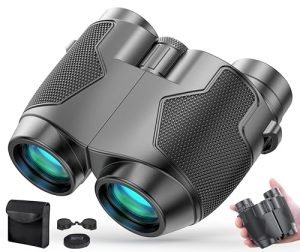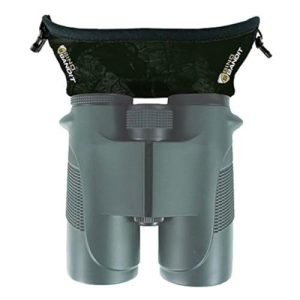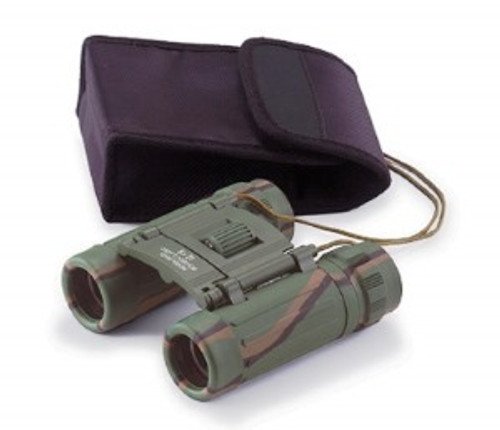
When you’re out in the harsh desert, every detail counts. Spotting movement from miles away can be the difference between success and failure.
That’s why choosing the right binoculars for desert warfare isn’t just about magnification—it’s about reliability, clarity, and durability under extreme conditions. If you want to know which binoculars can give you the edge in scorching heat and endless sand, keep reading.
This guide will help you find the perfect pair to enhance your vision and keep you one step ahead in the desert.
Key Features For Desert Binoculars
Binoculars used in desert warfare need special features. The harsh desert environment demands tools that can survive tough conditions.
These binoculars help soldiers see far distances clearly and stay alert. They must be strong, clear, and easy to carry.
Durability And Build Quality
Desert binoculars must be built to last in rough conditions. They face sand, heat, and sudden impacts.
Strong materials like rubber armor and metal frames protect them from damage. This keeps them working after heavy use.
- Rubber coating for shock absorption
- Metal or reinforced plastic frames
- Sealed parts to keep out dust and sand
- Scratch-resistant lens covers
Optical Clarity And Magnification
Clear vision is critical in the desert. Binoculars must show sharp images at long distances.
High-quality lenses and good magnification help spot targets early. Usually, 7x to 10x magnification is best.
- High-definition glass lenses
- Multi-coated optics to reduce glare
- Wide field of view for better scanning
- Magnification between 7x and 10x
Weather Resistance
Desert weather can be extreme. Binoculars must resist heat, sand, and sudden rain.
Waterproof and fog-proof features keep lenses clear. Dustproof seals prevent sand entry.
- Waterproof to protect internal parts
- Fog-proof with nitrogen or argon gas
- Dustproof sealing for desert sand
- Heat-resistant materials
Lightweight Design
Soldiers carry many tools. Binoculars must be light to avoid extra weight.
Compact and light binoculars reduce fatigue. They are easier to hold steady for a long time.
- Lightweight materials like magnesium alloy
- Compact size for easy carrying
- Ergonomic design for comfortable grip
- Balanced weight to reduce arm strain
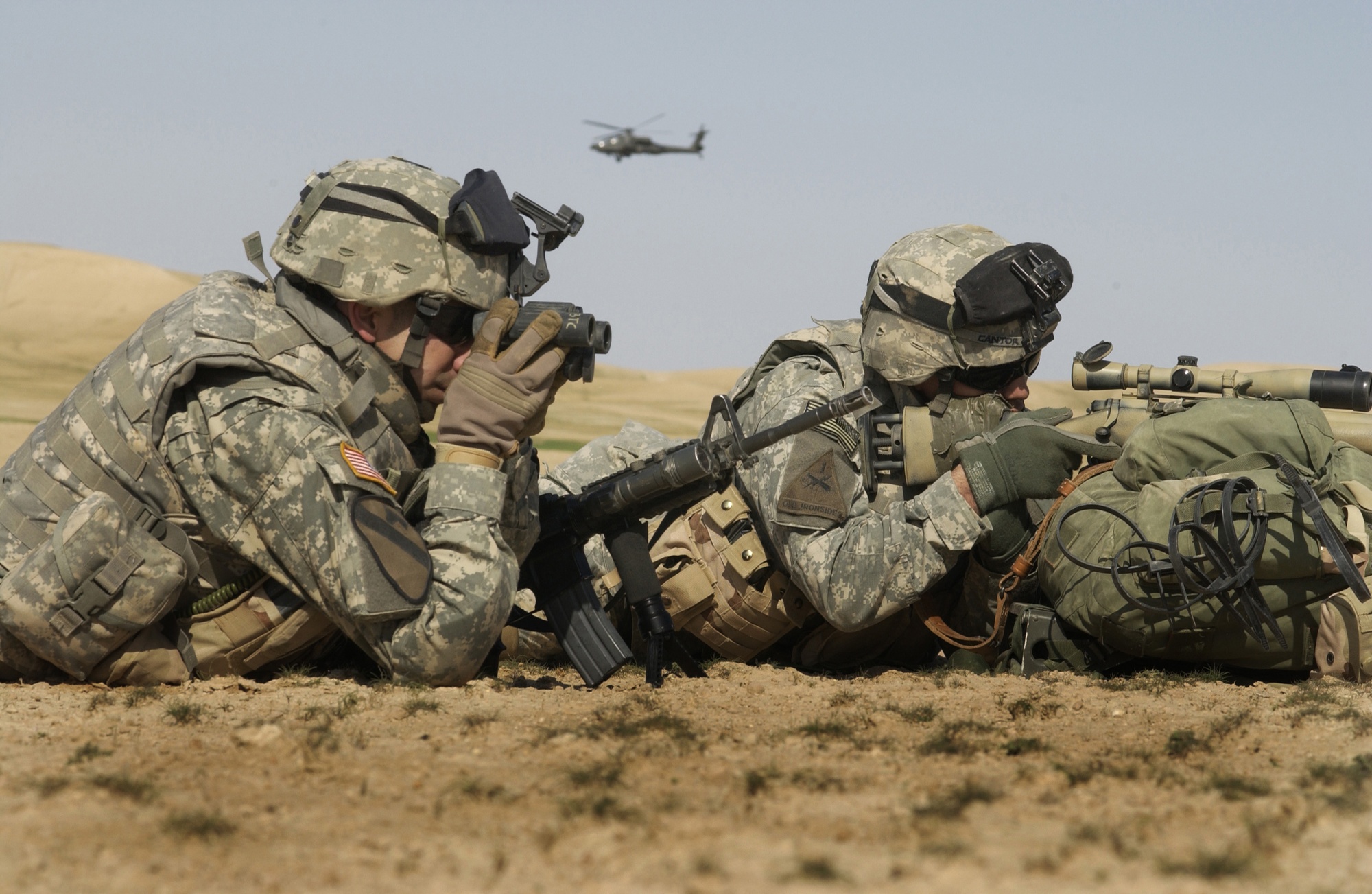
Credit: www.dvidshub.net
Top Binocular Models For Desert Warfare
Binoculars are important tools in desert warfare. They help soldiers see far and stay safe.
Different types of binoculars suit different needs in the desert. Some focus on power, size, or special features.
High-powered Military Binoculars
High-powered binoculars give clear views over long distances. They are good for spotting enemies far away.
These binoculars often have strong lenses and good zoom. They work well in bright desert sunlight.
- Offer magnification of 10x or more
- Have large objective lenses for bright images
- Durable and weather-resistant for desert heat
Compact And Tactical Options
Compact binoculars are easy to carry. Soldiers can use them quickly without heavy gear.
Tactical models often have features like waterproofing and shock resistance. They fit well in small packs.
- Lightweight and portable
- Simple design for fast use
- Strong build to handle rough desert conditions
Night Vision Binoculars
Night vision binoculars let soldiers see in low light or darkness. They help with night patrols.
These binoculars use infrared to show images at night. They improve safety and awareness after sunset.
- Work well in complete darkness
- Help spot movement and heat signatures
- Important for desert night operations
Rangefinder Binoculars
Rangefinder binoculars measure distances accurately. Soldiers can plan moves and target better.
They combine normal viewing with laser rangefinding. This helps in open desert terrain for precision.
- Provide distance data quickly
- Useful for artillery and snipers
- Help avoid dangers by knowing exact ranges
Choosing Binoculars For Desert Conditions
Desert warfare requires binoculars that can handle tough conditions. The heat, sand, and bright sunlight all affect performance.
Choosing the right binoculars means thinking about durability, visibility, and ease of use. This guide covers key points to consider.
Handling Heat And Sand
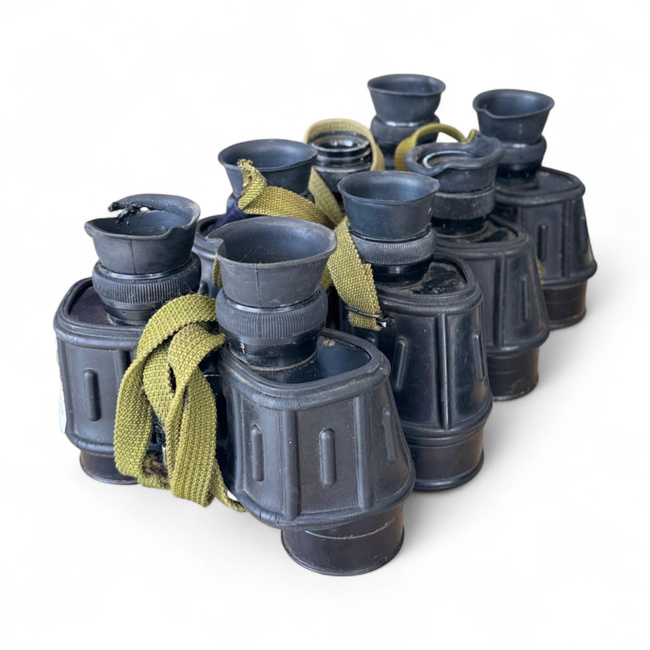
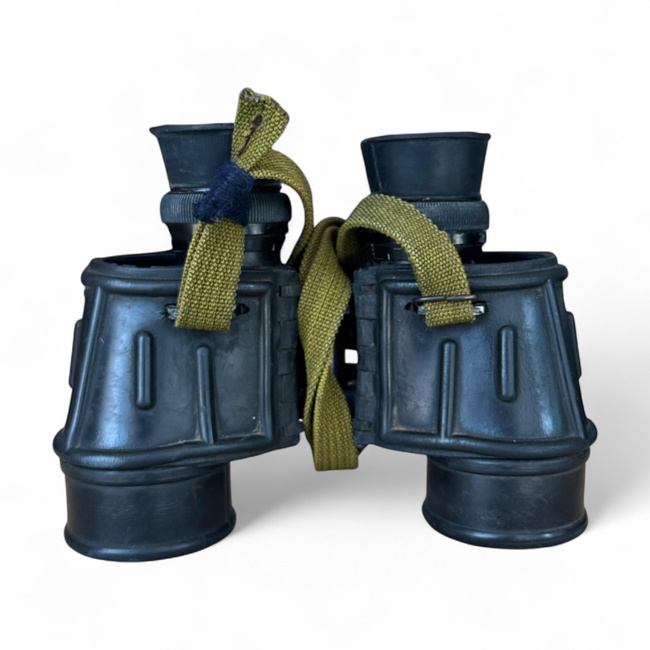
Binoculars used in deserts must resist heat and sand. Look for models with sealed and fog-proof designs. Rubber armor helps protect against drops and dust.
- Waterproof and dustproof sealing
- Rubber coating for extra grip and protection
- Strong materials like polycarbonate or metal
- Easy to clean lenses with protective coatings
Adjusting For Bright Sunlight
Bright sunlight can cause glare and reduce clarity. Choose binoculars with good lens coatings to reduce reflections. Some models come with adjustable eyecups to help block stray light.
| Feature | Benefit |
| Anti-reflective lens coatings | Clearer images in bright light |
| Adjustable eye relief | Comfort and better sun protection |
| Sunshields or lens covers | Reduce glare when not in use |
Balancing Size And Performance
Binoculars must be easy to carry but powerful enough for long-distance viewing. Larger lenses gather more light but weigh more. Compact models are lighter but may lose some clarity.
- Choose lens size based on mission length and distance
- Look for lightweight materials to reduce fatigue
- Consider folding or compact designs for easy storage
Battery Life And Power Options
Some binoculars have built-in digital features like range finders or night vision. These need power sources that last long in the field. Check battery type and availability before choosing.
| Power Type | Pros | Cons |
| Disposable batteries | Easy to replace in the field | Can run out quickly |
| Rechargeable batteries | Cost-effective over time | Need charging equipment |
| Solar-powered | Extended use without charging | Depend on sunlight availability |
Credit: www.militarysurplus.eu
Maintenance Tips For Desert Binoculars
Binoculars used in desert warfare face harsh conditions like sand, dust, and heat. Proper care helps keep them working well.
Regular maintenance extends the life of binoculars and ensures clear vision in tough environments.
Cleaning Lenses And Body
Clean lenses gently to avoid scratches. Use a soft brush or air blower to remove loose dust first.
Wipe lenses with a microfiber cloth and special lens cleaner. Clean the binocular body with a damp cloth.
- Use a soft brush or air blower for dust
- Apply lens cleaner on a microfiber cloth, not directly on lenses
- Wipe the body with a damp cloth, avoid soaking
- Do not use harsh chemicals or rough materials
Protecting Against Sand Damage
Sand can scratch lenses and block moving parts. Keep binoculars covered when not in use.
Use lens caps and a protective case. Avoid changing lenses or adjusting parts in windy, sandy areas.
- Always use lens caps
- Store binoculars in a sealed case
- Do not open or adjust in strong winds
- Clean off sand immediately if it gets on binoculars
Storage Recommendations
Store binoculars in a cool, dry place to avoid moisture damage. Keep them away from direct sunlight.
Use silica gel packs in the case to reduce humidity. Store binoculars with lens caps on.
- Keep binoculars in a padded, airtight case
- Use silica gel packs to absorb moisture
- Avoid storing in hot or humid places
- Keep lens caps on during storage
Regular Performance Checks
Check binoculars regularly to ensure clear vision and smooth movement. Look for loose parts or fogging.
Adjust focus and alignment often. Test binoculars in different light to confirm lens clarity.
- Check for loose or damaged parts
- Test focus and zoom functions
- Look for fogging inside lenses
- Clean and adjust as needed
Expert Recommendations And Brands
Binoculars are essential tools in desert warfare. They help soldiers see far distances clearly. The desert’s bright light and heat need special binoculars.
Experts choose binoculars that are tough, clear, and easy to use. Brands with a strong military history often lead in quality.
Trusted Military Brands
Military forces use binoculars from brands known for durability and clear optics. These brands design products to handle rough desert conditions.
- Zeiss: Known for sharp images and rugged build.
- Leica: Offers high precision and strong lenses.
- Steiner: Produces waterproof and shockproof models.
- Bushnell: Trusted for reliable and clear optics.
Popular Civilian Models Used By Experts
Civilian binoculars are often used by desert experts for training and observation. They balance quality and price well.
- Nikon Monarch 5: Offers clear views and good light transmission.
- Vortex Diamondback: Known for durability and sharp focus.
- Celestron Outland: Lightweight and easy to carry.
- Barska Gladiator: Good for bright desert environments.
Innovations In Desert Optics
New technology improves binoculars for desert use. These include better coatings and heat resistance.
- Anti-reflective coatings reduce glare from the sun.
- Fog-proof designs keep lenses clear in hot conditions.
- Lightweight materials help with long missions.
- Improved zoom allows clear images at long distances.
Budget-friendly Options
Good binoculars do not always cost a lot. Some budget models offer solid performance in desert use.
- Aurosports 10×42: Affordable with clear images.
- Gosky 12×50: Offers strong zoom and good clarity.
- Orion Scenix 10×50: Lightweight and easy to handle.
- Simfer 10×42: Durable with decent image quality.
Credit: www.militarysurplus.eu
Frequently Asked Questions
What Features Make Binoculars Suitable For Desert Warfare?
Binoculars for desert warfare must be lightweight, durable, and weather-resistant. They need anti-glare coatings and long-range clarity to handle bright, dusty conditions effectively.
Which Magnification Is Ideal For Desert Warfare Binoculars?
A magnification of 7x to 10x is ideal. It balances a wide field of view with detailed observation over long desert distances.
Are Night Vision Binoculars Useful In Desert Combat?
Yes, night vision binoculars are crucial. They enhance visibility during low-light desert operations, improving safety and target detection.
How Do Desert Conditions Affect Binocular Performance?
Sand, dust, and heat can damage optics. High-quality seals and protective coatings prevent internal fogging and abrasion in harsh desert environments.
Conclusion
Desert warfare demands binoculars that are tough and clear. Soldiers need lenses that work well in bright sunlight and heat. Lightweight and durable designs help troops move fast. Good binoculars show details from far away, even in dusty conditions. Choosing the right pair can improve safety and mission success.
Simple features often make the biggest difference in the desert. Binoculars built for these challenges support soldiers every step of the way.