When lives are at stake on the open sea, every tool the Coast Guard uses matters—especially their binoculars. Have you ever wondered what makes the binoculars used by Coast Guard rescue teams so special?
If you want to know how these powerful devices help spot danger from miles away and save lives, you’re in the right place. Keep reading to discover the exact features and models that make these binoculars trusted by rescue professionals—and how understanding them could change the way you see the world around you.
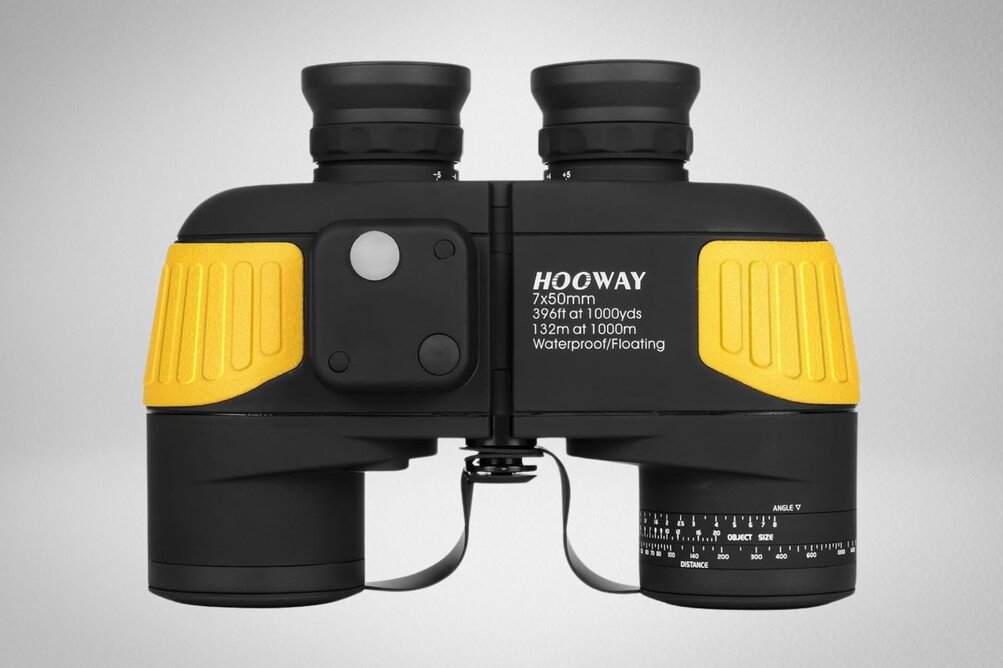
Credit: www.boatsailmag.com
Coast Guard Rescue Needs
The Coast Guard uses binoculars to spot and track people in danger at sea. These tools must meet high standards. They help rescuers work safely and quickly.
Binoculars for the Coast Guard must be strong, clear, and easy to use. They are key in saving lives during rescue missions.
Key Mission Requirements
Rescue binoculars must have sharp image quality and long range. They should be light to carry and easy to focus. Durability is important for rough conditions.
- High magnification and clear lenses
- Waterproof and shockproof design
- Wide field of view for quick scanning
- Fog-resistant coatings
- Comfortable grip for long use
Environmental Challenges
The Coast Guard works in tough weather. Saltwater, rain, and wind can damage equipment. Binoculars must resist these elements to stay reliable.
| Challenge | Binocular Feature Needed |
| Saltwater exposure | Corrosion-resistant materials |
| Heavy rain | Waterproof seals |
| Cold temperatures | Anti-fog lenses |
| Strong sunlight | UV protection |
Operational Scenarios
Binoculars are used during search missions, rescue at sea, and surveillance. They help spot boats, people, and hazards from a distance.
- Locating stranded swimmers or boaters
- Watching for debris or obstacles
- Assisting navigation in poor visibility
- Coordinating with rescue teams
Essential Features Of Rescue Binoculars
Coast Guard rescue teams use special binoculars designed for tough conditions. These binoculars help them see far and clearly during search missions.
The right binoculars improve safety and success in rescue operations. They have features that support visibility, durability, and comfort.
Magnification And Lens Size
Magnification shows how much closer objects appear. Coast Guard binoculars usually have 7x to 10x magnification.
Larger lens size lets in more light. This helps to see clearly, especially at long distances or low light.
- 7x to 10x magnification for clear, distant views
- Lens diameter between 40mm and 50mm for good light intake
- Balanced magnification to avoid shaky images
Durability And Waterproofing
Rescue binoculars must resist water, dust, and shocks. Coast Guard binoculars are waterproof and rugged.
This durability ensures they work well in storms, rough seas, and harsh weather conditions.
- Waterproof to keep lenses dry
- Shockproof to survive drops and impacts
- Fog proof to prevent inside lens fogging
Night Vision And Low Light Performance
Rescue missions often happen at night or in low light. Binoculars with good light gathering help in these conditions.
Some models include night vision or use special coatings to improve image brightness.
- Night vision to see in dark environments
- High-quality lens coatings for brightness
- Wide lenses to capture more light
Weight And Ergonomics
Rescue workers carry binoculars for hours. Lightweight models reduce fatigue and improve handling.
Ergonomic designs include comfortable grips and easy focus controls to use binoculars quickly.
- Lightweight for long use without strain
- Non-slip grips for secure handling
- Simple focus wheels for fast adjustments
Popular Binocular Models Used
The Coast Guard uses binoculars to spot people and boats at sea. They need clear, strong binoculars for safety work.
Different binoculars fit different budgets and needs. Some are very advanced, while others are good for everyday use.
High-end Professional Options
Professional Coast Guard teams use binoculars with strong zoom and sharp images. These binoculars work well in bad weather.
Models like the Steiner Marine 7×50 and Fujinon 7×50 are popular. They have great light clarity and tough builds.
- Steiner Marine 7×50 – waterproof and fog-proof
- Fujinon 7×50 FMTRC-SX – sharp optics with wide view
- Canon 10x30L IS WP – image stabilization for steady views
Mid-range Choices
Mid-range binoculars offer good quality for less money. They suit smaller rescue teams or backup use.
Popular mid-range models include the Nikon Monarch 7 and Vortex Diamondback. They offer clear views and are easy to carry.
- Nikon Monarch 7 8×42 – bright images and good focus
- Vortex Diamondback 10×42 – durable and waterproof
- Celestron Oceana 7×50 – wide field of view for spotting
Budget-friendly Alternatives
Budget binoculars work well for training or casual use. They have basic features and lighter build.
Models like the Bushnell H2O and Nikon Aculon A211 are affordable and reliable for simple spotting tasks.
- Bushnell H2O 7×35 – waterproof and good value
- Nikon Aculon A211 10×50 – clear images on a budget
- Olympus Trooper 10×50 – lightweight and easy to use

Credit: stockcake.com
Technological Advances In Rescue Binoculars
Coast Guard rescue teams use special binoculars to find people and objects at sea. These binoculars have new technology to help rescuers work better in tough conditions.
Technology in rescue binoculars has improved visibility, distance measurement, and night vision. These tools help the Coast Guard save lives more efficiently.
Image Stabilization
Rescue binoculars often include image stabilization. This feature reduces shaking caused by waves or movement. It helps rescuers see clear and steady images.
Image stabilization is vital during rough seas or fast boat movement. It allows the Coast Guard to spot small objects or people from far away without blurring.
Rangefinding Capabilities
Rangefinding helps measure the distance between the rescuer and the target. Modern binoculars use laser technology to calculate this distance quickly and accurately.
- Laser rangefinding gives exact distance readings.
- It helps plan rescue routes safely.
- Range data supports communication with rescue teams.
Thermal Imaging Integration
Thermal imaging shows heat signatures of people and objects. Rescue binoculars with this tech work well in darkness or fog.
| Feature | Benefit |
| Detects body heat | Finds people in low visibility |
| Works in total darkness | Rescue at night or in storms |
| Highlights warm objects | Improves target identification |
Maintenance And Care Tips
Coast Guard rescue teams rely on binoculars for clear vision in tough situations. Keeping binoculars clean and well cared for helps them work well every time.
Regular maintenance extends the life of binoculars. It also ensures that images stay sharp and bright during missions.
Cleaning And Storage
Keep binocular lenses clean to avoid blurry views. Use a soft cloth made for lenses to gently wipe dirt and dust away.
Store binoculars in a dry place with a protective case. This prevents damage from moisture and dust.
- Use a lens brush or blower to remove loose dust
- Clean lenses with a microfiber cloth only
- Do not use rough materials or household cleaners
- Keep binoculars in a padded case when not in use
- Store in a cool, dry environment
Regular Inspection
Check binoculars often for damage or wear. Look for cracks, loose parts, or fog inside the lenses.
Fix small problems early to avoid bigger issues later. Tighten screws and clean moving parts regularly.
- Inspect lens coatings for scratches or peeling
- Test focus and adjustment knobs for smooth movement
- Check for moisture or fog inside lenses
- Look over straps and attachments for wear
- Replace damaged parts promptly
Handling In Harsh Conditions
Coast Guard binoculars face saltwater, wind, and rain. Handle them carefully to prevent corrosion and damage.
Rinse binoculars with fresh water after exposure to salt or dirt. Dry them fully before storage.
- Avoid dropping or banging binoculars on hard surfaces
- Wear gloves to keep grip secure in wet weather
- Rinse binoculars with fresh water after saltwater exposure
- Dry with a soft cloth before putting away
- Use waterproof covers when in heavy rain

Credit: www.shutterstock.com
Training For Effective Use
Coast Guard rescue teams rely on binoculars to spot people and objects from far away. Proper training helps them use these tools well. This training improves their skills in different rescue situations.
Training focuses on handling binoculars, identifying targets, and working with rescue teams. These skills help rescuers act fast and save lives.
Basic Handling Skills
Rescue workers learn how to hold and adjust binoculars correctly. This includes focusing lenses and using straps for safety. They practice steady movements to keep clear views.
Good handling reduces eye strain and prevents damage to the binoculars. It also helps rescuers spot details quickly in tough conditions.
- Proper grip and posture
- Lens focusing and cleaning
- Using neck straps or harnesses
- Adjusting for different light levels
Target Identification
Training teaches how to recognize people, boats, or objects from a distance. Rescuers learn to spot signs like movement or colors that stand out.
They practice distinguishing between real targets and false alarms. This skill helps save time and focus on actual emergencies.
- Recognize human shapes and colors
- Detect signals like flags or lights
- Identify boats and floating debris
- Avoid confusing background objects
Coordination With Rescue Teams
Binocular users learn to share information clearly with other team members. They use radios and hand signals to report what they see.
This coordination helps teams plan quick and safe rescue actions. Clear communication reduces mistakes and improves rescue success.
- Use standard communication codes
- Report exact locations and conditions
- Work closely with boat and air crews
- Update teams on changing situations
Frequently Asked Questions
What Type Of Binoculars Does The Coast Guard Use?
The Coast Guard uses rugged, waterproof, and high-magnification binoculars. These binoculars offer clear vision in harsh marine environments, aiding in search and rescue operations.
Why Are Waterproof Binoculars Essential For Coast Guard Rescue?
Waterproof binoculars prevent damage from water exposure. They ensure reliable performance during storms, heavy rain, and splashes, which are common in rescue missions.
How Do Coast Guard Binoculars Enhance Rescue Missions?
High-quality binoculars provide enhanced visibility over long distances. This helps locate distressed vessels or individuals quickly, improving response time and mission success.
What Magnification Do Coast Guard Binoculars Typically Have?
Coast Guard binoculars usually have magnifications between 7x and 10x. This range balances clear detail and a wide field of view, ideal for maritime surveillance.
Conclusion
Coast Guard rescue teams need binoculars that are strong and clear. They use models with good zoom and night vision. These tools help spot people and boats far away. Clear vision can save lives during emergencies at sea. Choosing the right binoculars matters for safety and success.
Rescue teams rely on quality gear every day. This shows how important good binoculars are in rescue work.