When you’re out there on a search and rescue mission, every second counts. Having the right binoculars can make all the difference between spotting someone in need and missing crucial details.
But with so many options available, how do you choose binoculars that truly meet the demands of SAR divers like you? You’ll discover exactly what features to look for and which binoculars stand out for their clarity, durability, and performance in challenging conditions.
Ready to upgrade your gear and improve your effectiveness? Keep reading to find the perfect pair for your next mission.

Credit: gearjunkie.com
Key Features For Sar Binoculars
Search and Rescue (SAR) binoculars must meet tough demands. They help rescuers spot people and objects fast and clearly.
Choosing the right binoculars means looking at key features that aid in tough environments and difficult conditions.
Durability And Waterproofing
SAR binoculars must be strong and able to work in wet conditions. They often face rough handling and bad weather.
- Rubber armor for shock resistance
- Waterproof seals to prevent leaks
- Fog-proof inside lenses
- Corrosion-resistant materials
Magnification And Field Of View
Good magnification helps see distant objects clearly. A wide field of view lets you scan large areas quickly.
| Magnification | Field of View | Use Case |
|---|---|---|
| 7x to 10x | Wide (300-400 ft @ 1000 yds) | General SAR spotting |
| 12x or higher | Narrower | Long-range details |
Low-light Performance
SAR missions often occur at dawn, dusk, or night. Binoculars must gather enough light to see in dark settings.
Look for wide lenses and coatings that improve brightness and reduce glare.
Ergonomics And Weight
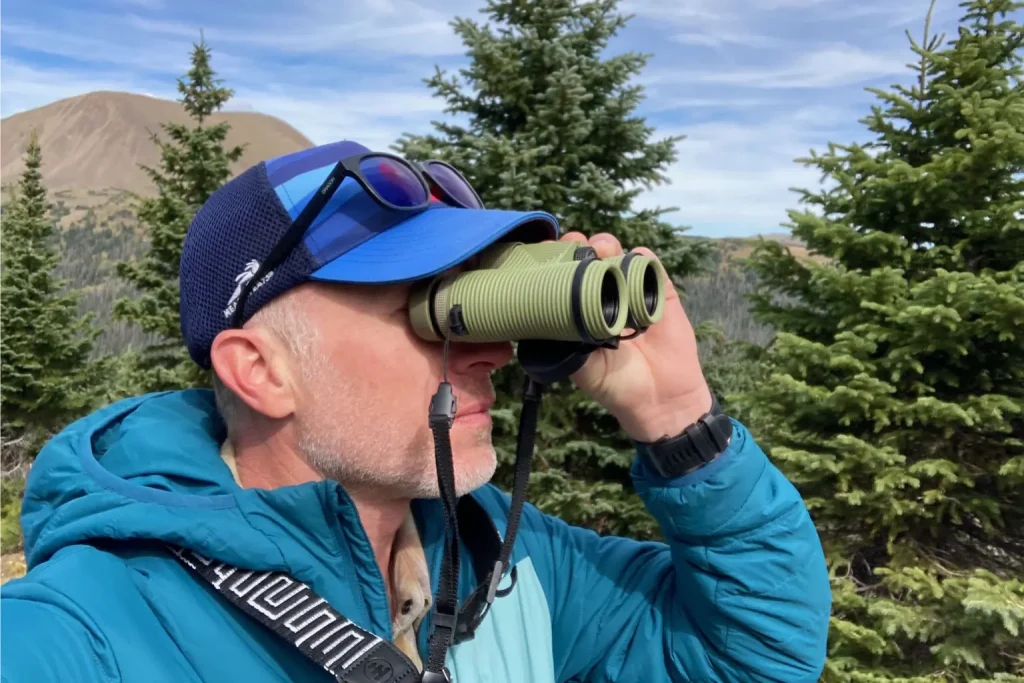
Lightweight binoculars reduce fatigue during long searches. Comfort grips and easy focus controls improve handling.
- Non-slip rubber grips
- Compact design for easy carrying
- Simple and fast focusing mechanisms
Rangefinding And Gps Integration
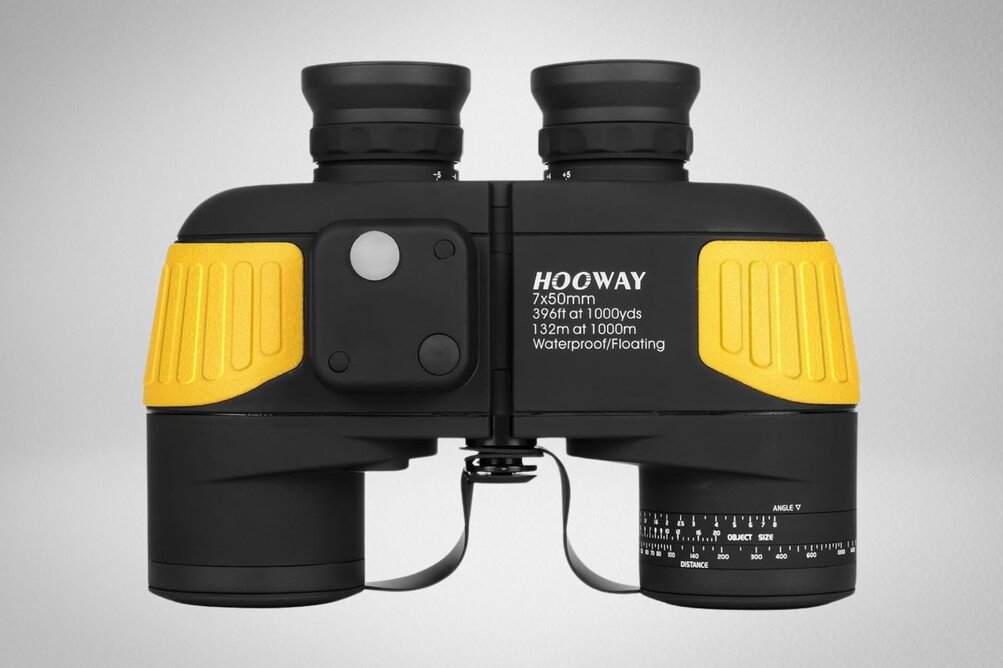
Some SAR binoculars include rangefinders to measure distance quickly. GPS helps record exact locations of sightings.
| Feature | Benefit |
|---|---|
| Rangefinder | Quick distance measurement to target |
| GPS Integration | Pinpoints location for rescue teams |
Credit: www.boatsailmag.com
Top Binoculars For Rescue Missions
Search and rescue (SAR) teams need reliable binoculars. These tools help find people fast and clearly.
Choosing the right binoculars depends on the mission. Some need durability, others need light weight.
Best Overall Sar Binoculars
These binoculars balance quality, durability, and cost. They provide clear images in tough conditions.
- Waterproof and fog proof to work in any weather
- Strong grip and shock resistant
- Good light gathering for night use
- Wide field of view to scan large areas
Budget-friendly Options
Affordable binoculars can still help on rescue missions. They offer basic features and decent optics.
| Model | Magnification | Weight | Price Range |
| RescueView 8×42 | 8x | 650g | Low |
| ClearSight 10×50 | 10x | 780g | Low |
| FieldPro 7×35 | 7x | 540g | Low |
High-end Professional Models
These binoculars offer top clarity and advanced features. They suit long hours and difficult terrain.
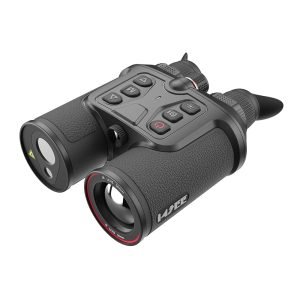
- Night vision and image stabilization
- Extra-wide field of view
- Rugged body with weather sealing
- Long battery life for electronic features
Compact And Lightweight Choices
Compact binoculars are easy to carry. They are good for quick moves and aerial rescues.
- Small size fits in pockets or packs
- Lightweight for less fatigue
- Still offer clear images and good zoom
- Durable enough for rough use
Specialized Binoculars For Different Environments
SAR divers use binoculars to spot people and objects from far away. Different places need different binocular types. Choosing the right one helps rescue teams work better and safer.
Special features fit the needs of each environment. This guide explains binoculars for marine, mountain, and urban rescue zones.
Marine And Coastal Rescue
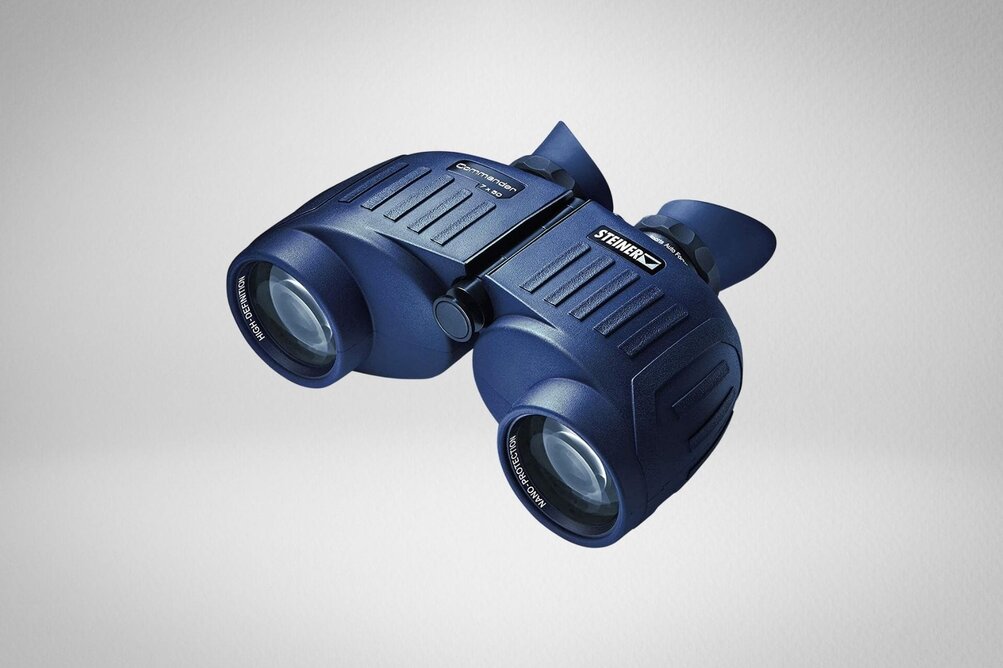
Marine binoculars help divers see through water spray and bright sunlight. They often have waterproof bodies and anti-fog lenses. These features keep the view clear in tough weather.
Wide lenses let rescuers scan large sea areas quickly. Bright coatings improve vision in low light like dawn or dusk.
- Waterproof and fog-proof design
- Wide field of view for scanning
- Strong lens coatings for glare reduction
- Durable and salt-resistant materials
Mountain And Wilderness Search
Binoculars for mountains must be tough and light. Rescuers carry them for hours while hiking. Clear, sharp images help spot lost people in forests or rocky areas.
Good binoculars have waterproof bodies and lens covers. Adjustable focus helps see objects at different distances quickly.
- Lightweight and rugged design
- Water-resistant with protective lens covers
- Good close and long-distance focus
- Anti-reflective lenses for clear images
Urban And Disaster Zones
Urban rescue needs binoculars that work in tight spaces and low light. Clear images help find people in rubble or crowded places. Compact size makes them easy to carry.
Binoculars with strong zoom and sharp views help spot details like signs or signals. They should be easy to use fast and hold steady.
- Compact and easy to carry
- Strong zoom for detailed views
- Wide field of view for quick scanning
- Stable grip for steady use
Credit: www.boatsailmag.com
Maintenance Tips For Sar Binoculars
Search and Rescue (SAR) binoculars must stay reliable in tough conditions. Proper maintenance keeps them working well.
Use simple care methods to clean, store, and handle SAR binoculars. This guide helps you maintain their quality.
Cleaning And Storage
Clean lenses gently with a soft cloth. Avoid harsh chemicals that can damage coatings. Store binoculars in a dry, cool place.
- Use a lens brush or blower to remove dust.
- Apply lens cleaner to cloth, not directly on lenses.
- Store in a padded case to prevent scratches.
- Keep silica gel packs with binoculars to absorb moisture.
Handling And Transport
Handle SAR binoculars with care to avoid drops and damage. Use straps and cases designed for rough use.
| Tip | Reason |
| Use a neck strap | Keeps binoculars secure during movement |
| Carry in a hard case | Protects from impacts and weather |
| Avoid touching lenses | Prevents smudges and scratches |
| Check for loose parts | Ensures binoculars stay aligned and functional |
Battery Care For Electronic Features
Many SAR binoculars have electronic features. Proper battery care extends device life and reliability.
- Remove batteries if binoculars will not be used for a long time.
- Use recommended battery types only.
- Store batteries in a cool, dry place.
- Check battery contacts for corrosion and clean if needed.
- Charge rechargeable batteries fully before storage.
Frequently Asked Questions
What Features Make Binoculars Ideal For Sar Divers?
SAR divers need binoculars with waterproofing, fog resistance, and strong magnification. Durability and clear optics are essential for underwater and rough conditions.
How Important Is Magnification For Sar Diver Binoculars?
Magnification around 7x to 10x balances clarity and stability. Higher magnification may cause image shake, hindering quick target identification during rescue.
Are Waterproof Binoculars Necessary For Sar Divers?
Yes, waterproof binoculars are critical. They protect internal lenses from water damage and ensure clear vision in wet and marine environments.
What Size Binoculars Suit Sar Divers Best?
Compact and lightweight binoculars are preferred for easy handling. They offer portability without sacrificing optical quality during extended search operations.
Conclusion
Choosing the right binoculars enhances your SAR diving experience. Quality optics ensure clear underwater views. Lightweight models offer comfort during long dives. Waterproof and durable designs withstand harsh conditions. Adjustable focus suits various underwater environments. Night vision options aid in low-light searches.
Always consider magnification and field of view. These features make a difference in search missions. Proper care extends the life of your binoculars. Invest wisely to improve search efficiency. Trust your choice to perform well. Stay prepared for every dive.